I’m frequently asked if applying skin care products at night is more effective than during the day. Numerous studies provide evidence that if you’re applying a product that is meant to penetrate the skin, it will do so more effectively at night. The Skin’s Circadian Rhythm and Epigenetic Mechanisms are the primary underlying causes. So powerful is the circadian rhythm in humans, that certain cancer drugs working more efficaciously and with greater safety when adminstered at night versus during the day.
When night arrives, and the blue light that suppresses melatonin (a potential epigenetic regulator) is diminished, a remarkable physiological change comes over the body including the skin. Cells, such as fibroblasts in the dermis, have an intrinsic clock, as well as being controlled by systemic influences that is likely, at least partially, under the control of epigenetic mechansisms. Environmental regulators, in this case, blue light, can change the expression (not the sequence structure) of our DNA through epigenetic mechanisms. The mechanisms are the envionmental control of proteins and microRNA that interact with DNA to upregulate or downregulate gene expression, which leads to the making of our proteins and microRNA. In other words, the environmental light is turning-up or -down the expression of proteins and microRNA, which in turn regulates the physiology and anatomy of the skin leading to increased skin permeability at night. Although other studies have found variations at different skin sites, permeability of the skin increases at night for both normal skin and those with atopic dermatitis.
One of the microRNA turned-up at night is microRNA-146a. Fibroblasts are activated to release microRNA-146a during sleep, which will help to activate other cells, dramatically ramp up DNA repair, protein production, and cell division. This activity has evolved to repair the damage caused by the day’s environmental onslaught, such as UV rays and pollution, damage that can lead to chronic inflammation and visible aging.
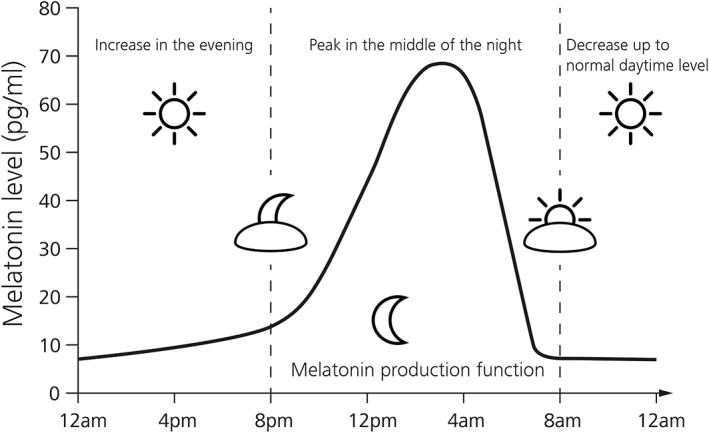
From: Wahl et al, 2019.
These intricate processes in the skin require complex coordination, a task dependent on the body and the skin’s internal clock mechanism that controls the circadian rhythm. This internal clock system leads to repair in the night hours, when UV rays and other damaging influences are absent or minimized. However this system can become dysregulated through aging, stress levels, lack of sleep, and toxins, pathogens, and allergens.
Adipose Mesenchymal Stem Cell and Fibroblast Secretome – Epigenetic Regulators
Epigenetic regulation is complex. It occurs throughout the body, including the skin. Proteins, such as SIRT1, and micoRNA, such as miR-146a, are two of the many known epigenetic regulators in the skin. Evidence (Heo and Kim, 2022) suggests that human adipose mesenchymal stem cells secrete microRNA 146a (miR-146a). This is also true of human dermal fibroblasts (Stafa et al, 2024), both of which are a part of the NeoGenesis S2RM technology used in our products, such as Recovery, Skin Serum, and Booster. In the human body, miR-146a has many functions, including control of the adaptive immune system by regulating antibody production. Adipose mesenchymal stem cells also control SIRT1 pathways. Loss of SIRT1 function in the skin has many effects, including disruption of barrier function in the epidermis. Skin sensitization and inflammation result. Envornmental regulators, such as particulate matter in the air, induce senescence of skin keratinocytes through oxidative stress-dependent epigenetic modifications. In other words, pollution is inducing aging in keratinocytes through epigenetic changes. Likewise, photaging also has an important epigentic component creating damage. Let’s look at another function of miR-146a that is critical to skin health and involves circadian rhythms in the skin.
Inhibition of miR-146a suppresses activity in one of the cellular clock genes, PER1, and can lead to an increase in cellular damage as well as other changes seen during ageing, such as reduced collagen production and increased inflammation. That’s a double whammy to our collagen. Much of the collagen in the body, including skin, is long-lived with a half-life of 15-30 years. That means some collagen will be with you through most, if not all, of your life. And it accumulates damage from inflammation. Other collagens do turnover more rapidly. Therefore, without miR-146a increasing collagen production and reducing inflammation, the double whammy on collagen is in effect – no new collagen to replace the old, and increasing inflammation to continuously attack the old.
The bottom line here is that you need to sleep (make sure at night to turn-off your TV and its damaging blue light) to induce the proper circadian rhythm, thus enhancing skin reapair. Further, application of skin penetrating topical products will benefit from their application before bedtime.
 Dr. Greg Maguire's Skin Care