While serving as a professor and research scientist at UC San Diego and UC Berkeley, Dr. Greg Maguire began studying skin-derived stem cells for their potential to support neural tissue repair. He found that it was the molecules these stem cells released (secretome) — not the cells themselves — that drove the effect. That discovery set him on a new path: translating this molecular secretome technology into skin care that could benefit people with a wide range of skin concerns.
While Dr. Maguire focused on advancing the science, he partnered with Steve McGee, who leads the business side, and together they founded NeoGenesis. Their goal was to bring this stem cell-derived technology to market — and it has since reached thousands of people who use this new category of skin care.
From skin complications following cancer treatment to everyday skin longevity, Dr. Maguire’s discovery has shifted skin care’s focus from cover-up beauty to functional, restorative beauty. Healthy skin is beautiful skin.
While matrikines from damaged tissue increase inflammation, matrikines from adipose mesenchymal stem cells (ADSCs) and fibroblasts (FBs) reduce inflammation and rebuild the matrix without fibrosis.
The global aging of populations has driven a steady rise in skin pathologies — including skin cancer, inflammatory dermatoses, photoaging, and chronic wounds — imposing a growing burden on healthcare systems and quality of life (Flohr & Hay, 2021). Addressing these conditions requires not only early detection, effective therapeutic strategies tailored to the aging skin environment, but most importantly, improved prevention strategies.
Central to the pathology of most skin conditions, indeed, most tissues (Maguire, 2018), is the extracellular matrix (ECM) — a dynamic network of proteins, proteoglycans, and associated molecules that provides structural support, maintains tissue integrity, and governs cell migration, proliferation, differentiation, and survival (Bhat and Bissell, 2014; Kular et al., 2014). The ECM is maintained through continuous, protein- and tissue-specific cycles of synthesis and degradation; disruption of this homeostasis underlies both pathological conditions and the aging process itself (Iozzo & Gubbiotti, 2018; Statzer et al., 2023).
Enzymatic degradation of ECM macromolecules liberates small bioactive peptides known as matrikines, which exert broad (patho)physiological effects on cell signaling, behavior, and tissue homeostasis. The term was introduced by Maquart et al. to describe peptides released by partial proteolysis of ECM components that retain the capacity to regulate cellular activity (Maquart et al., 2004). I’ve adopted the expanded definition of Gaggar and Weathington, which requires matrikines to satisfy three criteria: (1) they are derived from larger ECM macromolecules; (2) they are generated by enzymatic, chemical, or other cleavage — and can therefore be produced ex vivo and introduced therapeutically; and (3) they display intrinsic bioactivity on cells or cellular receptors, independent of the properties of their parent molecule (Gaggar & Weathington, 2016).
In skin, matrikines have been identified across a range of pathological contexts, including melanoma, wound healing, inflammatory disease, and aging (Jariwala et al., 2022; Sivaraman & Shanthi, 2018). Their therapeutic potential is substantial: matrikines have been shown to accelerate wound closure by promoting cell migration and ECM deposition, attenuate inflammation through modulation of cytokine production, and counter skin aging by stimulating collagen synthesis. However, during chronic injury, uncontrolled release of matrikines can drive fibrotic cascades by activating fibroblasts and triggering the abnormal deposition of collagen, worsening tissue scarring. Cutaneous matrikines as produced in damaged skin is a complex process, encompassing their ECM precursors, pharmacological activities, roles in skin pathology, and prospects for therapeutic application. But overall, these matrokines produced in damage skin are, of course, damage signals. As such, they differ from the marix building molecules, including matrikines, released from stem cells resident in the skin. For example, the tripeptide Proline-Glycine-Proline (PGP) is a collagen-derived matrikine that has classically been described as a neutrophil chemoattractant; meaning it is an inflammatory matrikine. Conversley, the molecules released from skin derived stem cells contained in NeoGnesis S2RM, are anti-inflammatory (Maguire et al, 2026).
Matrikines produced from the proteins released from stem cells is a developmental process, not a damage signaling process. These molecules, including matrikines or their precursors (such as procollagen), released from skin stem cells are anti-inflammatory, which is unlike the matrikines produced in damaged skin.
A buzz has been created for matrikines in skincare, but remember, matrikines produced by damaged matrix in the skin are on the whole pro-inflammatory. However, the secretome from ADSCs and FBs, as used in NeoGenesis’ S2RM technology, has been found to be anti-inflammatory and does so by containing a plethora of proteins and microproteins, all of which contain mutliple peptide sequences, including matrikines. Rebuilding the skin’s matrix is critical to skin health, and the best products on the market to help rebuild the matrix and reduce fibrosis are those that contain the S2RM – Recovery, Skin Serum, and Booster from NeoGenesis. Using NeoGenesis’ S2RM-based products can prevent inflammation and scarring that occurs as the skin ages and is bombarded by inflammatory damage-associated matrikines, promoting skin longevity.
Adding life to years is a paradigm shift that has given rise to a new concept: healthspan — Increasing the length of time a person can live in good health, with physical, cognitive, emotional resilience, and a feeling of well being.As the largest organ in the body, and in bidirectional communication with the whole body, skin health not only reflects systemic healthspan, but is partially causative in systemic healthspan.
Research into exceptional longevity has revealed a critical insight: Healthy aging is not defined by preserving a “young” phenotype, but by sustaining stable, resilient, and well‑adapted cells and tissues over time.Recent data and new conceptualizations have fundamentally reframed how we think about both aging and intervention. In this paradigm shift, healthspan is not simply about preserving youth, rather it is about supporting healthy biological adaptation over time. Therefore, instead of “anti-aging,” the new rubric is “longevity.” For decades, the concept of longevity was commonly framed narrowly, as “how long can we live?” Now, that question feels incomplete and not aligned with how people experience aging. Healthy aging is no longer about reacting to decline, rather sustaining healthspan during an increased lifespan is what we now consider.
Considering the skin, this means using products with efficacy, not just coverups and quick fixes. Many products will use ingredients that fill lines and wrinkles and use minerals to even the skin tone, neither of which impart health to the skin – they’re just coverups. Other products reduce lines and wrinkles for a few hours by stretching the skin and, again, impart nothing healthy to the skin. Instead, look for products that are backed by science and use proper laboratory engineering technolgies that bring health to the skin. Healthy skin is beautiful skin. Is every ingredient in the product chosen carefully? Some products will include efficacious ingredients, but then chose other ingredients that negate the efficacy of that carefully chosen ingredient. Case in point – how many times have I seen what could have been a good product given efficacious ingredients, but they negate the positive by using ingredients like phenoxyethanol.
Preventing and attenuating cellular senescence (senomorphics) is now a key consideration in scientific study, and indeed, in skin care. But science takes a back seat on the internet. Instead of science, the “clipping economy” has become the backbone of the entire internet. Cheaper than traditional advertising, and often spewing fake science, people and companies employ bots and paid users to generate fake hype for everything from government to supplements to skin care. The internet has become so saturated with this fakery that now almost everyone has to do it to compete. But I don’t. My blog is not glossy and full of fakery, rather it’s didactic. That’s why professionals in the skin care industry reach out to me for my expertise.While not using clickbait and hype means my viewership is low, but what I deliver to the reader is high quality and based on evidence and rational thought. Whether it’s using my patented S2RM technology for skincare or nervous system repair, our technology at NeoGenesis is a paradigm shift in healthspan technologies.
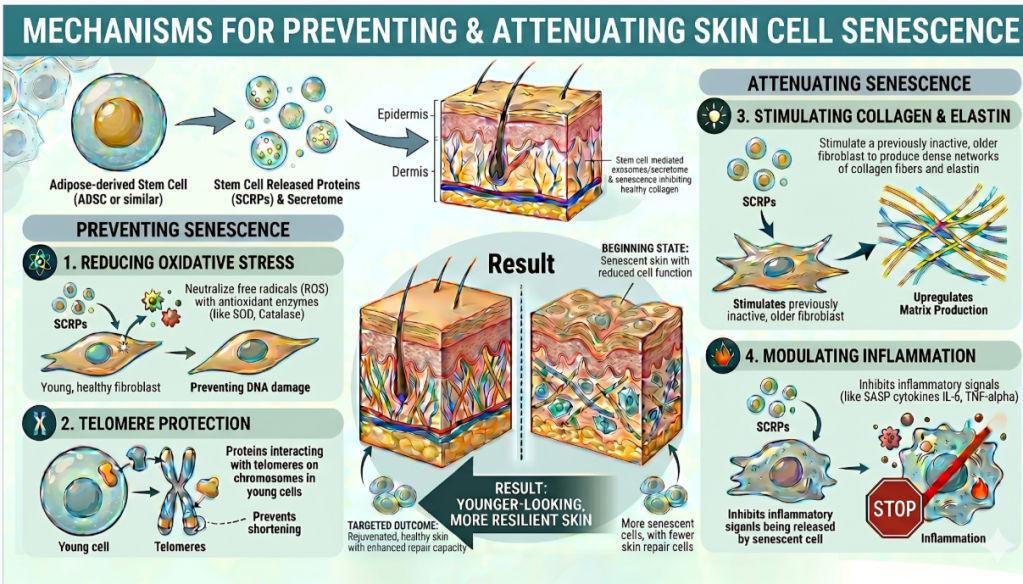
Some of the mechanisms by which NeoGenesis Recovery helps to optimize skin longevity (Picture by Kevin Wiener of NeoGenesis).
Whether it’s the dermis and its rich extracellular matrix, barrier function, or the skin’s microbiome, all must be optimized for healthspan and lifespan. NeoGenesis features technologies that I developed in our laboratories; technologies that improve the structure and function of the dermis and its rich extracellular matrix, barrier function, and the skin’s microbiome.
As a professor of neuroscience, I give an example of bidirectional communication between skin and brain. Within the skin–brain connection, psychological stress triggers neuropeptide release from the brain that exacerbates inflammatory skin conditions such as psoriasis. Conversely, chronic skin inflammation signals back to the brain these inflammatory messages, influencing neural development and behavior.
As a consumer, if you are overwhelmed by the constant churn of product launches, look no further than the S2RM technology. I launched the technology in 2010 with BioRegenerative Sciences, and that morphed into a consumer-friendly technology at NeoGenesis in 2014. S2RM is a natural, exosome and secretome-based multifunctional product using the molecules secreted from skin stem cells. While so-called discovery of new ingredients, often only the discovery of a new way to offer marketing hype, once drove excitement in the market, now it’s creating consumer fatigue. People are choosing fewer products, products that work, gravitating toward products with clear purpose, multifunctionality and proven results. Skin minimalism is no longer a trend, it’s becoming a mindset. NeoGenesis Recovery is the ultimate in skin minimalism by using one product that contains hundreds of natural stem cell derived proteins that target hundreds of pathways simulataneously to yield long term efficacy and optimizing skin longevity.
Stay with me in my blog, I’ll have more to say about how NeoGenesis Recovery reduces skin inflammation leading to improved longevity, how Barrier Renewal Cream rebuilds barrier function to reduce inflammation and improve longevity, and MB-2 and MB-1 to restore the microbiome – a very important part of skin longevity.
Harnessing and mimicking the skin’s innate, adaptive ability to detect, process, and respond to environmental stimuli and internal signals to maintain its optimal condition.
Science-backed efficacy and safety, sensorial experiences, and natural, skin-identical ingredients are core to NeoGenesis’ technology. Ours is a holistic approach, a systems-therapeutic (Maguire, 2014) approach to skin care, using multifunctional ingredients and products that address both physical appearance and underlying health. Healthy skin is beautiful skin. Dr. Maguire’s revolutionary approach at NeoGenesis is explained in his academic book, “Adult Stem Cell Released Molecules: A Paradigm Shift to Systems Therapeutics” (Nova Science Publishers, 2018); his popular book, Thinking and Eating For Two: The Science of Using Systems 1 and 2 Thinking to Nourish Self and Symbionts (Amazon, 2020), and has garnered interest for years by those in the skin care industry.
Aesthetic treatments have become increasingly destigmatized, as skin experts and influencers sharing these interventions online becomes the norm. These treatments once exclusive to the clinic are now reshaping expectations at home, as demand grows for powerful at-home alternatives delivering visible results – winning on time, budget, ease of use, and of course results. But this shift isn’t just about DIY. It’s about medical-like performance without the costs and negative side-effects. Ingredients mimicking the mechanisms and outcomes of aesthetic procedures are gaining traction — offering smoother, firmer, more volumized skin without a needle in sight. And with nutrition, including caloric restriction, being top of mind, consumers increasingly seek safer, accessible alternatives to GLP-1 medications that mirror or improve their benefits. The result? Skin care that goes beyond hydration, cover-up, or smoothing. NeoGenesis performs like a procedure – delivering clinic-coded results, at home. Those using GLP-1 agonists, for example, will benefit from using NeoGenesis Recovery to remediate the negative consequences of the GLP-1 agonists on the fibroblast and ADSCs in the skin.
Longevity
Longevity has emerged as a central focus in health and beauty, as consumers increasingly seek ways to biohack their bodies for long-term results. This shift from traditional anti-ageing toward a lifespan- and healthspan-driven approach focuses on biological age and prolonging skin life at the cellular and tissue levels, for example, fibroblasts and the extracellular matrix —addressing the root causes of aging. At the same time, the longevity culture strives in lifestyle changes to achieve a healthy mindset and appearance. In line with this trend, the biohacking industry is gaining momentum and can become more accessible due to the “information age.” NeoGenesis is an important part of skin “biohacking,” in the best sense of the word by bridging science, technology, and self-optimization.
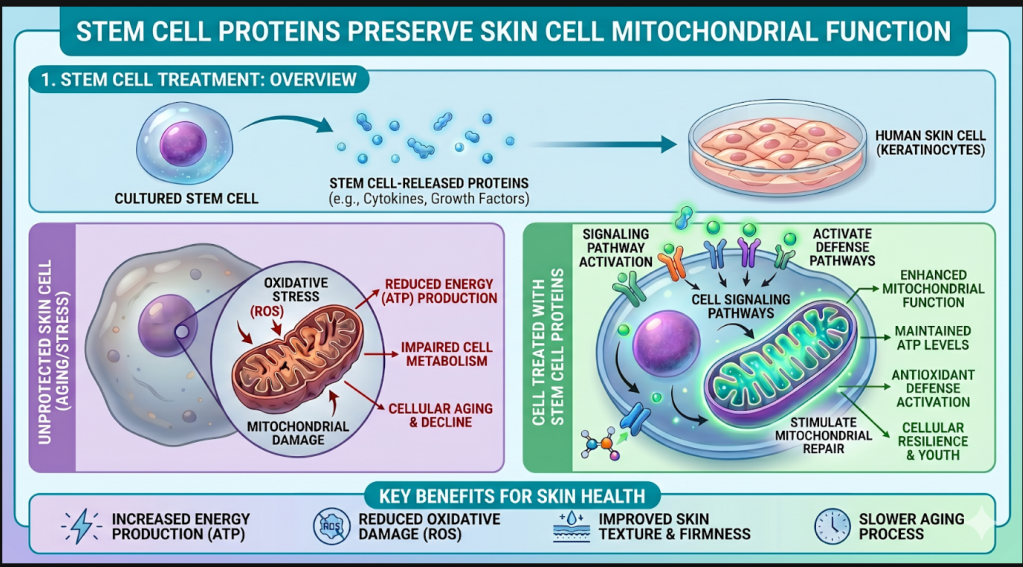
Biohacking can include stem cell released molecules (S2RM or S3RM) applied to the skin yielding renewed and optimized mitochondrial function (picture from Kevin Wiener).
Dr. Greg Maguire, Ph.D. – NeoGenesis Cofounder – Top 2% of Scientists
Dr. Greg Maguire of NeoGenesis has a long history in physiology and functional medicine (Maguire, 2013), and his methods for biohacking (Maguire, 2020) are helping to shape a new, performance-driven vision of long-term skin and body care. Whether it’s secretome and exosome technology, naturally sourced skin-identical nutrients as ingredients, or microbiome renormalization using prebiotics, probiotics, and postbiotics (Maguire and Maguire, 2017; 2019), Maguire has introduced these concepts and technologies to skin care.
Dr. Greg Maguire is one of the world’s leading scientists, having an H-index of 41. An H-index of 41 places a researcher in the top 2% of most-cited scientists globally. While precise percentiles fluctuate by field and database, this score is consistently categorized as “outstanding” and is indicative of a scholar at the highest levels of academia.
Web of Science for Dr. Greg Maguire, H-index = 41, placing Dr. Maguire in the top 2% of scientists world-wide.
NeoGenesis is pioneer in science-based dermohacking and continues to harness this disruptive vision by bridging longevity science, nature, and premium skin care experiences to push the boundaries of efficacy, safety, and sustainability. Not only efficacy, but safety is key to optimal biohacking and the NeoGenesis technologies, including our S2RM®-core technology, have extensive, peer-reviewed safety studies backing it (Maguire and Friedman, 2020).
With the technologies developed by Dr. Greg Maguire, the products formulated by Dr. Greg Maguire, Dr. Maguire’s patented S2RM technology produced by the NeoGenesis labs led by Linda Green, who has 30 years’ experience as a biotechnologist, lab-director at the University of Florida, and all of our products made in the NeoGenesis laboratories under the direction of Kevin Wiener, a science-grad from the University of California, Santa Cruz. NeoGenesis uses Just-In-Time manufacturing of our ingredients and products to bring the market the freshest, most innovative, and most powerful, efficacious products available.
Whether it’s skin-identical molecules to those produced in the skin by multiple skin stem cell types (S2RM and S3RM technology), the lipids produced in the skin (Triple Lipid Technology), or the dietary botanical-derived ingredients that are brought to the skin through the blood supply (Vibrant C Serum and Skin Restore Serum Vitamin A), NeoGenesis provides the full spectrum of ingredients needed to return the skin to a healthy state and optimize skin longevity.
References
Maguire G. (2013) Stem cell therapy without the cells. Commun Integr Biol. 6(6):e26631.
Maguire G. (2014) Systems biology approach to developing “systems therapeutics”. ACS Med Chem Lett. 2014 Mar 6;5(5):453-5
Maguire G (2018) Adult Stem Cell Released Molecules: A Paradigm Shift to Systems Therapeutics” (Nova Science Publishers, 2018).
Maguire G (2020) Thinking and Eating For Two: The Science of Using Systems 1 and 2 Thinking to Nourish Self and Symbionts. Amazon Press.
Maguire G, Friedman P. (2020) The safety of a therapeutic product composed of a combination of stem cell released molecules from adipose mesenchymal stem cells and fibroblasts. Future Sci OA. 6(7):FSO592.
Maguire M, Maguire G. (2017) The role of microbiota, and probiotics and prebiotics in skin health. Arch Dermatol Res. 309(6):411-421.
Maguire M, Maguire G. (2019) Gut dysbiosis, leaky gut, and intestinal epithelial proliferation in neurological disorders: towards the development of a new therapeutic using amino acids, prebiotics, probiotics, and postbiotics. Rev Neurosci. 30(2):179-201.
Innovation comes naturally for the human body through thousands of years of evolution. Nature is the world’s great innovator. People age for over a 100 years and still remain functional. Despite the environmental ravages of the modern world, such as ever-increasing pathogens, toxins, and immune stimulating antigens, the human body and its protective epithleial tissues, incuding the skin, remain highly functional for decades. Learning from nature, NeoGenesis creates, manufactures, and sells the most innovative skin care products on the market.
NeoGenesis is a dynamic, innovative, and customer-focused formulator, manufacturer, and distributor of high-quality, efficacious skin and personal care products.With decades of scientific research by our cofounder, Prof. Dr. Greg Maguire, Ph.D. and industry experience and knowledge, we offer a wide variety of topical products, consultative support and educational resources to help each of our customers navigate the complex world of skin care for all of the various skin conditions that can afflict us; from skin longevity care, to eczema, to radiation dermatitis, NeoGenesis’ products can mitigate and prevent many of the symptoms and underlying mechanisms in these skin conditions.
NeoGenesis’ Skin Care Product Portfolio features a comprehensive range of innovative, functional ingredients for skin care and personal care, including our Stem Cell Released Molecules technology (S2RM) comprised of exosomes, ectosomes, and soluble fractions from skin-identical stem cells, NMFs, Triple Lipid Technology, emollients, antioxidants, botanical extracts, prebiotics, probiotics, and postbiotics, and natural preservatives – all designed to enhance product performance and support sustainable formulation trends.
At NeoGenesis, we biohack the natural way. The way mother nature intended and taught us. We use a biomemtic approach where the molecules that are native to the skin when the skin is young and healthy, are retuned to the skin in those many skin conditions that have an underlying deficit in these molecules.
Whether it’s molecules derived from our diet or the molecules made in the body, NeoGenesis uses a combination of these molecules to feed the skin from the outside-in, using all of the molecules needed to mainatain an opitmal longevity startegy for skin care. As an example, the skin has a number of stem cell types that provide a rich variety of molecules to maintain skin longevity. In our research paper on proteomics of these molecules, we explained the many proteins in the S2RM that promote cellular and tissue longevity. The S2RM is the full collection of molecules released by two major stem cell types in the skin that underly many skin functions. Again, these molecules from the stem cells in our skin can be compromised simply during the aging process. Using NeoGenesis products that contain the S2RM technology, such as Recovery and Skin Serum, returns to the skin the molecules that were present when the skin was young and healthy, thus leading to the skin’s improved longevity.
And when combining our S2RM technology-containing products with, for example, our Vibrant C Serum product to provide ascorbic acid to the skin, a synergistic result is realized. Ascorbic acid is essential to human skin health and is not produced by the body, but must be obtained through diet. Unfortunately, most people have a deficiency of ascorbic acid in their skin and topical application in a liposomal form can provide fresh, non-oxidized ascorbic acid deep into the skin to support collagen production and protection, as well as numerous other benefits that increase skin longevity.
Using GLP-1 agonist drugs has a number of detrimental consequences to human skin, including inhibiting the proliferation, differentiation, and metabolic acitivty of human adipose mesenchymal stem cells (ADSCs). To restore ADSC activity and mimic their activity in the skin, NeoGenesis Recovery, containing the molecules secreted from metaboloically active ADSCs, should be applied to the face to prevent and remediate the negative consequnces of GLP-1 agonists on the skin and its ADSCs.
“Ozempic face” and facial aging have been observed as side effects in many patients after glucagon like peptide 1 receptor agonists (GLP-1RA) therapy for type 2 diabetes mellitus (T2DM) and obesity. While recent studies have found that GLP-1 agonists help the patient reduce weight, and that they also help people with obesity lower their high blood pressure and reduce their odds of heart attacks or strokes, many people are now using GLP-1 agonists just to lose weight. Some physicians are doling these drugs out like candy and all the person wanting them has to do is go online and a physician will sell you the drug. It’s big business and the drug companies can’t keep up with the demand and as a result are raising their prices. So many people taking these drugs means that many, many people are experiencing the negative side-effects of GLP-1 agonists, including a face so sunken that they become unregonizable.
The rapid weight loss observed with GLP-1RA has been implicated in facial aging. However, recent evidence suggests further pathophysiological mechanisms for this side effect beyond just weight loss.
For example, GLP-1RAs were shown to significantly and effectively inhibit the in vitro proliferation and adipogenic differentiation of ADSCs within a few days of exposure, while simultaneously enhancing the production of adiponectin (increases insulin sensitivity) and increasing the fatty acid oxidation (Increasing energy) in adipose tissue. The inhibition of mature adipocyte formation was shown to reduce the presence and activity of fibroblasts in regenerating dermis. Further, in ADSCs, glucose uptake was significantly reduced; the absence of glucose in the ADSCs results in a deficiency of adenosine triphosphate (ATP), leading to cellular dysfunction, damage, aging, and apoptosis of precursor cells.
Importantly, human adipose tissue-derived stem cells (ADSC) secretome display various therapeutically relevant effects in regenerative medicine, such as induction of angiogenesis and tissue repair and regeneration. The benefits of ADSC secretome are primarily orchestrated by trophic factors that mediate autocrine and paracrine effects in host cells (Silveira et al, 2022); this means the ADSC secretome not only provides benefit to other cells, such as dermal fibroblasts and adipocytes, but also to the ADSCs themselves through autocrine effects.
Also, Wang et al. 2024 reviewed how ADSC-derived exosomes regulate inflammatory signaling within adipose tissue, with distinct cargo compared to mature adipocyte exosomes. ADSC exosomes contain anti-inflammatory miRNAs (miR-21, miR-24, miR-26) that modulate macrophage polarization and cytokine production within adipose tissue.
While there are some clear benefits to the skin in some patients using GLP-1 agonists such as reducing Advanced Glycation Endproducts (AGEs), there are a number of detrimental effects, such as reduced function of ADSCs and fibroblasts, that can be mitigated or prevented by using NeoGenesis Recovery, containing ADSC secretome.
References
Cantini G, Di Franco A, Samavat J, Forti G, Mannucci E, Luconi M. Effect of liraglutide on proliferation and differentiation of human adipose stem cells. Mol Cell Endocrinol. 2015 Feb 15;402:43-50.
Lee HM, Joo BS, Lee CH, Kim HY, Ock JH, Lee YS. Effect of Glucagon-like Peptide-1 on the Differentiation of Adipose-derived Stem Cells into Osteoblasts and Adipocytes. J Menopausal Med. 2015 Aug;21(2):93-103.
Ridha Z, Sabrina Guillen Fabi, Raheel Zubair, Steven H Dayan, Decoding the Implications of Glucagon-like Peptide-1 Receptor Agonists on Accelerated Facial and Skin Aging, Aesthetic Surgery Journal, Volume 44, Issue 11, November 2024, Pages NP809–NP818,
Silveira BM, Ribeiro TO, Freitas RS, Carreira ACO, Gonçalves MS, Sogayar M, Meyer R, Birbrair A, Fortuna V. Secretome from human adipose-derived mesenchymal stem cells promotes blood vessel formation and pericyte coverage in experimental skin repair. PLoS One. 2022 Dec 19;17(12):e0277863
Wang Y, Li Q, Zhou S and Tan P (2024) Contents of exosomes derived from adipose tissue and their regulation on inflammation, tumors, and diabetes. Front. Endocrinol. 15:1374715.
Procell formerly purchased their bone marrow mesenchymal stem cell technology from the parent company of AnteAge, Cellese. But after Cellese was purchased by a private equity company, Procell no longer had access to the technology they were previously able to purchase.
To coverup the loss of this suboptimal BMSC technology from Cellese, the marketing team at Procell made a blog to spin the use of off-the-shelf technologies as something better than the technology they could no longer purchase. The private equity company that purchased Cellese/AnteAge is in the business of buying companies and then selling them for a profit. It’s not about making great products that serve mankind, it’s about making money, and lots of it. The company is proud to have “fully liquidated [one of their funds] after generating 7.2 times investors’ money, or a 59 percent annual return over 11 years – the best performance of any 2014-vintage buyout fund. That’s what they’re doing with AnteAge – cutting cost and making up much marketing hype.
And because PE doesn’t like to share, they no longer sell to poor little Procell. Now Procell has to buy technology elsewhere and has taken their suboptimal products from second-rate to third-rate.
Procell is in such a bad way that their science page still talks about bone marrow mesenchymal stem cells, even though they no longer use this technology. Sad to see the self-proclaimed “Godfather of Microchanneling” (LOL) at Procell transform into the “Vito Corleone of Maltodextrin-Infused Poking.” Yes, the “Microchanneling’s Godfather wants to make you an offer you can Refuse;” water and maltodextrin having replaced their bone marrow mesenchymal stem cell conditioned media (secretome).
Based on many recent scientific studies of using live, symbiotic bacteria in a topical application, NeoGenesis has launched a new probiotic, topical skin care product (MB-2) and will be launching MB-3 soon. I briefly explain some of the science for using topical probiotic products in this post.
I’ve been publishing about (Maguire and Maguire, 2017) and developing topical probiotic products (MB-1 was launched in 2015) for well over a decade. The data for topical symbiotic bacteria colonizing and benefiting the skin are rapidly accumulating. For example, topically applied Lactobacilli have been found to temporarily colonize the skin and to directly compete with skin pathogens through adhesion inhibition, production of antimicrobial metabolites, and by influencing pathogen metabolism. The competitive anti-pathogenic action of Lactobacilli has been described mechanistically for common skin pathogens, such as Staphylococcus aureus, Cutibacterium acnes, and Candida albicans (DeLanghe et al, 2021). Recently, studies of live Lactobacillus crispatus (LBC) demonstrated benefit to the skin when compared to inactivated LBC biomass, stimulating collagen in vitro. Moreover, the live LBC was stable in formulations not containing antimicrobial preservatives and was found to improve dermis density and wrinkle appearance in vivo.
Microbes and human cells have co-evolved for billions of years, through which they have been exposed to many types of molecules produced by each other and acting in bidirectional signaling pathways (Wu et al, 2025). For example, Lactobacilli have an immunomodulatory capacity associated with a reduction in excessive skin inflammation (Delanghe et al, 2021). Their influence on the immune system is mediated by bacterial metabolites and cell wall-associated or excreted microbe-associated molecular patterns (MAMPs). Lactobacilli acting as immune modulators associated with a reduction in excessive skin inflammation exert their influence on the immune system by secreting many bacterial metabolites, a type of postbiotic (this is a term I introduced in 2019; Maguire and Maguire, 2019), along with the cell wall-associated MAMPs that are not released but integrated into the cell of the bacterium. In addition, Lactobacilli can also enhance the skin barrier function, which is often disrupted as a result of infection, trauma, or in inflammatory skin diseases such as eczema and psoriasis. Lebeer et al (2022) found that the Lactobacillis species L. crispatus, L. iners, L. gasseri, and L. jensenii, all still belonging to the genus Lactobacillus strictu sensu, have a broader human adaptation to stratified epithelium than merely the human vaginal epithelial cells, based on their association with healthy skin. In other words, Lactobacilli colonize the skin just as they do in other epithelial tissues. However, these colonies of bacteria on the skin can be disrupted by a number of extrinsic and intrinsic factors, such as harsh chemicals and aging. For example, aged skin contains significantly fewer L. crispatus (a beneficial symbiont) than young skin. Let’s now breiefly look at how symbiotic bacteria benefit the skin through quorum sensing and the release of post-biotic molecules, including molecules that will inhibit pathogenic bacteria such as certain strains of Staphlacoccus aureus.
Quorum Sensingand Post-Biotic Release
Mechanisms of quorum sensing is different for gram-positive versus gram-negative bacteria. Regardless, quorum sensing molecules (AIP or QS molecules) can work within species or on other species to control growth. This is an important means by which symbiotic bacteria, such as B. subtilis, can inhibit pathogenic bacteria such as S. aureus.
As bacteria grow, they secrete and sense signaling molecule in the surrounding environment. By detecting variations in the concentration of these signal molecules, bacteria can modulate the expression of related genes, thereby regulating associated behaviors. Consequently, interfering in bacterial QS signaling to either promote or inhibit the development of lactic acid bacteria (LAB) biofilms holds substantial significance in terms of enhancing skin immunity, promoting skin health.
Quorum sensing allows bacteria to communicate and coordinate collective behaviors by sensing population density through chemical signals, or autoinducers. While primarily species-specific, interspecies communication also occurs when different bacteria produce or detect shared autoinducers like autoinducer-2 (AI-2), a “universal” signal molecule used by many species. This interspecies communication can lead to either cooperation or competition, influencing functions such as biofilm formation, virulence, and resistance against other microbes.
For example, colonization of the skin by Staphylococcus aureus is associated with exacerbation of atopic dermatitis (AD). Proteases and phenol-soluble modulin α (PSMα) secreted by S. aureus leads to endogenous epidermal proteolysis and skin barrier damage that promotes inflammation (Williams et al, 2019). Other species of bacteria residing on normal skin can produce autoinducing peptides that inhibit the S. aureus agr system, in turn decreasing PSMα expression. A number of bacteria types, such as Bacillus subtilis (it secretes lactic acid), can quorum sense (Spacacan et al, 2020) and react to the S. aureus overcolonization by inhibiting the S. aureus through disruption of their QS system (Leistikow et al, 2024).
Quorum-sensing systems in the skin can be divided into two paradigmatic classes: LuxI/LuxR–type quorum-sensing systems in Gram-negative bacteria and oligopeptide/two-component–type quorum-sensing circuits in Gram-positive bacteria. All of this is very complicated, relaizing that bacteria have elaborate chemical signaling systems that enable them to communicate within and between species is only recently been explored and the field is emerging quickly. Based on our current knowledge, I’ve developed two new products, MB-2 and MB-3, using symbiotic, live bacteria known to perform QS or interfere with QS in other bacteria strains and promote skin benefits, including reduced inflammation and barrier function rebuild.
Interspecies Quorum Sensing Fosters Both Competition and Collaboration
To be clear, quorum sensing between different bacterial species occurs as well. For example, some species cannot produce their own autoinducers, but have receptors for the autoinducer molecules of other species, allowing them to sense and respond to others in their environment. Like human behavior, bacteria behavior operates on a continuum of individualism and collectivism. This quality can breed conflict, but also collaboration and interspecies quorum sensing can take both forms. In other words, the good guys, the symbiotic bacteria, can work together through quorum sensing among themselves (intraspecies quorum sensing) to inhibit the bad guys, the pathogenic bacteria, through interspecies quorum sensing. The good guys can be fighting some bacterial species, such as S. aureus, that use quorum sensing to enhance each other’s virulence.
Let’s now look at the five symbiotic bacteria that are contained in MB-2 and MB-3
Lactobacillus plantarum
Lactobacillus plantarum treatment reduced wound bacterial load, neutrophils, apoptotic and necrotic cells, modified IL-8 production and induced wound healing (Peral et al, 2010). When topically applied to a disease skin model for acne, L. plantarum induced a significant reduction in viability of virulent bacteria phylotypes, lipid production, and modulated inflammatory markers (Podrini et al, 2023). Further, L. plantarum whole cultures promote tissue repair, and this bacterium may also improve the healing of diabetic wounds in rats through the regulation of inflammatory cytokines (Ishi et al, 2023). In a study of 23 subjects, topical L. plantarum in a cream formulation was found to benefit skin aging properties, including TEWL, barrier function, and wrinkles (Elvebakken et al, 2023).
Lactobacillus crispatus
An oily suspension containing Lactobacillus crispatus and Lacticaseibacillus paracasei was found to benefit Seborrheic dermatitis (Truglio et al, 2024). In a study of 29 women with topical application of L. crispatus, the density of the sub-epidermal zone significantly increased vs baseline by 11% and of the dermis by 6% (+5% vs placebo). As I mentioned in the introduction,, studies of live Lactobacillus crispatus (LBC) demonstrated benefit to the skin when compared to inactivated LBC biomass, stimulating collagen in vitro. Moreover, the live LBC was stable in formulations not containing antimicrobial preservatives and was found to improve dermis density and wrinkle appearance in vivo.
Bacillus subtilis
Topical application of live Bacillus subtilis has been found to reduce the number of pathogenic bacteria in skin, including S. aureus (Moskovicz et al, 2021; Piewngam et al, 2023). Topical application also helps to reduce acne breakouts (Ma’or et al, 2023). B. subtilis is being developed for drug delivery for a number of reasons (Montgomery et al, 2024). It may have advantages over other candidate bacteria as a platform for drug delivery to the skin because of its safety profile and genetic tractability. It is found in the skin microflora and is metabolically active on the skin. It is nonpathogenic and has natural antimicrobial properties against pathogenic staphylococci and fungi. B. subtilis has generally regarded as safe status from the FDA, and multiple B. subtilis probiotic products as well as a genetically modified strain of B. subtilis are currently commercially available. Further, an important characteristic of B. subtilis is that it is commonly used in biotechnology for the production of proteins, vitamins, and antibiotics because of its efficient protein secretion system, and ease of cultivation, factors that mean it can work well when topically applied to the skin as a probiotic.
Bacillus coagulans
LactoSporin, a metabolite of Bacillus coagulens, cream topically applied for 10 weeks resulted in a significant reduction in visibility of wrinkles around crow’s feet, nasolabial folds, frown lines, and facial fine lines compared to baseline and placebo by dermatological and Antera imaging assessments (Majeed et al, 2023). . Optimal conditions for growth include a temperature range of 30–50°C and a pH level of 5.5–6.5, matching the surface of the skin. This bacterium exhibits weak adhesion to epithelial cells, which prevents long-term colonization, but allows temporary colonization and yielding positive effects.
Lactoccus lactis
Various strains of L. lactis have recently been reported to induce anti-inflammatory activity in vitro (Luerce et al, 2014). Administration of L. lactis LB 1022 improved clinical AD symptoms, decreased serum IgE and suppressed the Th2 cytokines secretion, such as IL4, IL-13, and TSLP in blood, which are factors found to be elevated by AD. Similarily, oral L. lactis LB 1022 may have a protective effect against AD by reducing high IgE serum levels and Th2-related responses that arise from an imbalance in the gut microbiota. Topical application of L. lactis is likely to have similar effects on AD, but given the likely lower colonization levels when topically applied, requires more frequent dosing to achieve similar positive results. It is also possible that L. lactis ferments glycans on the surface of the skin, thus producing beneficial lactic acid that may then be fermented into beneficial short chain fatty acids which then regulate the immune system and reduce inflammation.
Summary
As you can read here in the studies I’ve mentioned, there is much accumulating evidence for the benefits of the 5 types of symbiotic bacteria that I’ve chosen to include in our NeoGenesis MB-2 and MB-3 products. Working with a number of dermatologists in the USA, we’ve had remarkable postive results in compromised, inflammatory skin conditions where MB-2 (bacteria in an occlusive base) serves those conditions with interupted barrier function, such as atopic dermatitis and MB-3 (in a non-occlusive oil base) serves those conditions with a more intact barrier and oily and pustule-prone skin.
Did you know scientists have discovered that topical sunflower seed oil helps to rebuild the stratum corneum and barrier function? Or that topical safflower oil can help to regrow hair and help to close wounds. Did you know that consuming seed oil, full of polyunstaurated fats, is healthier than eating coconut oil, which is 90% saturated fat. Consuming staurated fat leads to heart problems and dysbiosis, among other problems.Did you know that some seed oils, such as high oleic sunflower seed oil, tends to have higher stability than the high linoleic varieties of oils?Or that safflower seed oil contains extremely stable oleosomes?These are the reason why I formulate with these two oils.They provide essential oils (oils the skin needs to aquire to be healthy but are not made by the skin) and they provide numerous benefits to the skin.If the seed oils are extracted carefully, such as expeller pressed, and then formulated in a cold-process, the seed oils are of great benefit to the skin.
Listening to some unknowledgeable and outspoken people on TikTok, YouTube, including some pharmacists, or any of a number of podcasts, the oil extracted from plant seeds is poisoning us. RFK, Jr., who should have stuck with being an environmental lawyer, has jumped on this inane bandwagon. I think his cerebral arteries must be clogged with beef tallow (50% saturated fat) and advanced glycation end products from the fries he eats. Other people, such as the physician Mark Hyman are telling people to eat unhealthy coconut oil instead of seed oils – I guess he’s trying to drum-up business. Coconut oil induces inflammation and metabolic disorders, and a coconut oil- high fat diet has been found to cause dysbiosis associated with an increased risk of colorectal cancer. Further, diets rich in saturated fats, such as coconut oil, may contribute to mitochondrial dysfunction, protein aggregation, and neuronal degeneration. Recent studies (McCright et al, 2025) also find that saturated fats exacerbate asthma and promote lung myeloid cell inflammasome activation and IL-1β–mediated inflammation in mice and humans.
Instead of pseudoscience from RFK, Jr, try some science from Prof. Dr. Christopher Gardner, Ph.D. on a recent podcast. “It’s so odd that the internet has gone wild demonizing these things [seed oils],” said Dr. Christopher Gardner, Ph.D., a professor of medicine at Stanford University School of Medicine in California and a nutrition scientist at the Stanford Prevention Research Center. “They are not to be feared.” Dr. Gardner says seed oils contain high levels of omega-6 fatty acids, a polyunsaturated fat the body needs but cannot produce itself, so it must come from foods. Polyunsaturated fats help the body reduce bad cholesterol, lowering the risk for heart disease and stroke. The American Heart Association supports the inclusion of omega-6 fatty acids as part of a healthy diet. Studies of linoleic acid, found in seeds, finds the seed oils benefit cardiovascular function.
Seed Oils in Topical Skincare Products
Some seed oils, such as sunflower seed oil, are great for the skin. Sunflower seed oil helps to rebuild skin barrier function. In contrast to sunflower seed oil, topical treatment with olive oil significantly damages the skin barrier, and therefore has the potential to promote the development of, and exacerbate existing, atopic dermatitis.
Sunflower Seed Oil
Notice sunflower seed oil (SFSO) is used by dermatologists at UCSF, such as Prof. Dr. Peter Elias, M.D. and his colleagues, in an inexpensive product for building the epidermis and barrier function: https://pmc.ncbi.nlm.nih.gov/articles/PMC9078150/. There are other products that work better, but they are more expensive because of ingredients like oleosomes, Triple Lipid Technology and Natural Mositurizing Factors, things that I’ll explain later. The product developed by Prof. Elias and colleagues features sunflower seed oil, something that is less expensive but provides benefit to barrier function. SFSO activates PPAR-alpha, which has numerous benefits in the epidermis (increased lipid production and lamellar body formation, and differentiation of keratinocyes) that help to rebuild natural barrier function. Sunflower seed oil contains oleosomes if cold-processed and not refined. Oleosomes are specialized plant organelles that protect the oil, and I’ll describe in the next section.
From Elias et al (2022): The putative mechanisms by which a topical optimised mixture improves permeability barrier homeostasis. In the mixture, petrolatum and lanolin instantly improve the permeability barrier, while glycerol improves barrier (stratum corneum, SC) hydration and accelerates permeability barrier repair. Linoleic acid in both sunflower oil and borage oils activates peroxisome proliferator-activated receptors (PPAR), resulting in increased production of lipids and antimicrobial peptides, and stimulation of lamellar body secretion and membrane maturation. Consequently, both permeability barrier and antimicrobial barriers are improved.
Safflower Seed Oil and its Oleosomes
I’ll also described the benefits of safflower seed oil (SSO), and the oleosomes contained within. SSO has antioxidant and antimicrobial activity, helping to heal wounds. The potential uses of SSO for skin care are under intense investigation given what is already known of this oil. For example, recent results indicate that SSO and its active compound acacetin can prevent UVB-induced MMP-1 expression, which leads to skin photoaging.
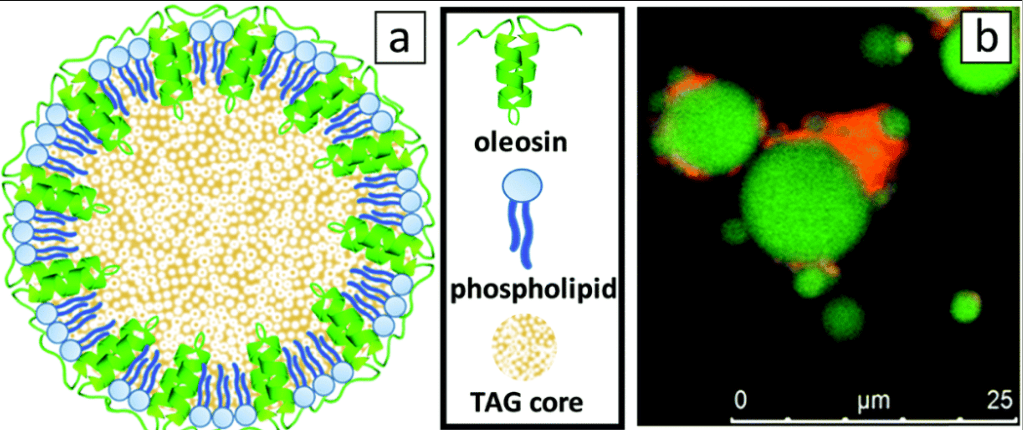
From Karefyllakis et al (2019):2D-model of an oleosome with an emphasis on the configuration of the membrane, composed from a monolayer of phospholipids with the hydrophobic oleosin proteins anchored in the triacylglyceride (TAG) core (sizes not to scale), and (b) CLSM (confocal laser scanning microcope) image of SFO stained by Nile Blue showing lipids in green and proteins in red.
Safflower oleosomes are of interest in part because the plant seeds uniquely contain a large amount of oil bodies (oleosomes) and low water content, resulting in decreased hydrolytic properties and lower protein degradation. Within the oil, tocopherol or vitamin E occurs naturally. Looking at the evolution of plant seeds, the primary function of oleosomes is to safely store the seed energy source in the form of triacyglycerols (vegetable oil) during dormancy of the seed and then use it during germination, and to protect the seeds against environmental stressors. To achieve this, a sophisticated structure has evolved where oleosomes are equipped with a membrane that covers the triacylglycerols (TAGs) core, imparting physical and chemical stability. The membrane acts as a shield, preventing the oxidation of the TAGs. The membrane is dilatable and consists of a continuous monolayer of phospholipids that contains a number of proteins, mostly oleosins, embedded in the membrane. Triacylglycerols, also known as triglycerides, are a type of lipid composed of a glycerol molecule bonded to three fatty acids. They are the main constituents of body fat in animals and vegetable fats. Triacylglycerols serve as a crucial energy reserve, storing more than six times the energy of glycogen per gram. The seeds need this energy to germinate.
The oleosomes we use at NeoGenesis are naturally and sustainably extracted from the seeds of safflower (Carthamus tinctorius). The herbaceous non-GMO plant is cultivated and harvested in California, USA, without the use pesticides and with low water requirements. The manufacturer with whom we work, Sharon, uses a proprietary aqueous extraction cold process, comprising: grinding the seeds with aqueous medium, centrifugation and separating the liquids from the solids by centrifugation again before isolating the oleosomes. This process keeps the oleosomes fully intact, maintaining the micro-oil bodies as they occur naturally, with their full qualities and capabilities. Further, cold processing retains the antioxidants, vitamins and minerals. The result is an oil-in-water (o/w) emulsion with natural properties that provide many skin benefits. Biophysical studies of the oleosome have characaterized the oleosomes’ high physical stability, and have called for bioinspired construction of oil structures capable of protection and delivery of ingredients to the skin, all based on the remarkable evolutionary structure of the oleosome.
Sea Buckthorn Oil(Berries, Pulp, and Seeds)
Sea Buckthorn Seed Oil (SBSO), which typically contains the oil from the berries and pulp too, is another highly prized oil for skin care. One of the key reasons I use it in my topical skin care formulations is the high level, about 50%, of Omega-7 fatty acids. SBSO has been found to aid wound healing and increases telomerase activity, and decrease 3-nitrotyrosine. Inhibiting 3-nitrotyrosine (3-NT) is huge because 3-NT is a stress factor and acts as a neoantigen leading to the production of autoantibodies that can destroy skin tissue.
More than Omega-7, sea buckthorn (Hippophae rhamnoides) is valued for its diverse array of bioactive compounds. Cold-pressed extraction is important for retaining the full spectrum of these compounds. The SBSO is typically derived from various parts of the plant, including the whole berry, pulp, and seed, each yielding unique profiles of fatty acids, vitamins (A, C, and E), phytosterols, flavonoids, and carotenoids. SBSO, in particular, is rich in polyunsaturated fatty acids like linoleic acid (omega-6) and linolenic acid (omega-3), as well as the monounsaturated fatty acid palmitoleic acid (Omega-7). SBSO also contains a small amount of saturated fatty acid palmitic acid, monounsaturated fatty acid oleic acid, and trace amounts of myristic and stearic acids, along with minerals such as selenium, copper, zinc, and silicon. Together, this remarkable array of components in SBSO enhance the epidermis’ skin barrier function, structural integrity, and and anti-inflammatory properties, making SBSO a valuable therapeutic agent for conditions such as skin wounds, atopic dermatitis and psoriasis, or any skin condition with inflammation and compromised barrier function.
Other seed oils have been found to provide benefit too. Raspberry seed oil, for example, improve barrier function as measured by decreases of TEWL in human subjects, whereas the comparator oil, coconut oil, had no effect. Let’s stop denegrating seed oils!
Beneficial Seed Oils for Skin
Oil
Key Components
Main Skin Benefits
Skin Types Best Suited For
Rosehip Seed Oil
Linoleic acid, α-linolenic acid, provitamin A (retinoids), tocopherols
Promotes skin regeneration, reduces scars and hyperpigmentation, improves elasticity
Dry, mature, scar-prone
Pomegranate Seed Oil
Punicic acid (omega-5), polyphenols
Strong anti-inflammatory and antioxidant activity, supports skin repair, calms redness
Bottom line, if you’re using coconut oil or olive oil on your skin, your not improving epidermal function, you can be degrading it. Switch to products using evidence-based, scientific knowledge to formulate their products – and, yes, seed oils, providing essential oils, can be great for the epidermis and improving barrier function. For example, if you use the NeoGenesis Barrier Renewal Cream, you’ll benefit from safflower oleosomes, combined with our Triple Lipid Technology (free fatty acids, ceramide, cholesterol) and Natural Moisturizing Factors (NMF) to rebuild the stratum corneum and barrier function. No other company features this combination of ingredients to rebuild the epidermis. And for those with moderate to severe barrier dysfunction, our new MB-2 product provides instantaneous barrier function without the use of petrolatum, along with 5 types of symbiotic bacteria important to rebuilding barrier function and inhibiting Staphylococcus aureus overgrowth, commonly found in skin with disrupted barrier function. One last thing, NeoGenesis S2RM, containing adipose mesenchymal stem cell secretome, helps to rebuild barrier function too!
For those with disrupted barrier function in conditions such as eczema, including atopic dermatitis, I recommend Skin Serum, which contains S2RM and glycerol, Barrier Renewal Cream, which contains oleosomes+ Triple Lipid Technology +NMF, followed by MB-2, containing a non-petrolatum occlusive+5 live symbiotic bacteria. There’s no better way to improve epidermal health and barrier function, and seed oils are part of the rebuild!.
A new study analyzing 23 randomized clinical trials with 1474 participants has found that “collagen supplements” significantly improved skin hydration, elasticity, and wrinkles only if you include data from physician-investigators who were paid by pharmaceutical/supplement companies. However, an analysis of studies not receiving funding from pharmaceutical companies revealed no effect of collagen supplements for improving skin hydration, elasticity, and wrinkles, while those receiving funding from pharmaceutical companies did show significant effects. Similarly, high-quality studies of “collagen supplements” revealed no significant effect in all categories, while low-quality studies revealed a significant improvement in elasticity.
No evidence that collagen supplements improve skin health
First, “collagen supplements” don’t contain collagen – they contain hydrolyzed collagen, otherwise known as amino acids. Moreover, most “collagen supplements” contain many ingredients other than the hydrolyzed collagen. A new meta-analysis by scientists at two major universities casts doubt on the effectiveness of “collagen supplements” for improving signs of skin aging, raising questions about the role of industry-funded research in shaping health and wellness trends. As the authors conclude, “There is currently no clinical evidence to support the use of “collagen supplements” to prevent or treat skin aging.” This is nothing new. Many studies in the pharmaceutical and supplement industries are flawed, frequently using fraudulent data, to sell their products that actually don’t work.
Often times, pharma and supplement companies hire ghostwriters to perform and write-up the study. Then the company finds a physician who will put their name on the byline. The physician didn’t have anything to do with the study and had nothing to do with writing the study. Ghostwriting is a big problem, and growing. For example, “first author” of a medical paper on Vioxx, Jeffrey Lisse, M.D., has said in an interview that “Merck designed the trial, paid for the trial, ran the trial…Merck came to me after the study was completed and said, ‘We want your help to work on the paper.’ The initial paper was written at Merck (ghostwritten), and then it was sent to me for editing.” In other words, Mr. Lisse was not an author of the study but was paid to pretend he was. Not only were his actions immoral, they were dangerous. Vioxx was later removed from the market because it significantly increases cardiovascular adverse events – people died from heart attacks. As physician Adriane Fugh-Berman, M.D., professor at Georgetown University School of Medicine and PharmedOut, has said about ghostwriting, “But there’s also the fact that this is so common that it’s not considered unusual. There’s no shame attached to it.” The point here is that many studies of drugs and supplements are flawed, some are fraudulent, and the studies of collagen supplements seem to be highly flawed.
Collagen and its importance to skin function and health
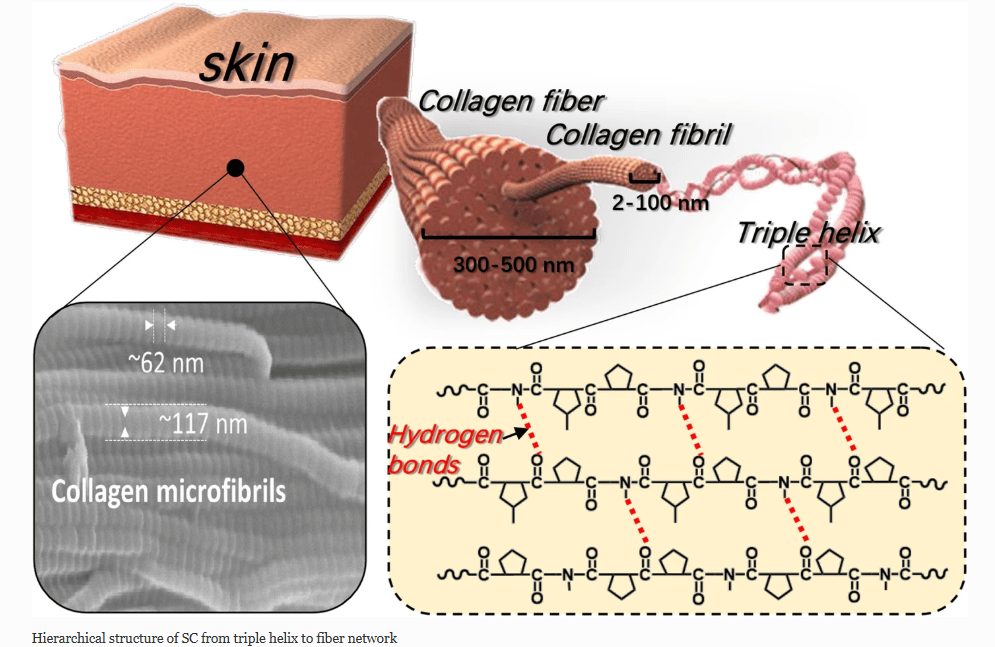
From: Han et al (2021) Recent advances in skin collagen: functionality and non-medical applications
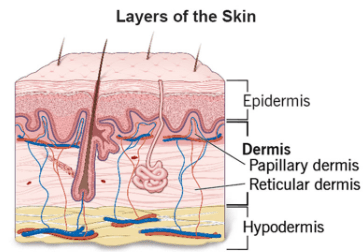
Skin Collagen is a scleroprotein (not water soluble) and a major structural protein found throughout the body, including in skin (Fig. 2), hair, nails, tendons and bones. Much collagen in the body, including in the skin, is long-lived. One estimate of human skin collagen half-life suggested 14.8 years. Specifically, type I and type III collagen are found in abundance in the skin. Elastic fibers also play an important structural role within the dermis. Elastic fibers are composed of elastin and fibrillin microfibrils. In contrast to collagen, the biochemical configuration of elastin allows for gliding, stretching, and recoiling of fibers. The reticular dermis comprises thick elastic fibers. Two subtypes of elastic fibers are noteworthy: elaunin and oxytalan fibers. Elaunin fibers are horizontally arranged elastic fibers found near the junction of the papillary and reticular dermis. Oxytalan fibers are perpendicular elastic fibers found in the papillary dermis. Fibers work alongside substances like glycosaminoglycans (GAGs), such as hyaluronic acid, to maintain skin elasticity, volume, and moisture. While the body naturally produces collagen using amino acids from foods like beans and tofu, production declines with age and can be further reduced by sun exposure and poor diet.
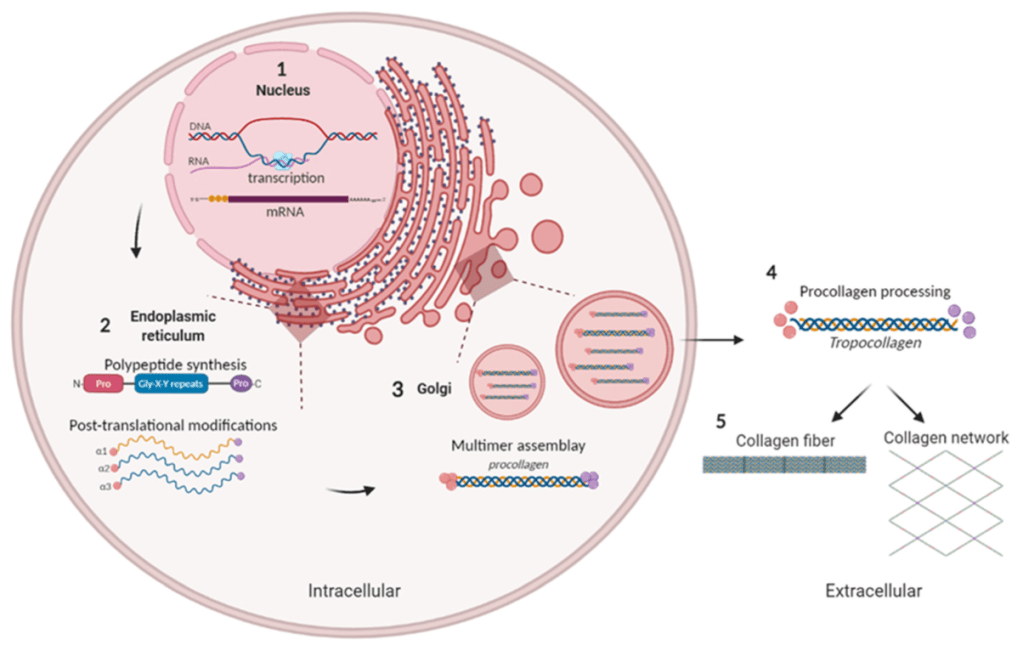
From Alcaide-Ruggiero et al (2021). Schematic representation of collagen biosynthesis. (1) Gene transcription. (2) Formation of α-chains. (3) Formation of triple helix procollagen and secretion into extracellular space. (4) Procollagen processing and formation of tropocollagen (non-soluble form of collagen). (5) Association of tropocollagen molecules to form collagen structures.
Many forms of collagen, such as type I, are abundant through a range of tissues and are fundamental structural building blocks. Type I collagen is the main component of fibrils that provide tissues with tensile strength. Type I collagen is a heterotrimeric protein assembled from the two α1(I) and one α2(I) polypeptides when they fold into a triple helix. After secretion of procollagen into the extracellular space, the terminal domains are removed by proteolytic cleavage and the rodlike triple helices of the central domain polymerize into fibrils and are covalently cross-linked.
Type I collagen is the most abundant collagen type in the skin, accounting for 80–85% of the dermal ECM. Other subtypes, like type III and type V collagen, can be found in skin, but type I collagen is fundamental to skin structure; it supplies considerable tensile strength and helps to determine the structure and durability of the dermis. As skin ages, there is a progressive loss, damage, and fragmentation of dermal collagen fibrils, leading to reduced skin thickness and biomechanical strength.
Type I collagen is also one of the longest-lasting of the long-lived protein in humans, and is a major fibrillar component of connective tissues such as skin, bone, and tendons. It has a triple-helix structure composed of two α1 chains encoded by the Collagen type I alpha 1 chain (COL1A1) gene and one α2 chain encoded by the Collagen type I alpha 2 chain (COL1A2) gene. Among these, COL1A1 expression has been identified as a biomarker of skin aging, as its levels decline with age. This organization of collagen along with other fibrils and matrix molecules endows connective tissues with mechanical strength and elasticity.
Collagen genetics
The COL1A1 gene provides instructions for making part of type I collagen. A component of type I collagen called the pro-α1(I) chain is produced from the COL1A1 gene. Collagens begin as rope-like procollagen molecules that are each made up of three chains. Type I collagen is composed of two pro-α1(I) chains and one pro-α2(I) chain (which is produced from the COL1A2 gene).
The triple-stranded procollagen molecules are processed by enzymes in a series of steps inside and outside the cell to create mature collagen. The collagen molecules then arrange themselves into long, thin fibrils that form stable interactions (cross-links) with one another in the spaces between cells. The cross-links result in the formation of very strong type I collagen fibers.
Industry funded pharmaceutical and supplement studies are often flawed
While collagen drinks, supplements, topical products and even prescription pharmaceuticals have gained market traction for their promised skin benefits, the stark difference between the overall results and the subgroup findings underscores how industry funding and study quality can sway outcomes, a longstanding concern in nutrition, pharmaceutical, and supplement research. Sadly, many medicines and supplements don’t work, including those for dermatological use. Allen Rogers, PharmD, worldwide vice president of genetics at Glaxo SmithKline, is reported on the front page of the Independent (8 December, p 1) as saying: “Our drugs don’t work on most patients.”
Confounding these studies of collagen, most of the trials used commercially available supplements that contained more than hydrolyzed collagen (amino acids), including vitamins, minerals, antioxidants, coenzyme Q10, hyaluronic acid and chondroitin sulfate were among the additional ingredients.
Too much amino acid consumption is bad for health, including heart health
Scientists have discovered a molecular mechanism by which excessive dietary protein could increase atherosclerosis risk. For example, amino-acid-mediated mammalian target of rapamycin (mTOR) signalling in macrophages has been implicated in the pathogenesis of ischemic cardiovascular disease. Specifically, ingestion of protein or amino acids in excess of ∼22% of dietary energy requirements drives atherosclerosis.
Further, an unbalanced, unnatural increased intake of one or more amino acids can cause imbalance in amino acid concentrations in the body, increase concentrations of its metabolites, and affect the transport of a group of amino acids into cells due to competition for a carrier at the cell membrane. The phenomenon of carrier competition can affect absorption of other amino acids in the gut and subsequently their appearance in the blood, transport across the blood-brain barrier, and supply for protein synthesis. Proteinopathies may result, leading to degenerative disorders. For example, too much leucine consumption can decrease autophagy in the brain. Autophagy, a cellular process of waste and debris removal, is known to decrease proteinopathy, and therefore too much leaucine may potentially lead to the buildup of toxic metabolites and neurodegeneration.
Summary
Skip the supplements made from hydrolyzed collagen. Eating a variety of plant-based protein sources—such as beans, soy, legumes and quinoa—means your body will have the amino acids it needs to make collagen, while also providing Vitamin C and antioxidants, all of which are important to the health status of the skin, particularly collagen formation and protection of the long-lived collagen.


 Dr. Greg Maguire's Skin Care