The safety and benefits of soy ingredients, that preferentially activate beta estrogen receptors (ER-beta), have been known by scientists for decades. It’s time for the rest of the world to catch-up to what scientists understand.
Formulating skin care products containing various soy derivatives has led a number of people to ask me why I would use these products when there are concerns about their health risks. Unfortunately, a hysterical mass media has promulgated these ignorant ideas and social media spreads these false concerns faster and more broadly than a raging wildfire. This is something Dr. Elaine Showalter, Ph.D. taught us about back in the 1990s in her book, Hystories: Hysterical Epidemics and Modern Culture. Sadly, the phenomenon is much worse thirty years hence, benefitting the billionaire media moguls who spread alarming falsehoods with their biased algorithms, but confusing most of the rest. So let’s look at soy benefits in general first, and then I’ll describe their benefits in the skin. Once you read this, you’ll understand why I formulate with soy-based ingredients.
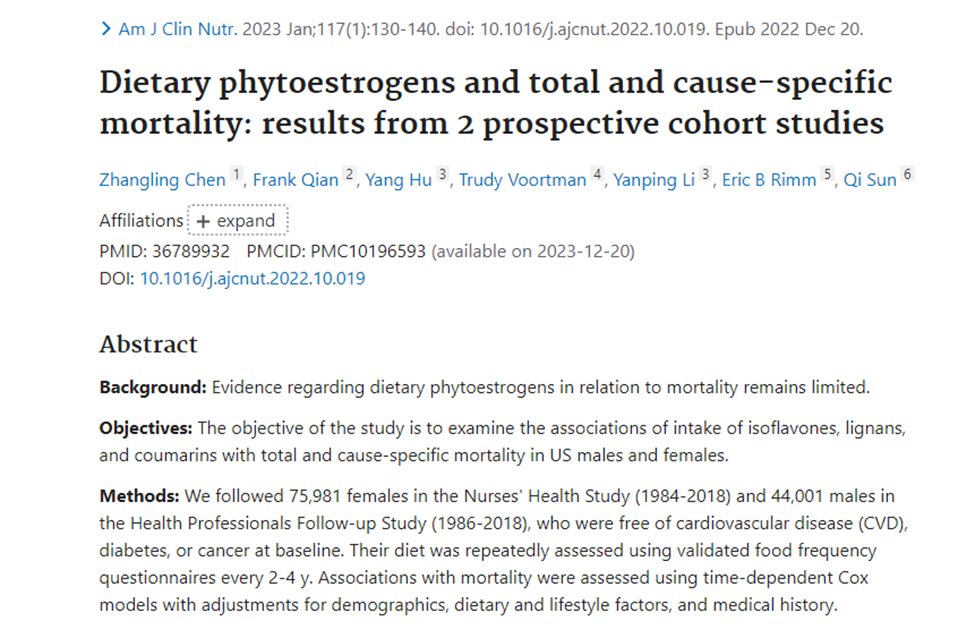
Let’s start with a study about the benefits of soy to general health, from Chen et al (2023) at Harvard Public Health, in a PubMed listed journal, “A higher intake of total phytoestrogens, including isoflavones, lignans, and coumarins, and foods rich in these compounds was associated with lower risk of total and certain cause-specific mortality in generally healthy US adults. These data suggest that these phytochemicals and their dietary sources may be integrated into an overall healthy diet to achieve a longer life span.” This was a large study, following nearly 76,000 women.
Soy contains compounds called isoflavones, which can act as antioxidants in the human body. Antioxidant activity may be responsible for the apparent correlation between soy consumption and lower lipid peroxidation, which can reduce the risk of arterial plaques. Higher antioxidant consumption is also associated with decreased cancer risk.
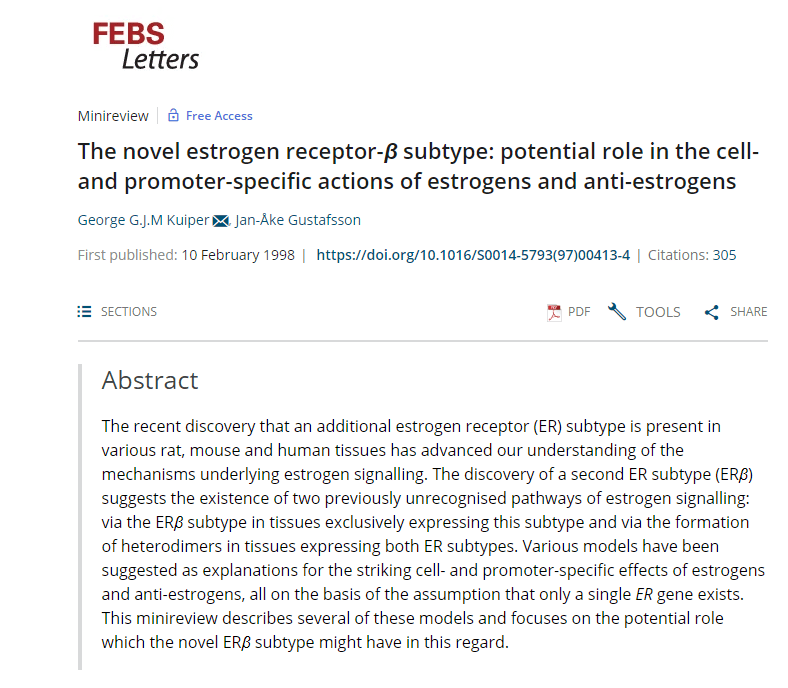
The three major isoflavones in soy—genistin, daidzin, and glycitin—all have weak estrogenic effects, acting primarily at ER-beta. Known as phytoestrogens, these compounds produce pro- or anti-estrogenic effects by binding to estrogen receptors in the body. Whereas human estrogens bind to both estrogen receptor alpha (ERα) and estrogen receptor beta (ERβ), phytoestrogens prefer ERβ, which accounts for the variations in how they affect different tissues. For this reason, phytoestrogens are referred to as selective estrogen receptor modulators, or SERMs. Selective estrogen receptor modulators affect some cells because the cells have specific estrogen receptors, while other cells are not affected because of different receptor types.

Soy derived isoflavones affect those estrogen receptors that are involved in positive effects – the ERβ subtype that is not involved in cancer. Soy blocks estrogenic effects associated with cancer because the isoflavones block ERα without activating it. Soy is inhibitory to the ill-effects of ERα.
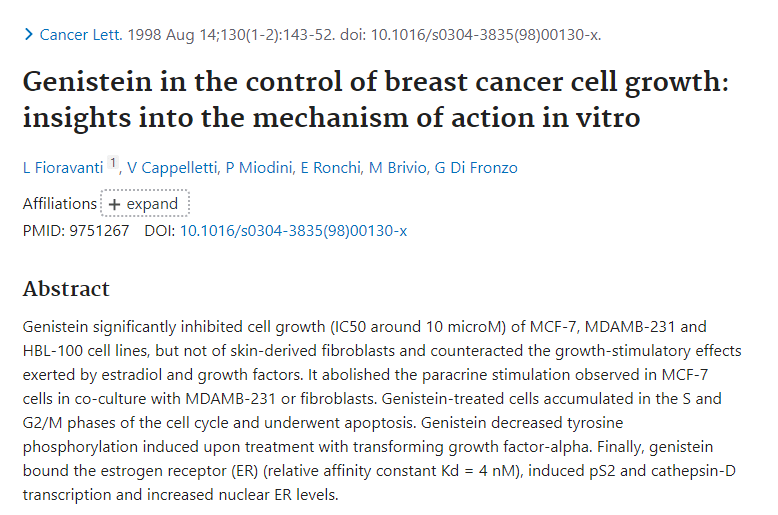
Soy actually controls the growth of cancer cells.
Many studies have reported the anti-cancer effects of soy, for example:

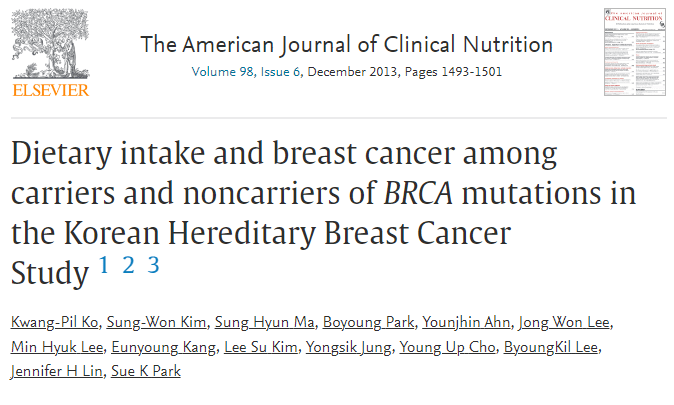
The intake of soybean products in those with BRCA mutation decreased breast cancer risk 47% more than the expected risk.
The point here is that soy is safe, and beneficial in many ways including in better building bone:
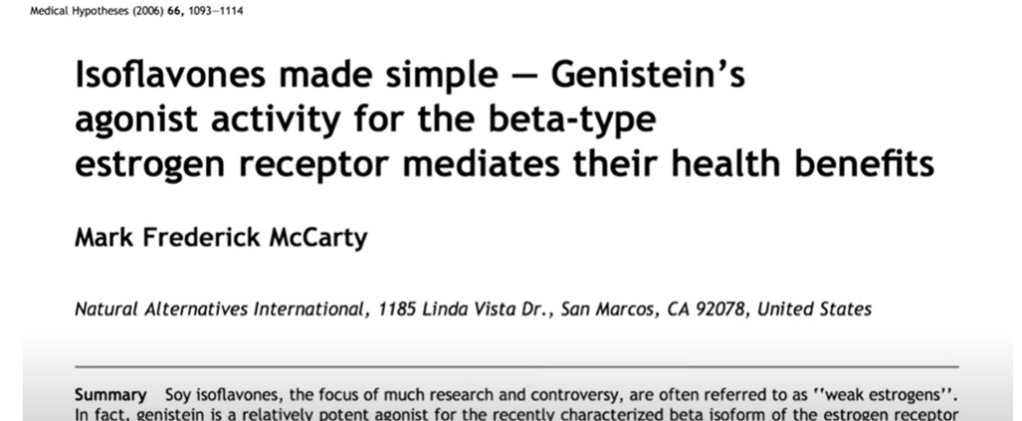
Scientists in Germany showed how phytoestrogens (soy) preferentially activate ERβ:
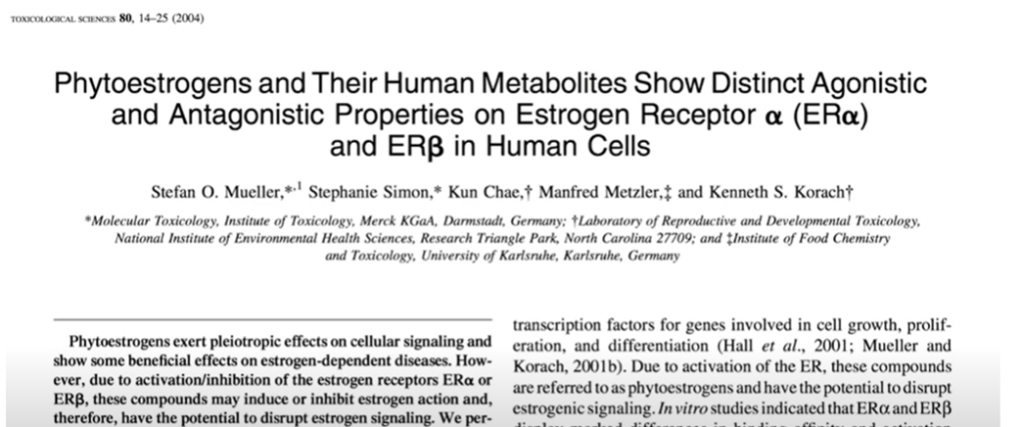
ERβ is not located in liver or uterus, where the negative effects of estrogen have been found. Liver contains only ERα, as does the uterus. The skin contains mostly ERβ
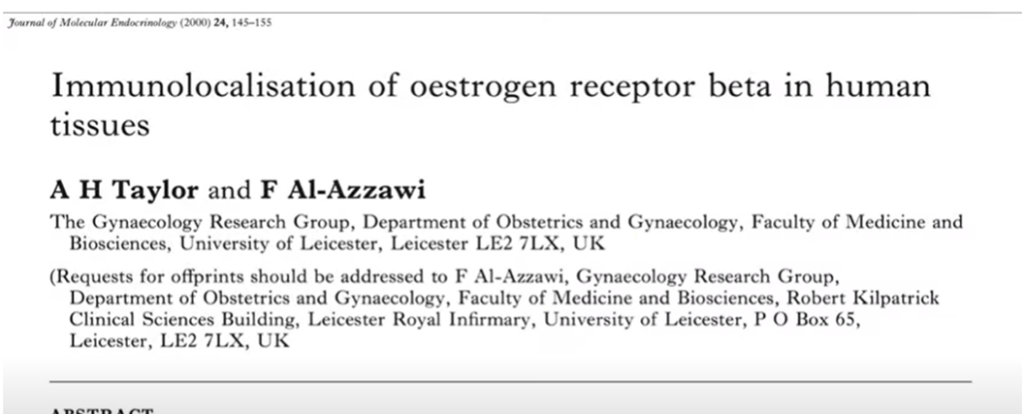
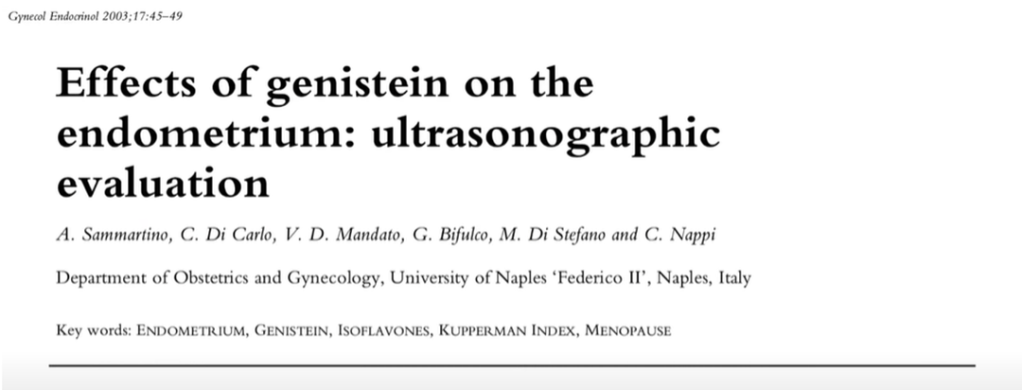
Physiological levels of ingested phytoestrogens are safe for the uterus:
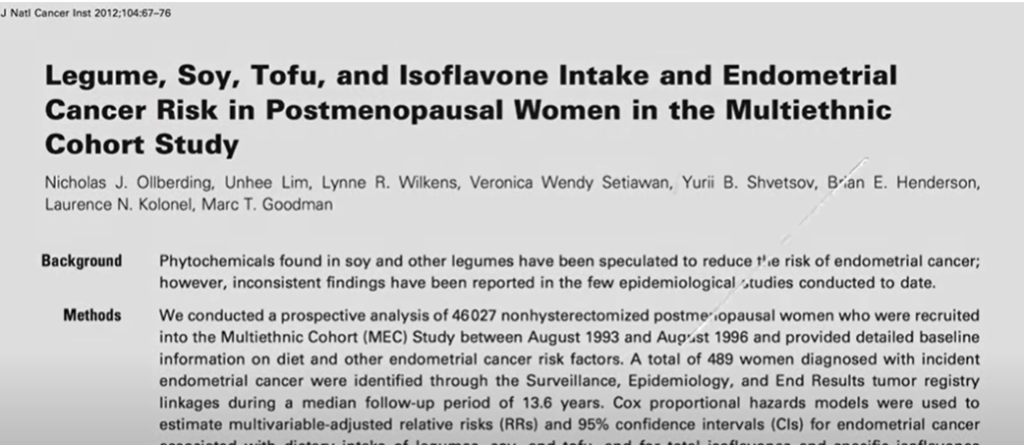
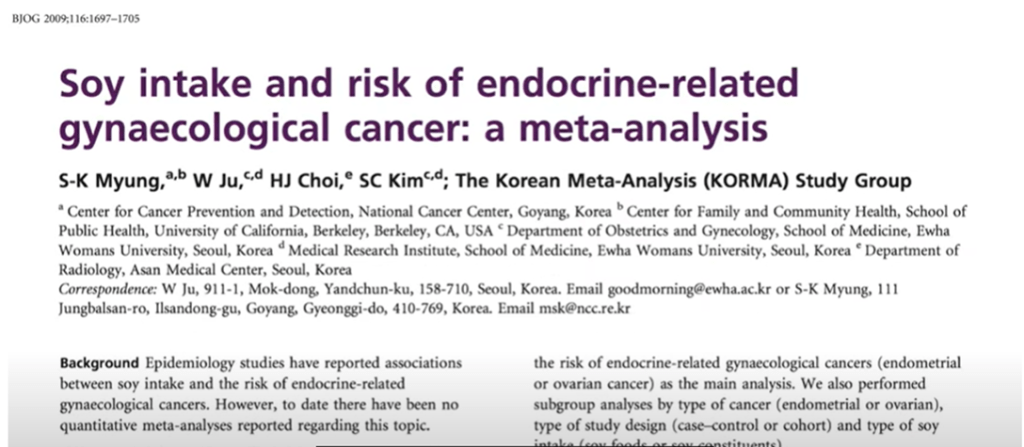
Women consuming the highest levels of soy greatly decreased their chances of cancer:
Soy consumption lessens the ill-effects of menopause:
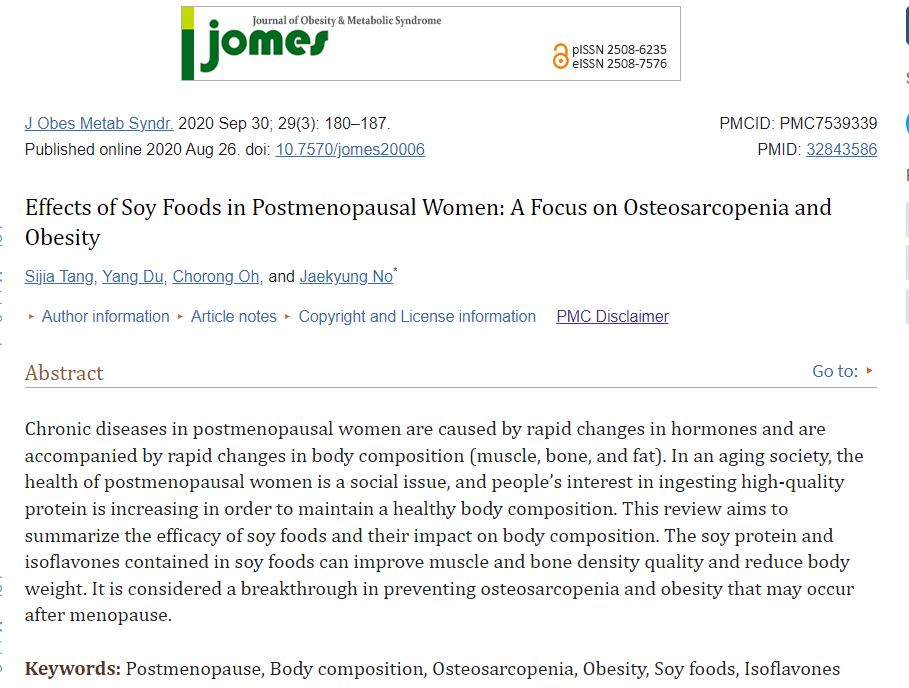
Postmenopausal women benefit greatly from soy consumption, including better bones and muscle mass, and improved weight.
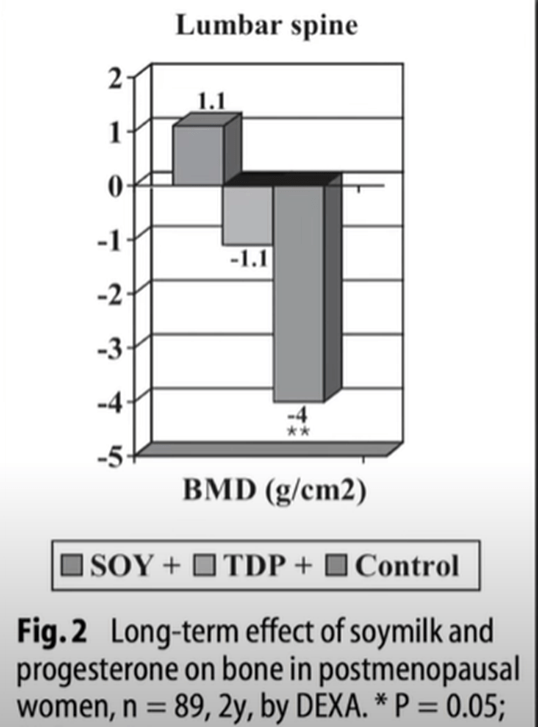
Here’s a two year study of soy milk versus progesterone or doing nothing (control) for preventing bone loss:
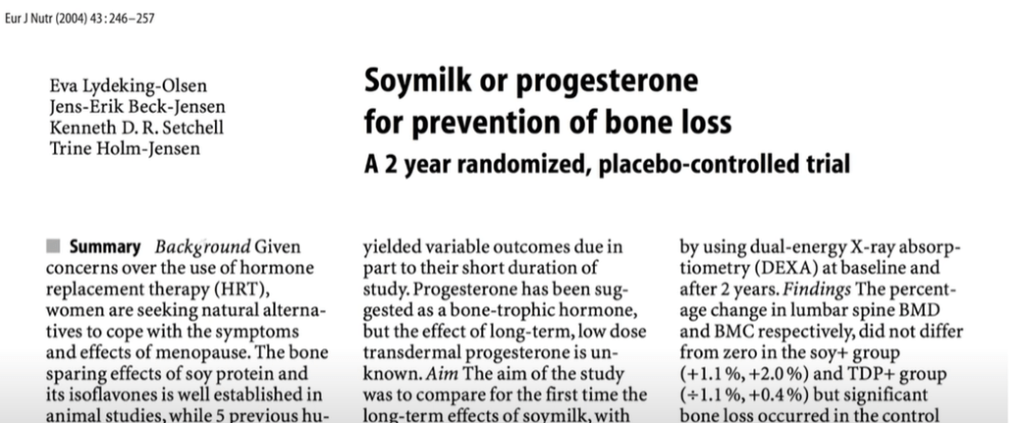
The results find that soy is better than progesterone or doing nothing
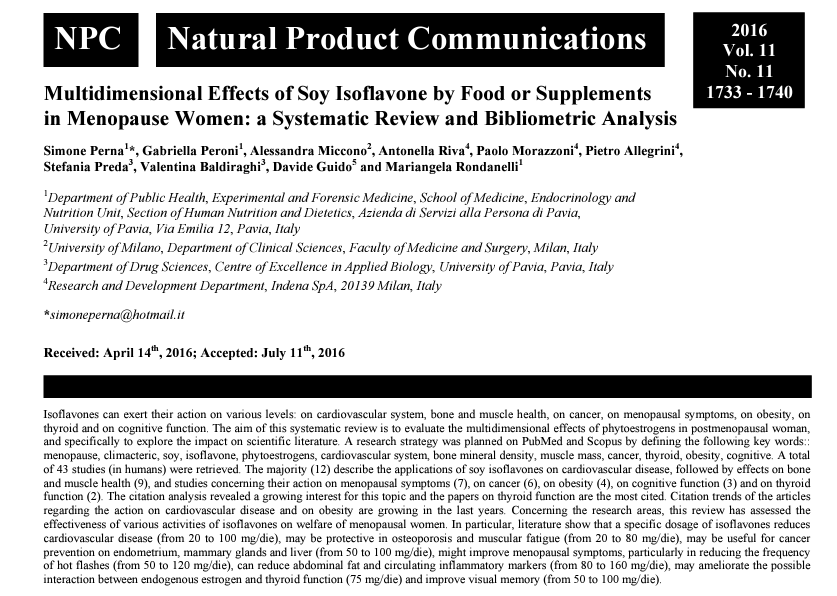
The benefits of soy are wide-ranging and documented throughout the world:
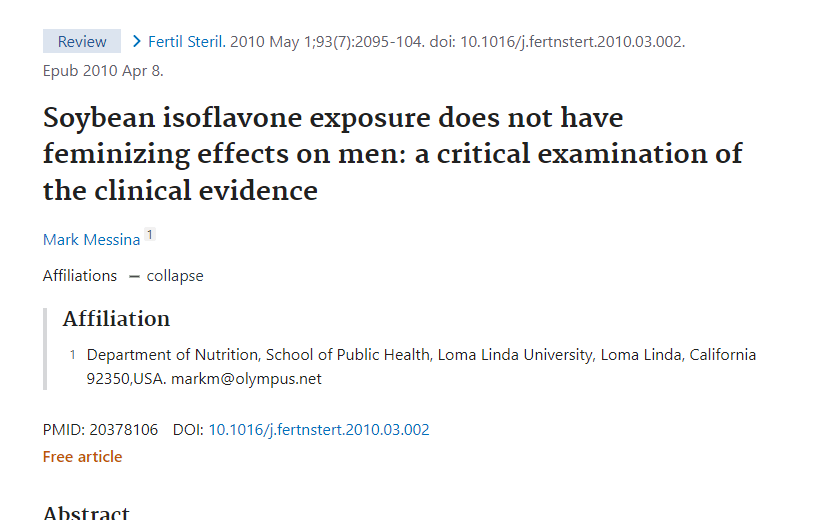
Soy does not feminize men – how many times have I heard this nonsense?
Soy is beneficial to children, and may decrease their incidence of cancer:

Soy benefits breast cancer survivors:

Conclusions: In this large, ethnically diverse cohort of women with breast cancer living in North America, a higher dietary intake of isoflavone was associated with reduced all-cause mortality.
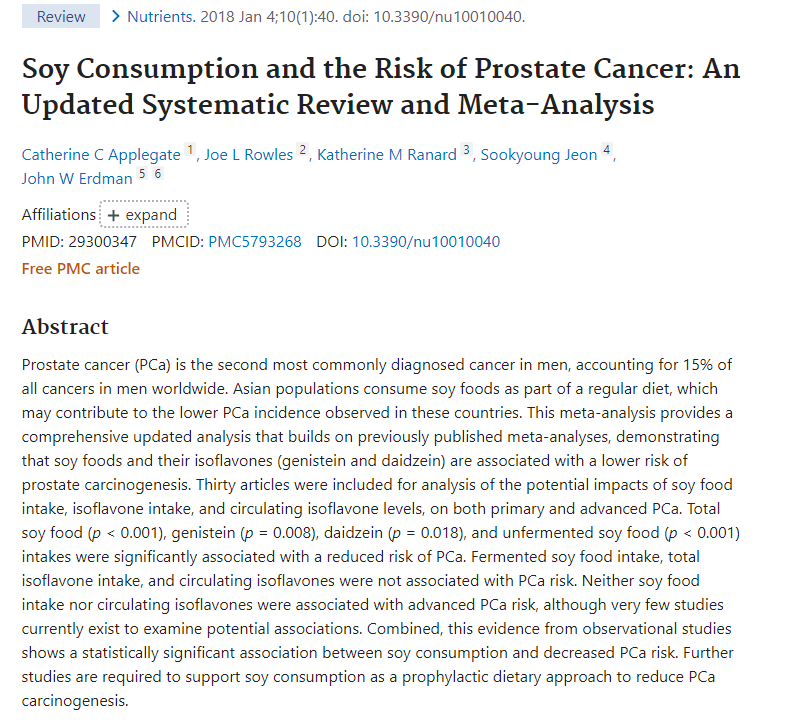
Soy reduces the risk of prostate cancer in men:
Another study of bone loss:
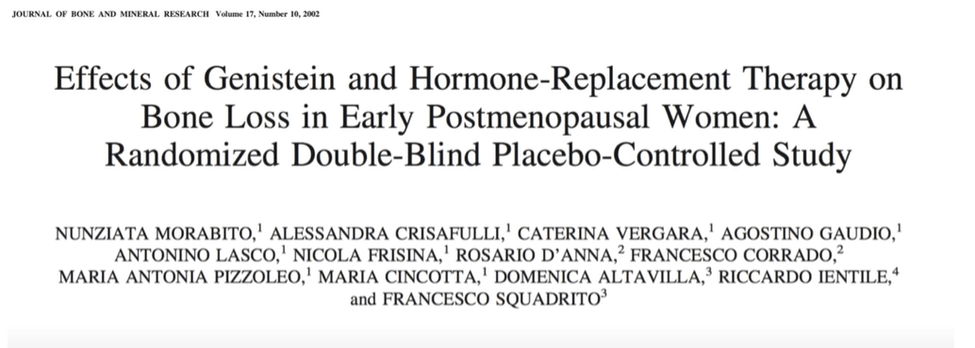
Results: Phytoestrogen increases bone mass equal to or better than HRT:
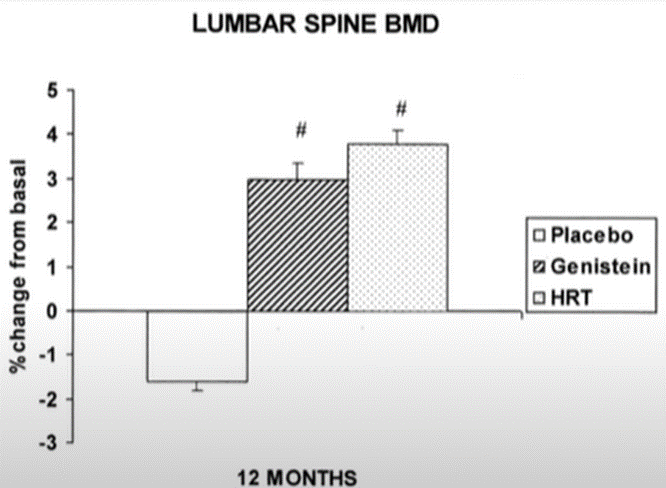
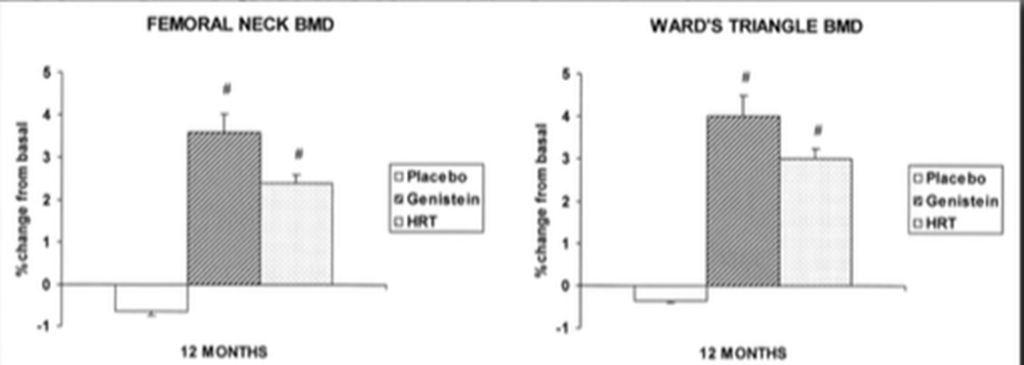
And this means soy lessens the chance of bone fracture in menopausal women:
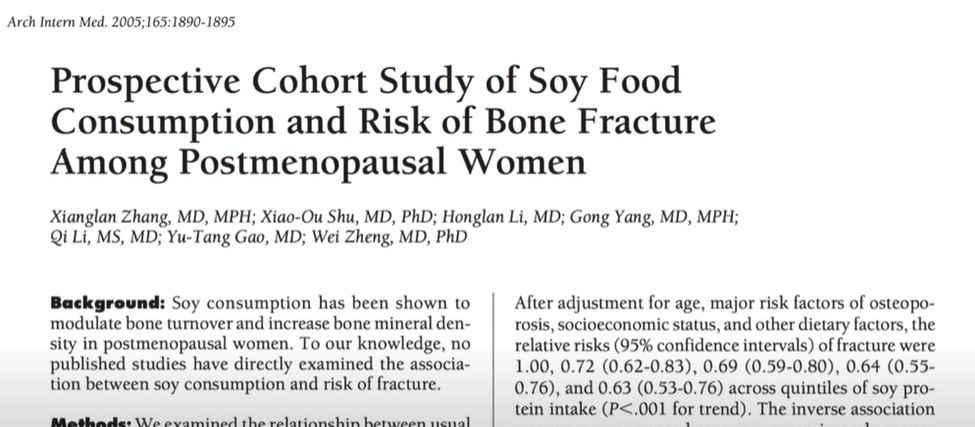

Soy also benefits the skin:
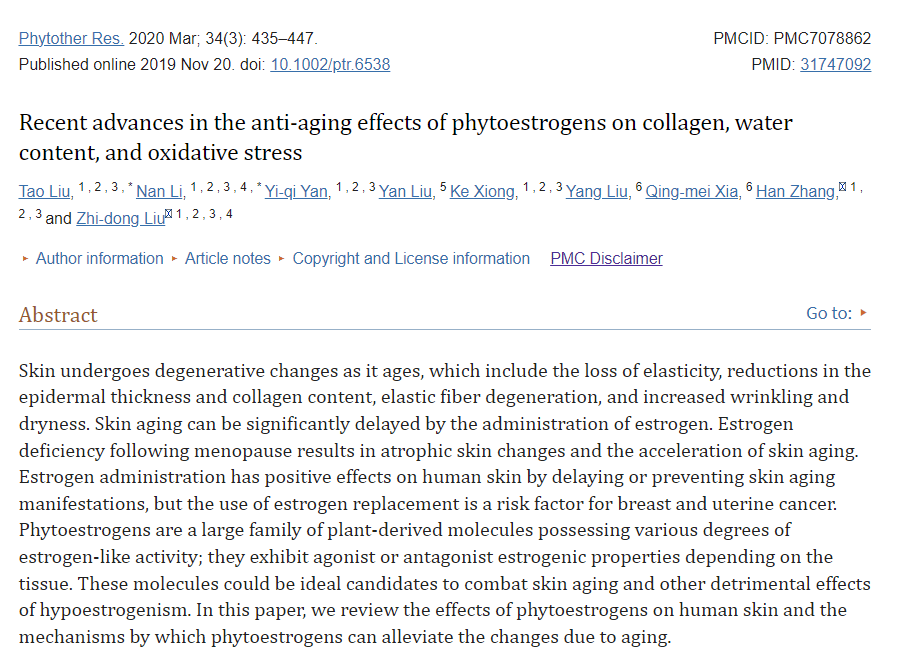
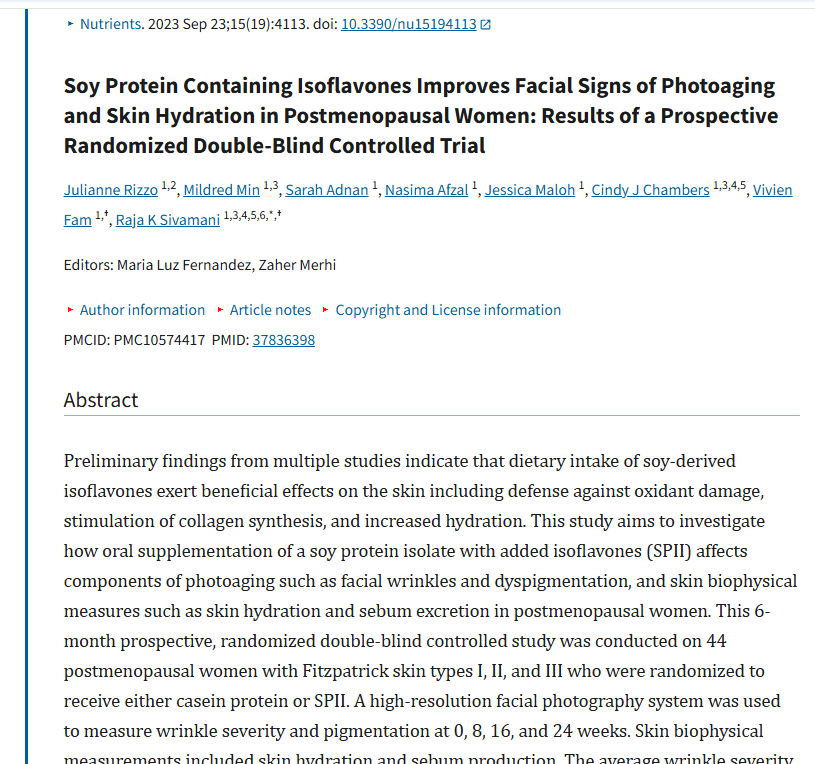
Dietary soy protein supplementation with isoflavones may improve skin photoaging, including wrinkles and dyspigmentation, and increase skin hydration in postmenopausal women
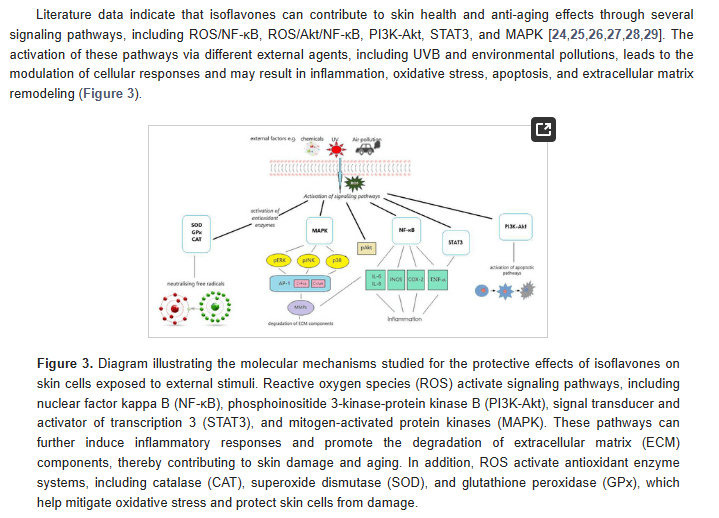
The mechanisms of action through which isoflavones in soy benefit the skin are many:
Summary
Organic soy is a great addition to the diet and beenfits the body in many ways, especially as we age and estrogen levels in the body, including the skin, decline. Evidence even indicates it has anti-cancer properties.
 Dr. Greg Maguire's Skin Care