Forget the Collagen Supplements for Skin Health – It’s All Pay to Play When the Studies Are Analyzed

A new study analyzing 23 randomized clinical trials with 1474 participants has found that “collagen supplements” significantly improved skin hydration, elasticity, and wrinkles only if you include data from physician-investigators who were paid by pharmaceutical/supplement companies. However, an analysis of studies not receiving funding from pharmaceutical companies revealed no effect of collagen supplements for improving skin hydration, elasticity, and wrinkles, while those receiving funding from pharmaceutical companies did show significant effects. Similarly, high-quality studies of “collagen supplements” revealed no significant effect in all categories, while low-quality studies revealed a significant improvement in elasticity.
No evidence that collagen supplements improve skin health

First, “collagen supplements” don’t contain collagen – they contain hydrolyzed collagen, otherwise known as amino acids. Moreover, most “collagen supplements” contain many ingredients other than the hydrolyzed collagen. A new meta-analysis by scientists at two major universities casts doubt on the effectiveness of “collagen supplements” for improving signs of skin aging, raising questions about the role of industry-funded research in shaping health and wellness trends. As the authors conclude, “There is currently no clinical evidence to support the use of “collagen supplements” to prevent or treat skin aging.” This is nothing new. Many studies in the pharmaceutical and supplement industries are flawed, frequently using fraudulent data, to sell their products that actually don’t work.

Often times, pharma and supplement companies hire ghostwriters to perform and write-up the study. Then the company finds a physician who will put their name on the byline. The physician didn’t have anything to do with the study and had nothing to do with writing the study. Ghostwriting is a big problem, and growing. For example, “first author” of a medical paper on Vioxx, Jeffrey Lisse, M.D., has said in an interview that “Merck designed the trial, paid for the trial, ran the trial…Merck came to me after the study was completed and said, ‘We want your help to work on the paper.’ The initial paper was written at Merck (ghostwritten), and then it was sent to me for editing.” In other words, Mr. Lisse was not an author of the study but was paid to pretend he was. Not only were his actions immoral, they were dangerous. Vioxx was later removed from the market because it significantly increases cardiovascular adverse events – people died from heart attacks. As physician Adriane Fugh-Berman, M.D., professor at Georgetown University School of Medicine and PharmedOut, has said about ghostwriting, “But there’s also the fact that this is so common that it’s not considered unusual. There’s no shame attached to it.” The point here is that many studies of drugs and supplements are flawed, some are fraudulent, and the studies of collagen supplements seem to be highly flawed.

Collagen and its importance to skin function and health
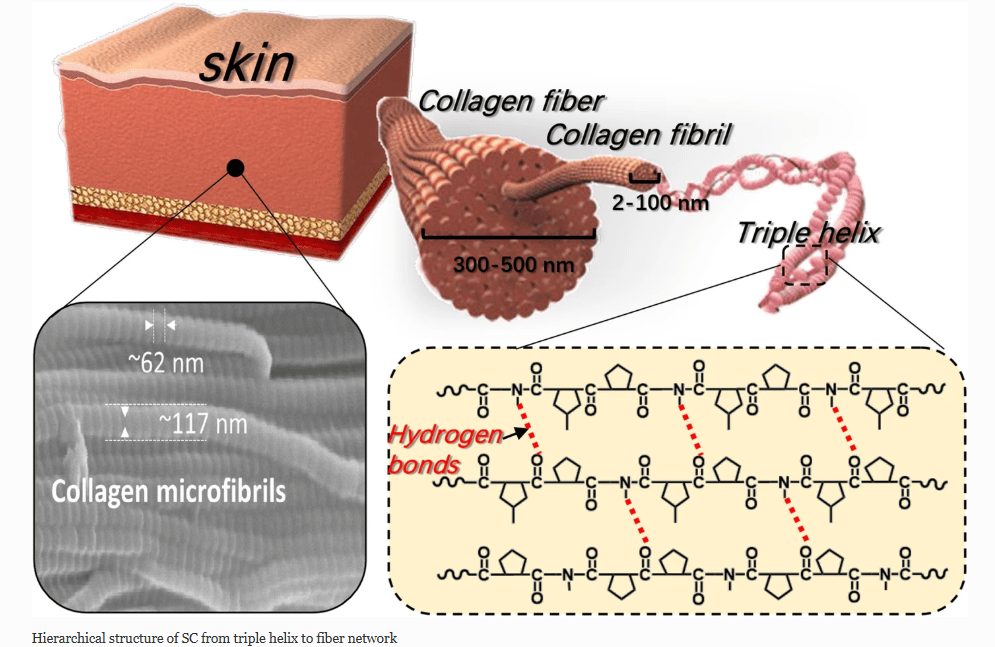
From: Han et al (2021) Recent advances in skin collagen: functionality and non-medical applications

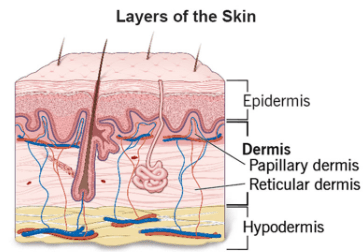
Skin Collagen is a scleroprotein (not water soluble) and a major structural protein found throughout the body, including in skin (Fig. 2), hair, nails, tendons and bones. Much collagen in the body, including in the skin, is long-lived. One estimate of human skin collagen half-life suggested 14.8 years. Specifically, type I and type III collagen are found in abundance in the skin. Elastic fibers also play an important structural role within the dermis. Elastic fibers are composed of elastin and fibrillin microfibrils. In contrast to collagen, the biochemical configuration of elastin allows for gliding, stretching, and recoiling of fibers. The reticular dermis comprises thick elastic fibers. Two subtypes of elastic fibers are noteworthy: elaunin and oxytalan fibers. Elaunin fibers are horizontally arranged elastic fibers found near the junction of the papillary and reticular dermis. Oxytalan fibers are perpendicular elastic fibers found in the papillary dermis. Fibers work alongside substances like glycosaminoglycans (GAGs), such as hyaluronic acid, to maintain skin elasticity, volume, and moisture. While the body naturally produces collagen using amino acids from foods like beans and tofu, production declines with age and can be further reduced by sun exposure and poor diet.
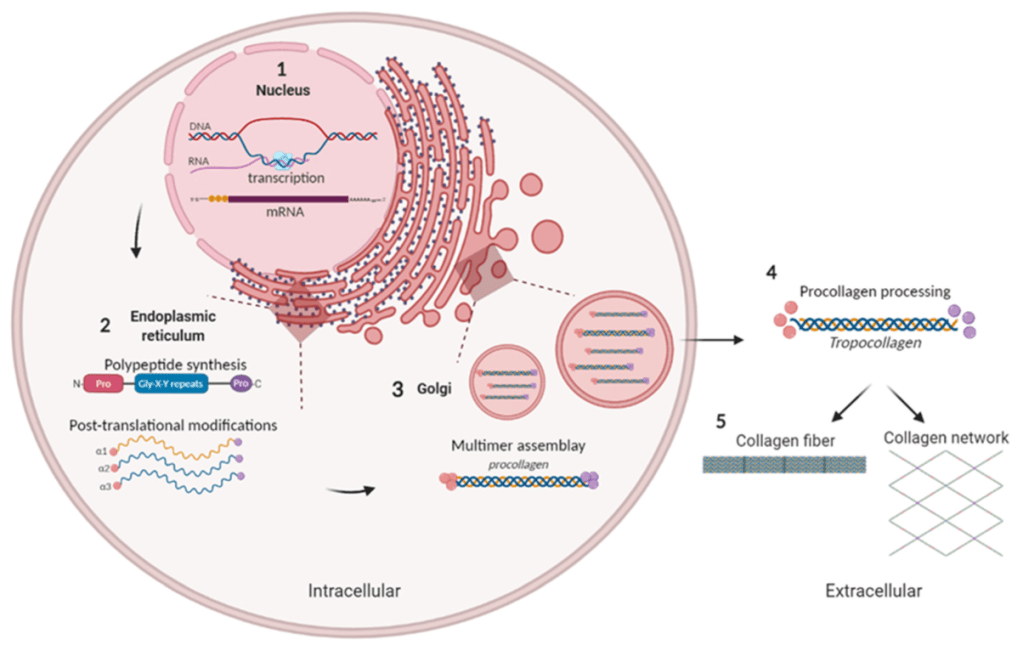
From Alcaide-Ruggiero et al (2021). Schematic representation of collagen biosynthesis. (1) Gene transcription. (2) Formation of α-chains. (3) Formation of triple helix procollagen and secretion into extracellular space. (4) Procollagen processing and formation of tropocollagen (non-soluble form of collagen). (5) Association of tropocollagen molecules to form collagen structures.

Many forms of collagen, such as type I, are abundant through a range of tissues and are fundamental structural building blocks. Type I collagen is the main component of fibrils that provide tissues with tensile strength. Type I collagen is a heterotrimeric protein assembled from the two α1(I) and one α2(I) polypeptides when they fold into a triple helix. After secretion of procollagen into the extracellular space, the terminal domains are removed by proteolytic cleavage and the rodlike triple helices of the central domain polymerize into fibrils and are covalently cross-linked.

Type I collagen is the most abundant collagen type in the skin, accounting for 80–85% of the dermal ECM. Other subtypes, like type III and type V collagen, can be found in skin, but type I collagen is fundamental to skin structure; it supplies considerable tensile strength and helps to determine the structure and durability of the dermis. As skin ages, there is a progressive loss, damage, and fragmentation of dermal collagen fibrils, leading to reduced skin thickness and biomechanical strength.

Type I collagen is also one of the longest-lasting of the long-lived protein in humans, and is a major fibrillar component of connective tissues such as skin, bone, and tendons. It has a triple-helix structure composed of two α1 chains encoded by the Collagen type I alpha 1 chain (COL1A1) gene and one α2 chain encoded by the Collagen type I alpha 2 chain (COL1A2) gene. Among these, COL1A1 expression has been identified as a biomarker of skin aging, as its levels decline with age. This organization of collagen along with other fibrils and matrix molecules endows connective tissues with mechanical strength and elasticity.

Collagen genetics

The COL1A1 gene provides instructions for making part of type I collagen. A component of type I collagen called the pro-α1(I) chain is produced from the COL1A1 gene. Collagens begin as rope-like procollagen molecules that are each made up of three chains. Type I collagen is composed of two pro-α1(I) chains and one pro-α2(I) chain (which is produced from the COL1A2 gene).

The triple-stranded procollagen molecules are processed by enzymes in a series of steps inside and outside the cell to create mature collagen. The collagen molecules then arrange themselves into long, thin fibrils that form stable interactions (cross-links) with one another in the spaces between cells. The cross-links result in the formation of very strong type I collagen fibers.

Industry funded pharmaceutical and supplement studies are often flawed

While collagen drinks, supplements, topical products and even prescription pharmaceuticals have gained market traction for their promised skin benefits, the stark difference between the overall results and the subgroup findings underscores how industry funding and study quality can sway outcomes, a longstanding concern in nutrition, pharmaceutical, and supplement research. Sadly, many medicines and supplements don’t work, including those for dermatological use. Allen Rogers, PharmD, worldwide vice president of genetics at Glaxo SmithKline, is reported on the front page of the Independent (8 December, p 1) as saying: “Our drugs don’t work on most patients.”

Confounding these studies of collagen, most of the trials used commercially available supplements that contained more than hydrolyzed collagen (amino acids), including vitamins, minerals, antioxidants, coenzyme Q10, hyaluronic acid and chondroitin sulfate were among the additional ingredients.

Too much amino acid consumption is bad for health, including heart health

Scientists have discovered a molecular mechanism by which excessive dietary protein could increase atherosclerosis risk. For example, amino-acid-mediated mammalian target of rapamycin (mTOR) signalling in macrophages has been implicated in the pathogenesis of ischemic cardiovascular disease. Specifically, ingestion of protein or amino acids in excess of ∼22% of dietary energy requirements drives atherosclerosis.

Further, an unbalanced, unnatural increased intake of one or more amino acids can cause imbalance in amino acid concentrations in the body, increase concentrations of its metabolites, and affect the transport of a group of amino acids into cells due to competition for a carrier at the cell membrane. The phenomenon of carrier competition can affect absorption of other amino acids in the gut and subsequently their appearance in the blood, transport across the blood-brain barrier, and supply for protein synthesis. Proteinopathies may result, leading to degenerative disorders. For example, too much leucine consumption can decrease autophagy in the brain. Autophagy, a cellular process of waste and debris removal, is known to decrease proteinopathy, and therefore too much leaucine may potentially lead to the buildup of toxic metabolites and neurodegeneration.

Summary

Skip the supplements made from hydrolyzed collagen. Eating a variety of plant-based protein sources—such as beans, soy, legumes and quinoa—means your body will have the amino acids it needs to make collagen, while also providing Vitamin C and antioxidants, all of which are important to the health status of the skin, particularly collagen formation and protection of the long-lived collagen.
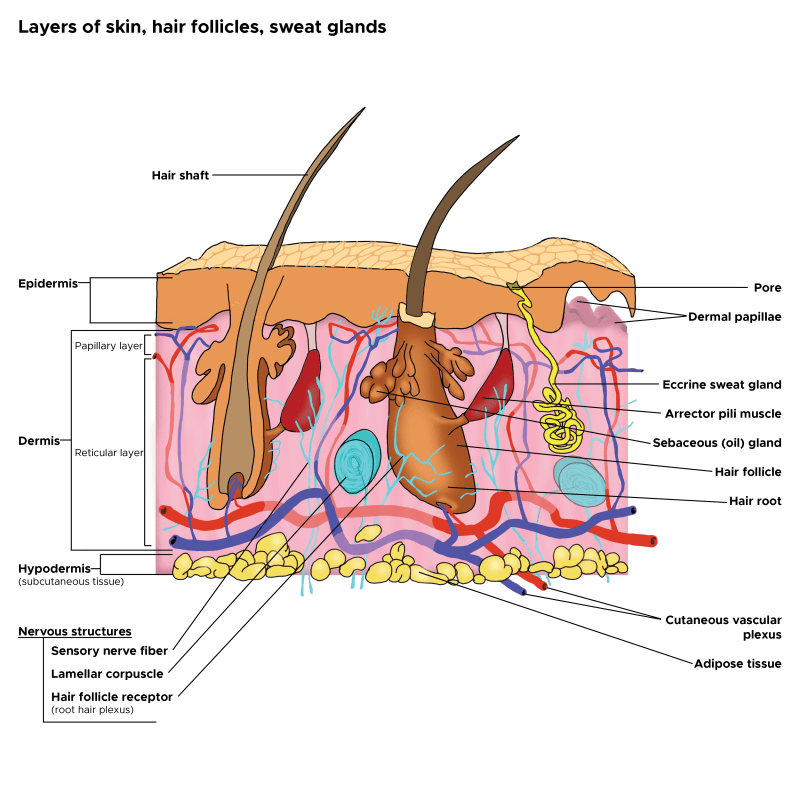
Skin Pores – Reducing Their Size

Many endogenous and exogenous factors are known to cause enlarged pilosebaceous pores. Such factors include sex, ageing, diet, chronic ultraviolet light exposure, comedogenic xenobiotics, acne, genetic and epigenetic predisposition, and seborrhoea. Most of these causative factors of enlarged pores, being exogenous and controlled by enironmental factors, means you can do something about it. There are procedures and topical products you can use to reduce pore size.

From: Yousef et al (2024)

Although the pathogenesis of enlarged facial pores is still not fully understood, three factors are thought to be key to the pathology: 1) high sebum production, 2) decreased skin elasticity around pores, and 3) increased hair follicle volume. Other factors, including chronic recurrent acne, diet, sex hormones, and skin care regimens, such as inappropriate use of cosmetics, modern Western diets, washing habits, and sun exposure, also affect pore enlargement. Many of these factors will affect the epigenetics of the skin and therefore the skin’s health and potentially pore size. Epigenetics are regulated by your environment, so there is much you can do to reduce enlarged pores.

Causes of Large Pore Size

In cross-sectioned images of conspicuous, enlarged pores, a strongly undulated epidermal–dermal junction was commonly observed around a pore’s opening. Areas with this feature correlated well to the areas with larger hollows and an uneven skin tone. (Sugata et al, 2007).

Recent clinical studies have confirmed the cause of facial pore size to be multifactorial. A positive correlation of pore size and number with sebum output level has been confirmed by several studies (Roh et al, 2006Kim et al, 2013). Enlarged pores increase with age, up to 40 years, and then stabilize or only slightly increase (Jung et al, 2018). Another significant correlation was detected between skin elasticity and pore number in two independent studies suggesting that the structure of dermis could be involved in pore widening (Kim et al, 2013; Hameed et al, 2019). Other observations found pore counts were related to wrinkle severity; and the loss of Microfibril-associated glycoprotein-1 in the hair follicle/pore area with aging and photo-exposure, indicating a lack of matrix support in the dermis (Zheng et al, 2013; Jung et al, 2018).

Both epidermal and dermal structual impairments have been identified as a cause of large pores. Microscopic imaging of pores revealed inner structural changes affecting skin, including a lower density of collagen in the deeper dermis, a thicker stroma and coarser collagen fibers forming a tubular structure around the follicle, and an irregular basement membrane ultrastructure, all of which may result in an altered distribution of skin tensions (Sugata et al, 2008;  Sugiyama-Nakagiri et al, 2008; Mizukoshi and Takahashi, 2014). These ultrastructural alterations may result from inflammation, and recent data suggest inflammaging, mediated by complement activation (immune system proteins), as one of the possible inflammatory agents in the formation of enlarged facial pores (Qiu et al, 2024). Bacteria, such as Staphlacoccus aureus, infect hair follicles and pores, and the question remains, does the inflammation with this sort of infection enlarge the pore. Defects in epidermal morphology around pores have also been discovered, such as epidermis thickening and acanthosis (thickening of the stratum spinosum layer), likely indicating abnormal and possibly excessive keratinocyte proliferation ( Mizukoshi and Takahashi, 2014).

Procedures to Reuce Pore Size

Procedures, such as Micro-focused ultrasound with visualization (MFU-V), have been found to reduce pore size. MFU-V uses focused ultrasound energy to lift and tighten the skin by delivering heat to specific tissue layers beneath the skin’s surface, stimulating collagen production and causing skin tightening according to The Journal of Clinical and Aesthetic Dermatology. The visualization aspect of the procedure allows practitioners to see the underlying tissue during treatment, ensuring precise targeting and optimal results.

Topical S2RM to Reduce Pore Size It’s Not Just the Exosome, It’s the Secretome

But are procedures needed to reduce pore size? No, the right choice of topical skin care products can significantly reduce pore size too. The secretome from adipose mesenchymal stem cells, something used in the NeoGenesis S2RM technology, significantly reduces pore size. That inflammation inducing the ultrastructual changes causing pores to enlarge can be reduced- reduce the inflammation with ADSC secretome found in the NeoGenesis S2RM technology. Remember, It’s Not Just the Exosome, It’s the Secretome that is optimal for reducing inflammation and regenerating tissue – including the tissue that constructs the pore. Changes of TEWL found that ADSC secretome can faciltate the recovery of the skin barrier function (Zhou et al, 2013), which can be explained by ADSC secretome normalizing the proliferation and migration of human primary keratinocytes as reported by Moon et al (2012). Both the epidermis (Ren et al, 2024) and dermis (Silveira et al, 2022) and hypodermis (An et al, 2021) are regenerated by ADSC secretome, with ADSC secretome containing collagen type IV needed to build the basment membrane, thereby regulating that “undulated epidermal–dermal junction” found to underly increased pore size.

I want to emphasie that inflammaging, inflammation that occurs as we age, is exposome induced. Those who eat well and live in an healthy envionment don’t suffer from inflammaging (Franck et al, 2025). As Franck et al write, “Inflammaging, as measured in this manner in these cohorts, thus appears to be largely a byproduct of industrialized lifestyles, with major variation across environments and populations.” In other words, if you live a healthy lifestyle, chronic inflammation, including inflammaging, is something you won’t suffer. This will reflect in your skin health, and your skin’s pore size.

Summary

Pore size in the skin depends on your envionment, your so-called exposome. Healthy skin is beautiful skin, including beautiful, healthy pores. Eat well to keep the skin healthy with sebum production levels normal and therefore reducing a risk factor for increased pore size. And the right choice of topical skin care products can help keep the skin healthy and pore size normal.

NeoGenesis’ New Vitamin C Product – Vibrant C Serum – Why It’s Different and Better

There are many topical vitamin C products on the market, but I needed to formulate something new because the other products are suboptimal for a number of reasons that I discuss here. Liposomal ascorbic acid is one reason the NeoGenesis vitamin C product, Vibrant C Serum, is better, and our built-in antioxidant cascade system is another.

Primates, including humans, cannot synthesize vitamin C. Most other mammals (except guinea pigs), including our cats and dogs, can produce vitamin C, but primates have lost this ability due to a beneficial genetic mutation. Primates evolved to eat mostly, if not exclusively, plants and therefore obtained all the vitamin C they needed through their diets. Look at those big, strong Gorillas, they eat only plants. We primates evolved to eat plants, loaded with C, all that we needed for optimal health, and so we eventually lost the genetics to make vitamin C. In other words, we mutated, and that pesky DNA sequence for making vitamin C was a waste of energy and therefore to be efficient, evolution of primates dropped the unneeded sequence. Pretty cool how mother nature is so efficient and evolution is such as great designer, doing so without a designer. Thinking teleogically, what she said was, “you eat so much vitamin C, you don’t need to make it anymore.”

Reasons Why the Skin May Not Have Adequate Vitamin C Levels

But that was then, and this is now. People don’t eat so well these days and are stressed-out, both of which can lead to suboptimal levels of vitamin C in the skin. Even if you eat sufficent levels of Vitamin C, the transporters of vitamin C from the blood vessels don’t work well under conditions of chronic inflammation – therefore those with chronic inflammation in the skin may not be receiving adequate levels of dietary vitaimin C required for both dermal and epidermal function. The blood vessels bringing the vitamin C to the skin are no longer transporting it out of the blood into the skin – the process has been decommissoned by inflammation in the skin.

Ascorbic Acid (Vitamin C) Doesn’t Easily Penetrate the Skin

Vitaimin C (VC) has a molecular weight of only 176.12 g/mol, but it is a hydrophillic small molecule and because it interacts with water and not lipids, it dosen’t penetrate the fatty stratum coreum very well. Many companies put high levels of VC in their products, but the VC just lays on the surface of the skin.

High Levels of Vitamin C on the Skin’s Surface Oxidize (DHA an Anti-inflammatory) But Still Provide No Benefit

That 15% VC product you’re using may just sit on the surface of your skin where it will oxidize. Dehydroascorbic acid (DHA) is the oxidized form of VC, and it too has anti-inflammatory benefits just as VC does. If only it would penetrate the skin and provide benefit. Oxidized VC in the DHA form has benefits and cells, such as keratinocytes, readily take up DHA to convert it back to VC, but it needs to penetrate to the cells (keratinocytes) in the skin to give benefit. If the DHA sits on the surface of the skin too long, it can further breakdown to oxalic acid that can irritate the skin.

For those who would like to know, DHA is reduced to ascorbic acid by cytosolic reductases GSH-NADPH-dependent, lipoic acid-NADH-dependent, and thioredoxin reductase. The bottom line is that both AA and DHA are important to the skin, but longer term oxidation of AA and DHA into oxalic acid is likely detrimental.

Liposomes Carry Vitamin C Into the Skin

You’ll notice lecithin as part of the ingredient list on the Vibrant C Serum. Lecithin is part of the ingredient combination involved in making the liposomes that encapsulate the ascorbic acid. The liposomes not only protect the ascorbic acid, but importantly, carry the ascorbic acid through the stratum corneum to the deeper layers of the skin. The liposomes act without disrupting the stratum corneum and epithelial barrier function. This is different from some other Vitamin C skin care products that use alcohol as a penetration enhancer. Alcohol, especially at high concentrations, disrupts the lipid structure of the stratum corneum and reduces barrier function.

For example, some products use 15% ascorbic acid, along with an alcohol called Ethoxydiglycol, a type of ethanol. They use over 15% alcohol in their formula because the ethoxydiglycol is listed before the ascorbic acid on the product’s ingredient list – this alcohol is used as a penetration enhancer and using a high level of this alcohol in the formulation can disrupt the corneum stratum and induce irritation. In other words, this product is disrupting the stratum corneum’s barrier function.

Positive Epigenetic and Cellular Effects of Vitamin C Once It’s Absorbed Into the Skin

When VC penetrates to the keratinocytes, remarkable and beneficial physiological processes occur.  VC increases epidermal thickness by promoting keratinocyte proliferation through the DNA demethylation of proliferation-related genes (Sato et al, 2025). This is an epigenetic effect, where VC helps to remove a methyl group that is attached to the DNA in the keratinocyte, so-called demethylation, and this allows the keratinocyte to proliferate. Part of what happens in life is that some of our DNA accumulates methyl group attachements, something that can “turn-off” the DNA. VC demethylates the DNA and turns it on again, allowing the keratinocyte to once again proliferate. It’s much more complicated than this, but for the keratinocytes this is the basic hypotheisis that scientists have brought forth.

In terms of the epidermis, L-ascorbic acid (vitamin C [VC]) is widely recognized for its antioxidant properties in the skin (Masaki, 2010), enhances collagen synthesis (Kishimoto et al, 2013), alleviates UV-induced damage to the epidermis (Kawashima et al, 2018), and inhibits melanin deposition (Sato et al, 2017). Long-term VC deficiency leads to epidermal atrophy in a mouse model with disrupted VC synthesis capabilities (Sato et al, 2012). VC promotes keratinocyte viability, induced expression of differentiation marker genes, and increased SC barrier lipids in monolayer or organotypic cultures of normal human keratinocytes (Boyce et al, 2002Michalak et al, 2021). Together, these data suggest that VC is critical to epidermal cell proliferation and differentiation.

Collagen and Matrix Formation

Vitamin C is also crucial for the production of collagen, a protein that helps to form your skin’s overall structure and barrier and enhances your skin’s elasticity. Collagen is an important building block of the skin. In addition to stabilising the collagen molecule by hydroxylation, vitamin C also stimulates collagen mRNA production by fibroblasts in the dermis yiedling more collagen and stable collagen. Hydroxylation of collagen is a critical post-translational modification where specific amino acids, proline and lysine residues, are hydroxylated, forming hydroxyproline and hydroxylysine, respectively. This process is vital for collagen’s structural integrity, stability, and proper function, particularly within the extracellular matrix. So, Vitamin C helps to stabilize the collagen that is present, as well as to help produce new collagen.

Skin collagen is a long-lived protein, having a long half-life that is estimated to be approximately 15 years, so some skin collagen can exist for much of your life. In young, healthy skin, the amount of enzymes, such as MMP (proteases) that breaks down collagen is low, and therefore, collagen degrades very slowly. However, as we age and more MMP is present, collagen ages, it starts to degrade and fragment. Unfortunately, the degraded and fragmented collagen cannot be incorporated into new collagen fibers and it accumulates within the extracellular matrix of the dermis. The presence of fragmented collagen remainders in aged dermis inhibits both fibroblast proliferation and type I procollagen synthesis by these cells, further degrading the dermis. 

It’s the supporting matrix, such as collagen and elastin, that gives the skin its tightness, thickness, and firmness, but over the years, it starts to break down. That’s why skin gets saggy and thin. Again, Vitamin C is one factor, a necessary factor, to protect collagen and to produce new collagen.

Using the Optimal Amount of Ascorbic Acid: Too Much Vitamin C Inhibits Elastin

Elastin helps form the dermal matrix and helps give elasticity to the skin. Like collagen, much of the eleastin is formed in the dermis by fibroblasts. Differential effects of ascorbic acid on collagen I and elastin mRNA abundance result from the combined, marked stabilization of collagen mRNA, the lesser stability of elastin mRNA, and the significant repression of elastin gene transcription. At NeoGenesis, we use a topical 5% of ascorbic acid, the natural form of Vitamin C, that has been found by scientists at major university in France to rebuld the skin’s ultratructure and provide clincially visible benefits to the skin, rebuilding collagen but not destroying elastin. Moreover, our stem cell-based S2RM technology stimulates fibroblasts to form collagen and elastin, a perfect complement to our Vitamin C product..

Notice we at NeoGenesis don’t use sodium ascorbate because sodium accululates in the skin and induces inflammation, including in skin conditions such as psoraisis and autoimmune diseases. Skin sodium content has been positively and significantly correlated with classical inflammatory markers such as CRP and white blood cell count. For example, dietary salt loading can result in hypertonic sodium storage in the skin by binding to glycosaminoglycans. Topical sodium can add to the accumulation, so wherever possible, we don’t use sodium molecules in our NeoGenesis formulations.

Antioxidant CascadePrimary and Seconday Antioxidants

You’ll find a number of primary and secondary antioxidants (they work indirectly to prevent oxidation) in the Vibrant C Serum, including: Rose Geranium (Pelargonium spp.) water, Ascorbic Acid, Magnesium Ascorbyl Phosphate, Gluconolactone, Ferulic Acid, Panthenol (a secondary antioxidant), Resveratrol, Sodium Benzoate, Hydrolyzed Rice Protein, Potassium Ascorbyl Tocopheryl Phosphate, Chinese Senna (Cassia Obtusifolia) Seed Extract, Glutathione, Curcumin (encapsulated), Honokiol, Magnolol, Ergothioneine, Soybean (Glycine Soja) Protein, and Superoxide Dismutase.

The antioxidant cascade is a series of reactions where one antioxidant molecule neutralizes a free radical and, in doing so, becomes oxidized itself. This oxidized antioxidant can then be recycled back to its active, reduced state by another antioxidant, and so on, creating a chain reaction that efficiently eliminates harmful free radicals. Antioxidants working in a cascade is where one antioxidant type regenerates another type. For example, vitamin E neutralizes lipid radicals but becomes a radical itself; vitamin C can then restore vitamin E to its active form. Enzymatic antioxidants like SOD, CAT, and GPx (Glutathione peroxidase family of enzymes) handle different reactive species at various cellular locations, creating a layered defense This process helps maintain cellular redox balance and protect against oxidative stress. Thus, different types of antioxidants work together in a cascade process by complementing, supporting, and regenerating each other’s activity, resulting in a more robust and comprehensive defense against oxidative stress than any single antioxidant could provide alone. The pathways in cellular oxidation and antioxidation are complex, involving many pathways and may different types of antioxidants. While vitamin C is important, having the other antioxidants available concurrently is critical to the cellular redox balance, the the dynamic equilibrium within a cell between oxidation and reduction reactions. Both are critical to normal cellular function.

Summary

The antioxidant cascade, involving many antioxidant types, not just Vitamin C, is important for neutralizing free radicals, but also very important in regulating cellular signaling, gene expression, and repair mechanisms. Antioxidants, such as the encapsulated curcumin found in Vibrant C Serum, can modulate key pathways (like NF-κB and MAPK) to reduce inflammation and enhance cell survival and regeneration. Delivering these many antioxidants to the cells in the skin where they can provide benefit requires good formulations where, for example, liposome and encapsulation delivery technologies are used by NeoGenesis for its Vibrant C Serum product.

Synthetic Peptides are the Rage in Skincare – Too Bad Most Don’t Work Well

Scientists have known for decades about the benefits of natual peptides derived from our diets. However, topically applied synthetic peptides are eaily broken down in the skin and have considerable difficulty penetratring the stratum corneum, both of which degrade their bioactivity. Some peptides have a high molecular weight, many are hydrophilic in character, and are highly susceptibility to enzymatic degradation, requiring the application of formulation technologies to improve the stability and the penetration of peptides through the skin. On the other hand, natural peptides produced by the human body have developed protection and functional mechanisms. If you’re using S2RM from NeoGenesis, you’re using these natually produced peptides. Learning lessons from mother nature, a few science-based companies have followed nature and are attempting to develop biomemetic peptides that are “protected and functional peptides.” Too bad most cosmetic companies don’t know about and don’t use these “protected and functional peptides.”

Written in the journal, Future Drug Discovery, “Peptides have traditionally been perceived as poor drug candidates due to unfavorable characteristics mainly regarding their pharmacokinetic behavior, including plasma stability, membrane permeability and circulation half-life” (Christina Lambers, 2022).

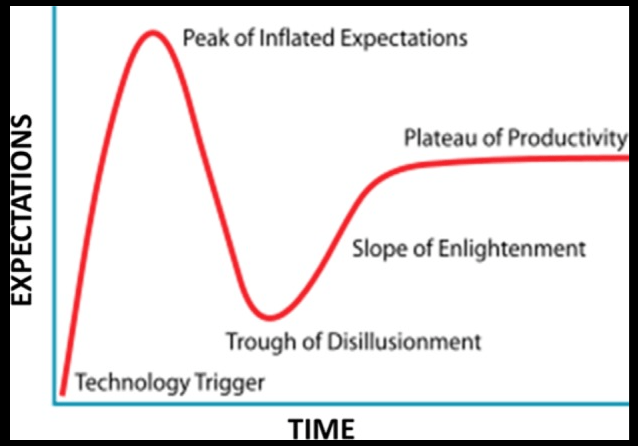
Peptides, along with exosomes, are “one of the skincare industry’s favorite ingredients right now,” Vogue reported in December 2024. At a Clinique launch event in early 2024, a physician declared peptides to be “the buzzword of the year.” The fashion of peptides seems to be at its peak hype (Fig.1): “Skincare is in its peptides era,” the beauty and fashion website Hypebae announced last month. As I am often asked about peptides, and because most of the literature for the lay public about peptides is incomplete and just plain wrong, I offer my short intro to peptides here. My blog is “sciencey” because it has to be in order not to present peptides in a manner that is not superficial and presents simplified dross.

.

From Maguire (2016)

What are peptides?

Basically, they’re short strings of amino acids (less than 50 amino acids). By contrast, proteins are long strings of amino acids. Peptides can be naturally produced or synthetically made in a laboratory. Naturally produced peptides are synthesized in the body as large precursor molecules (i.e., preproproteins) and are post-translationally (after the proprotein is made) processed and cleaved by proteases to generate their active peptide product. Synthetic peptides are typically made in the lab using a solid-phase peptide synthesis process where one amino acid at time is added to the string.

Problems with Synthetic Peptides

Synthetic peptides have many issues: off target activation of pathways that are detrimental to human health, poor targeting of beneficial pathways, poor penetration, and rapid degradation. Further, these synthetic peptides typically undergo lyophilization, a harsh freeze-druing process that disrupts their structure and further disrupts their safety and efficacy. Peptide aggregation and consequent loss of function is one of many problems in using synthetic peptides.

Further, the chemical synthesis process used to create peptides may introduce impurities or byproducts that can potentially lead to adverse reactions and toxicity issues. As stated in a journal from the American Chemical Society, “the current state of the art in peptide synthesis [synthetic peptides] involves primarily legacy technologies with use of large amounts of highly hazardous reagents and solvents and little focus on green chemistry and engineering” (Isidro-Llobet et al, 2019). Further, Varnava et al (2019) report that, “To date, the synthesis of peptides is concurrent with the production of enormous amounts of toxic waste.” In other words, the current industrial-scale peptide synthesis methods involve using substantial quantities of hazardous reagents and solvents, some of which may contaminate your topical product, while much of it pollutes the environment.

Synthetic peptides are cheap to make, and can easily be made in large quantities. That’s a plus for the compnies making them. But synthetic peptides can be problematic for therapeutic interactions that require post-translational modifications that are difficult to incorporate synthetically, such as glycosylation, for biological activity. Difficult to create disulfide linkages, important for the functional attributes of peptides and proteins. And peptides lack efficacy in biochemical pathways where the secondary or tertiary structure is critical or in making larger bioactive peptides and proteins. Natural peptides and proteins don’t suffer from these problems.

Microproteins ( you haven’t heard about these because they’re newly disovered) are Different from Peptides

You haven’t heard about these small proteins because they’re newly discovered and very difficult to identify and characterize. Microproteins are typically less than 100 amino acids (AAs) in length, but are different from peptides because they are not cleaved from a proprotein or protein. Until recently, microproteins have evaded detection because traditional genome annotation methods relied on stringent rules to distinguish protein coding RNAs versus non-coding RNAs (ncRNAs) to minimize the discovery of false positives including a minimum ORF length of 300 base pairs (bps). This ad hoc 100-codon threshold was initially selected based on the calculated probability that ORFs over 300 bps are significantly more likely to encode stable proteins. sORF-encoded microproteins have emerged as important new players in cellular biology and physiology, and they continue to be identified at high rates. To be clear, microproteins are polypeptides originating from short open reading frames (sORF) of less than a hundred codons. For a long time, they have been understudied because it is difficult to distinguish coding from non-coding sORFs. In recent years, the number of putatively translated sORFs has been narrowed down from hundred-thousands or millions to various thousands, owing to the advent of ribosome profiling and advances in bioinformatic and proteomic techniques. Therefore, efforts are now being made to include sORFs with robust translation evidence into databases such as GENCODE. The field of microproteins has since steadily grown, though it is still unclear how many functional coding sORFs exist in the human genome, and relatively few microproteins have been characterized to date. 

Microproteins are made in adipose mesenchymal stem cells (ADSCs) and likely released for therapeutic effect by the ADSCs (Bonilauri et al, 2021). Because of the past difficulty in identifying these microproteins, they are just now receiving attention for their therapeutic value. Understand, microproteins likely provide therapeutic value to the ADSC secretome, but our understanding of this is in its infancy.

Natural Peptides Drived from Diet

Lunasin is a 43-amino acid polypeptide originally discovered in soy. Research into the properties of lunasin began in 1996, when researchers at the University of California-Berkeley observed that the peptide arrested mitosis in cancer cells by binding to the cell’s chromatin and breaking the cell apart. The name of the peptide was chosen from the Tagalog word lunas, which means “cure”. Since its discovery, scientists have identified lunasin as the key to many of soy’s documented health benefits and it has been studied for various benefits, including cancer prevention, cholesterol management, anti-inflammation, skin health, and anti-aging. Lunasin exhibits different biological and chemopreventive properties including anti-inflammatory, anticarcinogenic, antioxidant and immune-modulating properties, anti-atherosclerosis, and osteoclastogenesis inhibition potential. Sounds great, right? But there’s a catch. Lunasin as part of a whole soy diet confers health benefits and is bioavailble, measured in human blood, but isolated lunasin has not shown such beneficial results. Isolated peptides don’t work as well as those peptides in their natural state. This is but one of many examples of natural peptides that are derived from a healthy diet providing benefit in their natural state, but when isolated, not so much happens.

Conjugated Peptides

The the human body, peptide conjugation is a crucial process involving the attachment of chemical entities to peptides to enhance their safety, efficacy, and pentration properties. These modifications, called post-translational modifications, can significantly improve characteristics like stability, targeting, and half-life of the peptide within the body, including the skin. Without peptide conjugation, the peptide is bare, subject to rapid degradation, and hydrophilic (meaning loves water and hates fat) so that it is repelled by the fatty nature of the stratum corneum. These are the problems with most synthetic peptides – they’re not conjugated. They’re not biomemetic but are cheap and can be easily hyped during the peak of the peptide-hype curve, i.e. peak of inflated expectation. However, synthetically conjugated peptides often don’t work well either.

For example, Palmitoyl Pentapeptide-4 is a conjugated peptide (pal-KTTKS). The molecular weight of Palmitoyl Pentapeptide-4 is 802.068 g/mol, larger than the “500 Dalton rule.” It consists of a pentapeptide (a chain of five amino acids, KTTKS) linked to a palmitoyl group, which is a fatty acid. This conjugation somewhat enhances its ability to penetrate the skin and makes it more effective as an anti-aging ingredient. However, Choi et al (2014) found that although pal-KTTKS was more stable than KTTKS, in dermal skin extract, 9.7% of pal-KTTKS remained after 120 min and 11.2% of pal-KTTKS remained at 60 min in the skin homogenate. In the epidermal skin extract, the concentration of pal-KTTKS throughout the 120-min incubation period was almost similar to its initial concentration. Lower amounts of proteolytic enzymes in the epidermal skin extract than in the dermal skin extract and the skin homogenate may account for pal-KTTKS lasting longer in the epidermal skin extract. 

Natural Proteins and Peptides Penetrate the Skin Better than Synthetic Peptides

Palmitoyl Pentapeptide-4 (PP-4), a conjugated peptide. Choi et al (2014) found only 11% of the peptide remains after 60 minutes in a homogenate of dermis – it’s broken down to be ineffective. Further, in skin permeation experiments, no detectable levels of KTTKS and pal-KTTKS (PP-4) were observed in the skin over a period of 48 h – the peptide dosen’t penetrate the skin.

Contrast this to the stem cell released molecules (Secretome) of ADSCs that do penentrate the skin and activate collagen production and a number of other beneficial physiological pathways. The secretome from ADSCs is loaded with proteins, peptides, microproteins, microRNA (not mRNA or DNA) and other beneficiary molecules. They work effectively, as mother nature intended, doing so collectively so that the mutlitude of molecules working togther, a systems therapeutic, exhibit synergistic, beneficial effects.

Summary

Synthetic peptides are all the rage now in skincare. Too bad most of them offer much hype and little or no benefit. There are some newer, more sophisticated conjugated peptides that I’m testing to determine whether they exhibit better efficacy than the current conjugated peptides. Stay tuned.

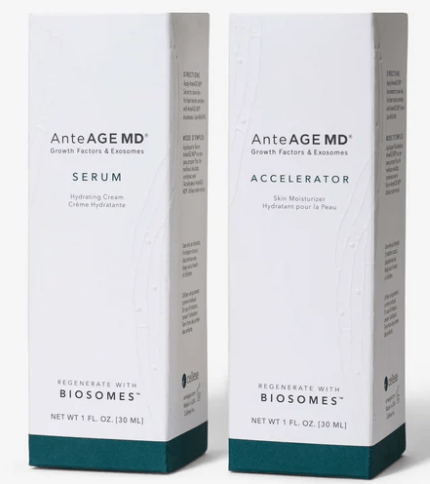
AnteAge, Founded by a Physician Whose Medical License Was Revoked and is Now Owned by Private Equity, Invents Fake Technology

John Sanderson, whose medical license was revoked for sexual misconduct and repeated negligence, has sold his company, AnteAge, to a private equity company. Now that the PE company has taken over, their marketing people have invented a new word, “Biosome.” for what is called by scientists, a “liposome.”

How do we know the Private Equity guys who own AnteAge are using fake technology? Look at the staement from their website: “Currently the AnteAGE MD bottles do not mention the new Biosome ingredient. As part of our commitment to sustainability, we have chosen to utilize our existing inner packaging rather than generating waste unnecessarily. Please rest assured that your product does in fact have Biosomes included. Please reference the ingredient listing here. Reach out with questions or refer to anteage.com.”

Here’s the statment from their web:

How Do We Know They’re Faking It

If there were actually something new in the bottle, they would have to, by law, relable the product. In other words, because they have only changed their marketing hype, and not the product’s technology, they don’t need to make any changes to the bottle labeling – specifically the bottle’s listing of ingredients. The label and the ingredients remain the same and the only thing changing is what they call the product. There’s no validation in peer-reviewed literature or patent filings confirming a unique mechanism under the name “Biosome.” Rather, it’s just marketing hype, or as some would call it, BS.

So what’s in the bottle? Liposomes. Look at the ingredients on the bottles with the new, fake technology. The list includes “Phosphatidylcholine.” Guess what are made with Phosphatidylcholine. Answer – liposomes! So now AnteAge is calling liposome, you guessed it, Biosomes. This is Private Equity at work. Say anything, do anything, for profit.

Here’s the bottle saying “Biosomes”:

And here’s the bottle’s ingredient list for the “Serum”:

Serum Ingredients:
Water (Aqua), Human Bone Marrow Stem Cell Conditioned Media, Cetyl Ethylhexanoate, Niacinamide, Dimethyl Isosorbide, Polyacrylate-13, Glycerin, Hydrolyzed Myrtus Communis Leaf Extract, Butylene Glycol,
Carbomer, Polysorbate 20, Palmitoyl Tripeptide-1, Palmitoyl, Tetrapeptide-7, Polyisobutene, Benzyl Alcohol, Salicylic Acid, Sorbic Acid, Sorbitan Isostearate, Carnosine, Ilex Paraguariensis Leaf Extract, Maltodextrin,
Disodium EDTA, DOTAP, DSPC, DSPE, DSPE PEG, Sodium Chloride, Disodium Phosphate, Potassium Phosphate, Potassium Chloride, Phosphatidylcholine, Phosphatidylserine, Sphingomyelin, Cholesterol, Mannitol,
Trehalose, sh-Oligopeptide-33, sh-Polypeptide-58, sh-Polypeptide-5, sh-Polypeptide-2, sh-Polypeptide-67, sh-Polypeptide-66, sh-Polypeptide-10, sh-Polypeptide-3, sh-Polypeptide-62, sh-Polypeptide-14,
sh-Oligopeptide-2

Bottome line. Private equity is ruining many things and now they’re lying to the public about skin care ingredients.

If you’d like to read about the science of exosomes and liposomes, you can read my 30 page academic book chapter, peer-reviewed, that I published in 2016 with Elsevier, called Exosomes: smart nanospheres for drug delivery naturally produced by stem cells.

Why I Don’t Formulate Products with SLS

Despite the years of research on the ill effects of SLS (sodium lauryl sulfate), I continue to hear that people, including dermatologists, are using products with this ingredient, including shampoos.

If you’ve ever Googled the causes of a skin irritation or damaged hair, you’ve likely seen posts about SLS, or sodium lauryl (or laureth) sulfate, a common ingredient in beauty products, cleansers, shampoos, toothpastes, and cleaning products.

So what does this ingredient do, why is it in everything, and what does the evidence say about how safe it is?

When we use a cleanser or shampoo, the product usually contains a detergent. That detergent is called a surfactant. A surfactant allows the oil and water molecules to bind together – it’s what’s found in soaps and detergents so we can wash our oily faces or dishes with water and remove the grime.

Sodium lauryl sulfate (SLS) is a surfactant, and its efficacy, low cost, abundance and simplicity mean it’s used in a variety of cosmetic, dermatological, and consumer products.

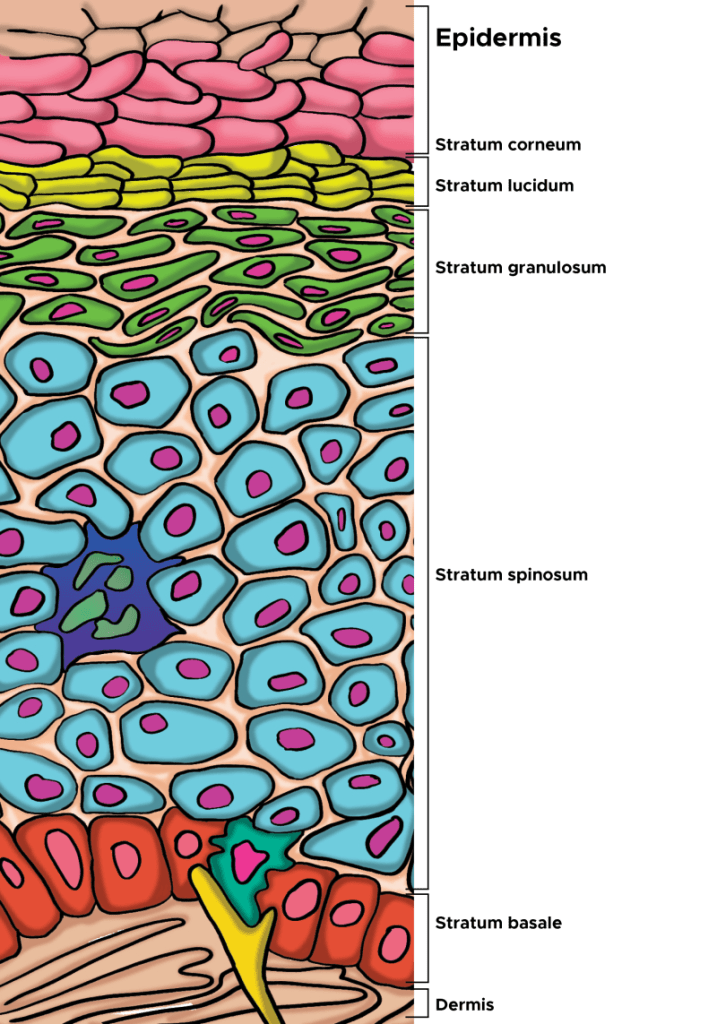
Our skin’s outermost layer, the stratum corneum of the epidermis, is specially designed to keep harmful things out, and this is where a surfactant can cause problems. Using chemicals that weaken this barrier defence mechanism can potentially cause our skin harm.

As the outermost layer of the epidermis, the stratum corneum is the first line of defense for the body, serving an essential role as a protective skin barrier against the external environment. The stratum corneum aids in hydration and water retention, which prevents skin cracking, and is made up of corneocytes, which are anucleated keratinocytes that have reached the final stage of keratinocyte differentiation (From Murphrey et al, 2022).

Some surfactants are more irritating to our skin than others. For something to be harmful, irritating or allergenic, it has to fulfill two criteria. It has to have been found in studies to irritate human skin, and it has to have the ability to penetrate the skin. SLS does both. It penetrates the stratum corneum and induces an immune reaction, and degrades the structure of the barrier.

Scientists in Germany tested 1,600 patients for SLS irritancy and found 42% of the patients tested had an irritant reaction. Another study, on seven volunteers over a three and a half month period, found regular contact caused irritation, and the irritation subsided once the skin was no longer exposed to SLS. Another study found the warmer the water used with SLS, the more irritating it will be.

SLS is a well established irritatant and is used as a positive control in dermatological testing. That is, new products being tested to see how irritating they might be to human skin are compared to the known irritant, SLS. If a person is sensitive to SLS, they might find the area that has been in contact is red, dry, scaly, itchy or sore. It’s also important to note there’s no scientific evidence SLS causes cancer, despite what is often posted on the internet. So, it’s probably OK to use SLS in products that are used for household cleaners.

Who should avoid SLS?

Everyone, especially people with a history of sensitive skin, hyperirritable skin and patients suffering from skin conditions such as atopic dermatitis (eczema), rosacea, and psoriasis are best to avoid products containing SLS. If you think it might be SLS causing a skin irritation, stop the use of the product and look for products that don’t contain SLS.

The Benefits of Topical Retinoids on the Skin

NeoGenesis uses Hydroxypinacolone retinoate (HPR), a newer retinoid that is less irritating than tretinoin and has been found to be as effective in vitro at promoting collagen production. HPR is also more stable than other retinoids in the presence of sunlight and air. Unlike retinol, HPR directly binds to the retinoid receptors and is therefore more effective and less irritating than retinol. The efficacy of HPR is similar to retinoic acid. However retinoic acid (tretinoin) can cause significant irritation of the skin, and is available only by a physician’s prescription. Retinoids can provide great benefit to aging skin. In this blog, I’ll explore some of the mechanisms by which retinoids benefit both the epidermis and the dermis. (Christine Preston contributed to this blog).

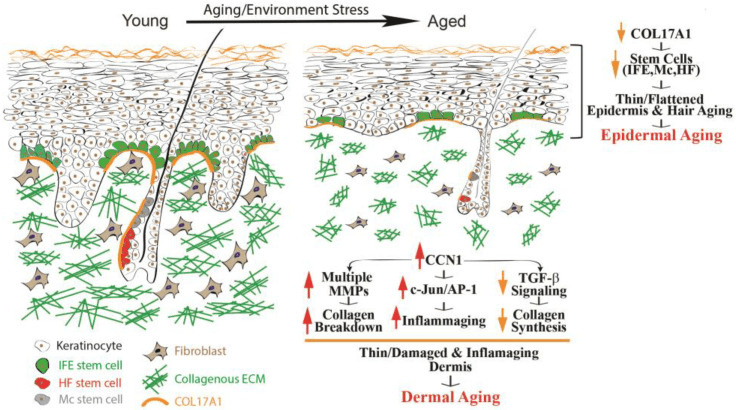
From Quan (2023) Epidermal and dermal aging of human skin. Skin aging includes the thinning of both the epidermis and dermis.

Over time, many alterations occur within the epidermis, collectively known as epidermal aging. These changes in time are characterized by the thinning of the epidermal layer and the flattening of rete ridges (as depicted in Fig 1, on the right). Rete ridges (RR) form an interdigitated surface area that reinforces cohesion between the epidermis and dermis, and this structure demonstrates plasticity, responding dynamically to stimuli such as UV irradiation. RR adapts to disruptions of its boundary during wound repair when cells lose hyper-adhesiveness, allowing the skin to appropriately remodel itself. The principal cause of epidermal aging can be traced to a reduction in the proliferation and turnover of keratinocytes, linked partially to the depletion of interfollicular epidermal (IFE) stem cells and dysfunctional Rete Ridges, leading to poor healing and thinning of the epidermis.

Collagen type, COL17A1 has been of particular interest due to its role in maintaining the homeostasis of the skin stem cells. COL17A1 is a structural element within the dermal–epidermal basement membrane, and it is synthesized by epidermal keratinocytes, not fibroblasts (Xiang et al, 2022). COL17A1 is primarily expressed in the uppermost extensions of the rete ridges area, where the niches for IFE stem cells are located. Research results have suggested a reduction in the expression of COL17A1 in human skin affected by both intrinsic and extrinsic aging factors, including human skin exposed to acute UV irradiation. The decrease in COL17A1 levels within the area specific to the rete ridges can reduce the adherence of IFE stem cells to their designated locations, leading to their removal from the skin. Consequently, the reduction of collagen protein, COL17A1, results in decreased rates of keratinocyte renewal and the development of thinner epidermal layers, the primary morphological characteristic of aging skin.

Human skin has developed two main defense mechanisms to guard against the damaging effects of UV: 1. epidermal thickening, 2. and the stimulation of melanin synthesis, however, photoprotection through increased melanogenesis is more important. As we think about retinoids and what they do for the skin, think about how retinoids help to maintain the normal structure of the skin, can actually thicken the epidermis and dermis, and how important this is for skin function and protection, including protection against UV.

Retinoids, which refer to a group of vitamin A derivatives, are among the most-extensively studied ingredients in skincare for combatting aging and enhancing the appearance of mature skin. Retinoids can stimulate collagen synthesis, inhibit MMP (Matrix metalloproteinases – too much of this activity can break-down proteinaceous tissues) activity, reduce oxidative stress, and modulate gene expression (Quan, 2023). Retinoids have exhibited efficacy in ameliorating the visual manifestations of both intrinsic and extrinsic aging, such as wrinkles, fine lines, and irregular pigmentation. The mechanisms of retinoid’s action may involve the activation of retinoic acid receptors (RARs) and retinoid X receptors (RXRs), which regulate gene transcription and cell differentiation. Retinoids may also modulate the activity of growth factors and cytokines involved in ECM turnover and inflammation. Retinoic acid (RA) is the active form of vitamin A and its precursor is called retinol (ROL). ROL can be converted into its active metabolite within human skin. When retinol is applied topically to human skin, it can penetrate the skin and undergo sequential conversion to retinaldehyde and then to retinoic acid

Skin-equivalent cultures have been used to investigate the regulatory role of retinoids in collagen homeostasis. Typically, these simplified skin constructs feature stratified and differentiated keratinocytes, representing the epidermal layer, layered atop a collagen lattice primarily comprising Type I collagen. Dermal fibroblasts are embedded within this lattice to mimic the dermal layer. When subjected to retinoic acid treatment, these skin-equivalent cultures exhibit a thickened epidermis with a substantial increase in the number of keratinocyte layers and elicit a dermal response akin to the effects observed when retinoic acid is topically applied to human skin in vivo. Consequently, skin-equivalent cultures hold significant potential as a valuable model for delving into the mechanisms by which retinoids enhance the appearance of aging skin in humans.

Increasing the Thickness of the Epidermis and the Vascularity of the Dermis in Aged Human Skin In Vivo Using Topical Retinoids: Stimulating the Growth of Epidermal Keratinocytes and Dermal Endothelial Cells

Topical application of retinoids to aged human skin in a live setting has been found to significantly enhance the thickness of the epidermis by stimulating the proliferation of epidermal keratinocytes, and increasing the number of Rete Ridges. In addition to improving epidermal thickness, topical retinoid has shown a notable increase in the proliferation of endothelial cells and blood vessels in the papillary dermis. These findings suggest that the topical application of retinoids results in the thickening of the epidermal layer and the development of fresh blood vessels within the dermis. The AP-1 transcription factor is critical to enabling the proliferation of keratinocytes in response to growth factors, cytokines, and various stimuli. The AP-1 complex consists of c-Jun and c-Fos, and it has been observed that topical retinoids significantly increases the expression of the epidermal-specific c-Jun protein, leading to a substantial increase in epidermal thickness. There is also evidence that the expression of c-Fos protein increases with retinoid treatment. These findings suggest that topical retinoids enhance the activity of the epidermal-specific c-Jun, and possibly c-Fos transcription factors, thereby stimulating the proliferation of epidermal keratinocytes in aged human skin in vivo.

Topical Retinoids Improve the Dermal ECM Microenvironment by Promoting the Production of Collagenous ECM in Aged Human Skin In Vivo

Topical retinoid treatment increases Type I collagen expression, which constitutes 80–85% of the dermal ECM, while collagen type III constitutes about 8–11%.  Topical retinoid also significantly enhances the expression of fibronectin and tropoelastin. In aged human skin in vivo, topical retinoid effectively activates dermal fibroblasts, leading to the substantial production of collagenous ECM through the activation of the TGF-β/Smad pathway, which is a key regulator of ECM production. Topical retinoid administration causes a significant increase in TGF-β1 mRNA expression and a decrease in inhibitory Smad7, while other components of the TGF-β pathway remain unaffected. Additionally, topical retinoid leads to an increase in the expression of connective tissue growth factor (CTGF/CCN2), which is substantially reduced in the dermis of aged individuals and contributes to the decline in collagen production associated with aging. These findings provide evidence that topical retinoid stimulates the production of ECM by dermal fibroblasts through the upregulation of the TGF-β/CTGF pathway in aged human skin.

In addition to the upregulation of TGF-β/CTGF pathway, retinoic acid significantly reduces CCN1 gene expression in both naturally aged and photoaged human skin in vivo. CCN1 is a negative regulator of collagen homeostasis by inhibiting the TGF-β/CTGF pathway and stimulating MMPs’ induction. These data suggest that the mechanism by which topical ROL improves aged skin, through increased collagen production and inhibition of MMPs, may involve the downregulation of CCN1. Thus, retinoids are acting through multiple pathways, inhibiting some and activating others.

In aging skin, decreased vascularity and thinning of the dermis and epidermis are substantial factors contributing to skin fragility and hindered wound healing. Blood flow to the skin, the largest organ in the body, is reduced by 40% between the ages of 20 to 70 years. Topical retinoids not only enhances ECM production, but also improves the dermal microenvironment by promoting the expansion of vasculature through endothelial cell proliferation in aged human skin. An age-related reduction in cutaneous vasculature has been reported. The increased vascularity of the dermis induced by topical retinoids can improve skin blood flow and create a more-favorable microenvironment for the homeostasis of the epidermis and dermis. Further, the promotion of epidermal keratinocyte proliferation and the restoration of ECM production by topical retinoid could create a supportive environment for the growth of endothelial cells and the development of dermal blood vessels. Epidermal keratinocytes are a significant source of vascular endothelial growth factor (VEGF), a powerful factor in promoting angiogenesis. Furthermore, increased production of dermal ECM has been demonstrated to stimulate the proliferation of endothelial cells. As a result, the augmented dermal vascularity facilitated by retinoids may have a significant impact on the homeostasis of both the epidermis and dermis.

Hydroxypinacolone Retinoate (HPR) for Anti-Aging, Photodamage, and Acne

Hydroxypinacolone retinoate (HPR) has demonstrated positive effects as a topical anti-aging ingredient, the authors of the study writing, “Together these data suggest that HPR is an effective alternative to ATRA and other less potent retinoids in the treatment of aging skin without the detrimental side-effects. And the combination of retinoids and salicylic acid can be used to ameliorate the signs of photoaging.

Data have confirmed past studies indicating that topical retinoids are under-used for acne. Further, HPR has been successfully used to treat comedonal-papular, mild to moderate acne of the face. In this study, papain was also used, in addition to HPR, as an exfoliant, and in many cases acne patients may benefit from combination therapies, such as the use of retinoids (HPR) with salicylic acid to better treat acne.

Carotenoids, Like Beta-Carotene, Convert to Retinoids When Topically Applied

You’ll notice on the label of NeoGenesis Skin Restore Serum, that in addition to HPR, carotenoids, including beta-carotene, are included in the product. While topically applied carotenoids absorb into the skin and are converted to retinoids in the skin, the carotenoids also provide antioxidant benefit to the skin. The beautiful yellow color of the vitamin A product, Skin Restore Serum, reflects the yellow pigmented carotenoid antioxidants loaded into the serum.

The amount of carotenoids in the skin depends on dietary intake, and their bioavailability from various foods, with fruits and vegetables as an important source.. After absorption in the gut and transportation into the skin, carotenoids accumulate in the skin, including the adipocytes in the hypodermis. The skin protective benefits of carotenoids, especially from those residing in the epidermis, are many, including protection from UV and air pollution.

Retinoids and Photosensitivity

Photosensitivity to retinoids appears to be a rare event, and quite to the contrary, retinoids have been found to successfully treat some forms of skin photosensitivity. First, let’s dispel the somewhat common belief that topical retinoids enhance UV-induced inflammation. Smit et al (1999) evaluated the minimal erythema dose (MED) for UVB irradiation on topical all-trans RA (tretinoin cream 0.05%) pre-treated skin compared with vehicle cream pre-treated skin and untreated skin. Their study found no significant difference for the MED values either 24 or 48 h after UVB irradiation between the all-trans RA cream treated skin, and the vehicle cream treated skin and untreated skin. In other words, topical retinoid caused no enhanced inflammation when the skin is exposed to UV.

Second, Actinic folliculitis (AF) is a rare recurrent seasonal photodermatosis, relatively newly characterized by nonpruritic, monomorphic pustules and papules appearing 4-24 h after exposure to sunlight. Lesions usually affect the face but also appear on the upper chest and arms. Resolution normally occurs within 7-10 days with cessation of sunlight exposure. AF is resistant to standard treatments used for acne vulgaris and acne rosacea, with only oral retinoids previously being reported as effective. Academic dermatologists in the UK have reported that AF responding extremely effectively to a topical retinoid.

Discussing photosensitivity, be clear that HPA is relatively stable in light and in the air. Applying and using HPA in normal lighting conditions will not degrade the product.

Long Term and Overuse of Retinoids

While a significantly higher concentration of retinol (0.4%) is required to attain similar outcomes as observed with topical retinoic acid, retinol triggers similar histological alterations (epidermal thickening and dermal ECM production) as retinoic acid. However, inappropriate or excessive use of topical retinoids or retinoic acid may also result in potential side effects. These commonly include skin dryness, redness, and peeling, which can cause discomfort. However, these side effects typically diminish over time as the skin adjusts to the product. Evidence suggests that HPR will induce fewer adverse side-effects than the other retinoids.

Long-term use of retinoids (studied for up to 2 years) have found beneficial effects to the skin throughout the treatment period, and a good safety profile. While most of the benefit is seen within 6 months following onset of the treatment, long term use can maintain the positive effects.

Summary

Topical retinoids (TR) are a safe and effective addition to one’s skin care routine, especially for aged skin. TR provides major benefits to the skin, including increased thickness of the epidermis and dermis, and enhanced blood flow to the skin. There are few side effects of retinoids, and if chosen properly, retinoid products, such as those that use HPR, are well tolerated by those with sensitive skin. Photosensitivity is not an issue, and their use with vitamin C/antioxidant products, such as those using gentle liposomal vitamin C (liposomal ascorbic acid), provides extra benefit.