It’s the Skin’s Architecture, Not So Much its DNA, That Causes Skin Cancer

DNA mutations in normal skin occur at high rates without cancerous growth. But when the skin’s architecture is broken down, those mutations can lead to cancer. Maintaing the skin’s architecture is critical to skin health.

Mutations Are Everywhere, But Cancer Isn’t

Scientists have looked at UV-exposed eyelid skin of middle-aged adults, and found that a square inch of normal, non-cancerous skin was riddled with mutations, many of them considered cancer drivers. The number of mutations in normal skin tissue rivaled the number seen in skin tumors, and exceeded the number of mutations seen in other tumor types, like breast cancer. Such findings once again set researchers’ expectations about how powerfully these mutations could promote cancer. There’s more to cancer than just mutations in our cells.

It’s The Architecture Stupid, Not the DNA

Prof. Dr. Cyrus Ghajar, Ph.D., a scientist at Fred Hutchinson Cancer Center, has noted that cancer-driving mutations are defined using animal studies. After identifying what is thought to be a common cancer-associated mutation in human cancers, researchers introduce the mutations into mice to see if tumors arise. If they do, they’re considered cancer drivers. But when you find these mutations in people in normal tissue, then what does that mean? It’s clearly not a driver.  Mutations, it turns out, needs partners to drive cancer. They need another powerful mutation and an abnormal microenviornment, to induce cells toward cancerous growth.

The mutation-riddled reality of normal skin tissue prompts us to realize that skin has ways of handling mutations and keeping cellular growth normal. As Prof. Dr. Mina Bissell, Ph.D. at Berkeley has taught us, our organs are set up for function, and that function is inextricably linked to chemical envionment of the cells and the architecture into which the cells are embedded. Most cells in an organ are differentiated, meaning they perform a specialized function. And this differentiated state isn’t merely governed by an internal molecular decision-making process within each cell. It’s a collective process, a top-down process, where the architecture dictates function. If a cancer cell wanders into another organ and survives, it falls under the spell of the architecture, the top-down process instructing the cancer cell to renormalize. Dr. Bissell taught us this many years ago. As shes says, “to understand cancer it is important to understand that the phenotype can override the genotype.” Further, “influences such as what you eat, your internal metabolism, inflammation and the sun’s rays” affect your phenotype and hence your genotype. For example, in the aforementioned study of eyelids, the sun is causing mutations, but the phenotype, the cellular chemistry and architecture, has overridden the genotype, the mutated DNA, and the cells are behaving normally without cancerous growth.

Cancer Reverts if Normal Architecture is Restored

Dr. Bissell and team, in a landmark study, found that if they took breast cancer cells and put them back into a normal microenvionment, a normal architecture, then the cancer cells reverted back to normal. Their results demonstrated that the extracellular matrix, i.e the architecture and its inherent chemistry, dictate the phenotype of mammary epithelial cells, and thus in the model system tested, the tissue phenotype was dominant over the cellular genotype.

A Glimpse at the Big Picture of DNA, Cells, Architecture and Downward Causation

In the big picture, what I’m talking about is downward causation. The architecture instructs the pieces what to do. So the cellular structure is instructing what the DNA, all of the DNA, needs to do. That’s downward causation. We inherit downward causation because life derives from the cell. Cells make cells. Put DNA in a dish, it sits there, inert. Put DNA into a cell, it will begin to function, with that function dependent on what cell it is in. The cell, of course, has architecture, and it is the cell’s architecture that sets boundary conditions, instructing the molecules in the cell, including the molecules in the DNA, what they should do. We humans arise from cells, the mother’s egg – and that egg receives architectural signaling from the fathers sperm, which delivers DNA contained in it own architecture, the centriole. In other words, that cellular architecture and that of it’s surroundings, is critical to the cell’s function, to creating life, and whether cells will become cancerous. Along with Dr. Mina Bissell, Prof. Dr. Dennis Nobel, Ph.D., at Oxford, has been a pioneer in this way of thinking.

Sun Exposure Can Damage the Architecture, Not Just DNA

Concerning sun exposure and skin cancer, what happens when UV damages the skin? Is DNA damaged? Yes. But damaged too is the architecture, incuding the constiuent proteins and lipids in the architecture. As Drs. Bissell and Ghajar have taught us, it’s the cells surrounding architecture that will determine whether a cell becomes cancerous. So the UV damage of the proteins and lipids that make the architecture of the skin will be critical to determing whether the skin is cancerous or normal.

What to Do to Protect the Skin’s Architecture

What do you need to do for your skin to be healthy and free from cancer? Normalize the architecture of the skin. How do you do this? 1. First, dose your skin with sunlight in moderation to protect the skin’s architecture. If you’re out for long, wear a sunblock. 2. Eat well. Fruits and vegetables contain many of the nutrients to needed to maintain and regenerate the skin’s architecture. 3. You can also utilyze a skin care routine that maintains and regenerates the skin’s architecture. Using a combination of NeoGenesis Recovery and Barrier Renewal Cream, for example, will help to maintain and regenerate the architecture of the dermis and epidermis. NeoGenesis Recovery will also help to optimize the skin’s natural ability to repair DNA. Also available are retinoid products and antioxidant skin care products that can also help to prevent damage and rebuild the skin’s architecture.

Korean Skincare Companies, Including “House of PLLA,” Want You to Apply Dangerous PFASs on Your Face

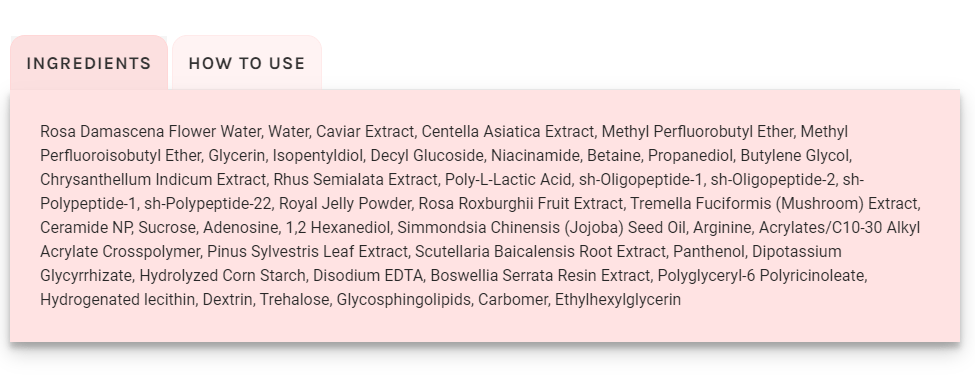
House of PLLA from South Korea has a number of products that contain “Methyl Perfluoroisobutyl Ether,” a type of dangerous Per- and polyfluoroalkyl substance (PFAS) that can penetrate into your body through the skin. These are “forever chemicals” that accumulate and stay in the body, increasing your odds of cancer, immune dysregulation, and hormone disruption. PFAS also disrupts sleep and may be a contributor to cardiovascular disease. Making the toxicity worse, some people are using these products following microneedling or other procedures that disrupt the skin’s barrier function, allowing an even higher dose of these noxious chemicals.

House of PLLA from South Korea has a number of products that contain “Methyl Perfluoroisobutyl Ether,” a type of dangerous Per- and polyfluoroalkyl substance (PFAS) that can penetrate into your body through the skin. Here’s the label from one of their products, HOUSE OF PLLA® HOP+ CAVIPLLA+O2® Multi-Serum. Notice Methyl Perfluoroisobutyl Ether is the second leading ingredient:

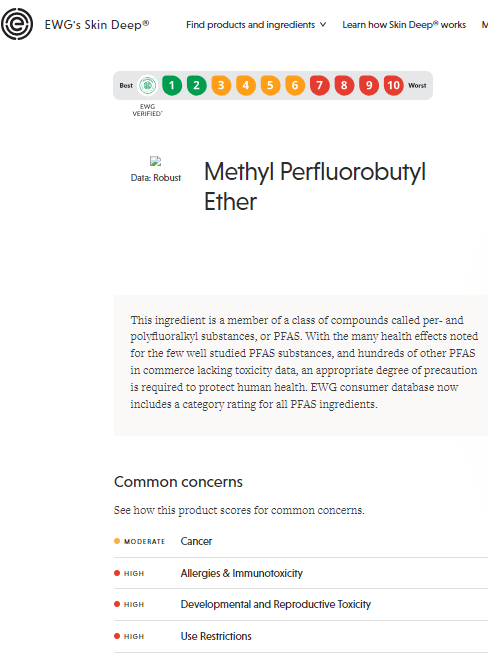
Here’s what the Environmental work group has to say about Methyl Perfluoroisobutyl Ether:

To be clear, Per- and polyfluoroalkyl substances (PFAS) are a class of man-made chemicals, including PFOA, PFOS, and GenX. These chemicals can bioaccumulate in the bodies of humans over time and have been linked to cancer, thyroid disease, liver damage, decreased fertility, and hormone disruption.

PFAS chemicals are made up of a chain of linked carbon and fluorine atoms, which do not degrade in the environment. PFASs are so bad that scientists are unable to estimate an environmental half-life for PFAS, which is the amount of time it takes 50% of the chemical to disappear, according to the National Institute of Environmental Health Sciences. In other words, these chemicals last so long that scientists haven’t been able to measure their degradation.

Now think about using these ingredients in a product that is used after microneedling or other procedures that allow chemicals to better penetrate the skin through a disrupted barrier. Of course the microneedling opens channels in the skin that allow molecules to better penetrate the skin into the body. So now that second leading ingredient, Methyl Perfluoroisobutyl Ether, in HOUSE OF PLLA® HOP+ CAVIPLLA+O2® Multi-Serum is penetrating the skin into your body where it may last a lifetime. And that lifetime may be cut short because of the PFAS staying in the body and increasing your odds of cancer and an inability of the immune system to fight infection.

In another product called, HOP+ CAVIPLLA+O2® Advanced Volumizing Serum, the South Korean company also uses Methyl Perfluoroisobutyl Ether. Here’s the label:

Oher Koren companies, such as TiN5 are using dangerous Methyl Perfluoroisobutyl Ether in their products. Here’s the ingredient list for TiN5 The Concentrate:

Notice that TiN5 features not just one PFAS, but you you’re dosed with two PFAS ingredients (Methyl Perfluorobutyl Ether, and Methyl Perfluoroisobutyl Ether) when you use their “The Concentrate.”

There is bipartisan support to ban these ingredients from cosmetics, something I endorse, but until the law actually passes, the onus is upon you to check the labels of your skin care products for PFAS. Bottom line, if you want to use PLLA, poly-l-lactic acid, use a product that is clean and doesn’t contain PFAS ( or “fragrance” or “trehalose” also found in these products).

Formaldehyde Releasing Ingredients in Cosmetics: Changing Our Epigenetics

Formaldehyde-releasing ingredients in cosmetics can change our epigenetics and increase our chances of cancer

In personal care products, formaldehyde can be added directly, but most often, it can be released from preservatives such as quaternium-15, DMDM hydantoin, imidazolidinyl urea, diazolidinyl urea, polyoxymethylene urea, sodium hydroxymethylglycinate, bromopol and glyoxal. Why are these ingredients so bad? For a number of reasons, including that they’re cancer causing.

Here I’ll discuss how these ingredients can cause cancer. Let’s think about epigenetics. Epigenetics involves chemical processes (including proteins produced by our bodies) that regulate gene activity, not by changing the DNA structure, rather by regulating the expression of mRNA from our genes. This enables our cells, tissues, and organs to adapt to environmental changes. However, this plastic and adaptive benefit has a downside because epigenetic regulation is more susceptible to disruption by toxins than the relatively stable genetic sequence of DNA.

A new study led Prof. Dr. christopher Chang, Ph.D. at UC Berkeley, demonstrates that formaldehyde, commonly present in various household and cosmetic products, in polluted air, and widely used in building materials such as particleboard, plywood, and other pressed-wood products is a powerful modifier of normal epigenetic patterns. Formaldehyde has been associated with an increased risk of developing cancer, such as nasopharyngeal tumors and leukemia.

Mechanistically, Dr. Chang’s study discovered that formaldehyde is an inhibitor of the MAT1A protein, the main producer of S-Adenosyl-L-Methionine (SAM), which is the universal donor of the chemical group “methyl” that regulates epigenetic activity. Specifically, the scientists found that exposure to formaldehyde induced a reduction in SAM content and caused the loss of methylation of histone proteins, that package our DNA and control the function of thousands of genes.

In summary, these scientists have discovered that formaldehyde has the capacity to modify the epigenetic properties of our cells, contributing to the well-documented carcinogenic properties of formaldehyde. Check the ingredient label of your personal care products to be sure they don’t contain these formaldehyde-releasing ingredients. BTW, people often confuse “urea” for “imidazolidinyl urea, diazolidinyl urea, or polyoxymethylene urea,” all of which can release formaldehyde because they are reaction products of urea and formaldehyde. Products labeled with “Urea” are not formaldehyde-releasing because the “urea” has not been reacted with formaldehyde. “Urea” is naturally occurring in the skin and other areas of the body, and is a natural moisturizing factor (NMF) that is essential for the adequate hydration and integrity of the stratum corneum.

The Benefits of Soy Ingredients

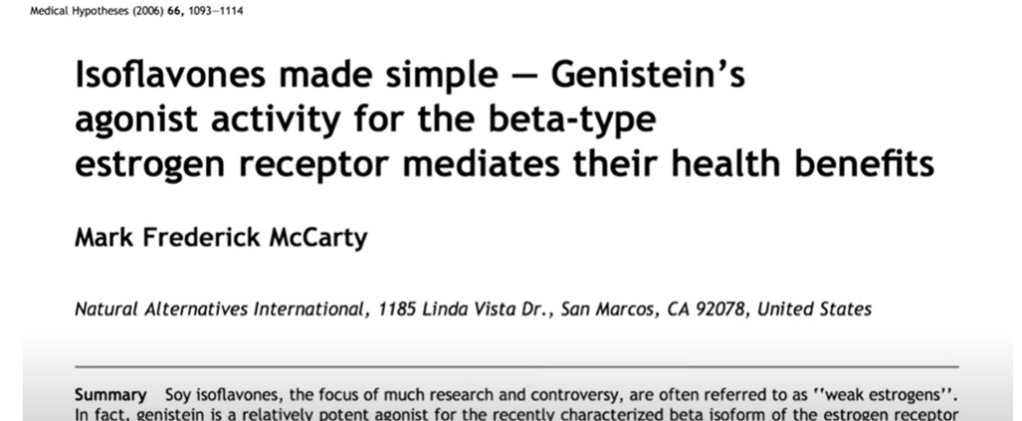
The safety and benefits of soy ingredients, that preferentially activate beta estrogen receptors (ER-beta), have been known by scientists for decades. It’s time for the rest of the world to catch-up to what scientists understand.

Formulating skin care products containing various soy derivatives has led a number of people to ask me why I would use these products when there are concerns about their health risks. Unfortunately, a hysterical mass media has promulgated these ignorant ideas and social media spreads these false concerns faster and more broadly than a raging wildfire. This is something Dr. Elaine Showalter, Ph.D. taught us about back in the 1990s in her book, Hystories: Hysterical Epidemics and Modern Culture. Sadly, the phenomenon is much worse thirty years hence, benefitting the billionaire media moguls who spread alarming falsehoods with their biased algorithms, but confusing most of the rest. So let’s look at soy benefits in general first, and then I’ll describe their benefits in the skin. Once you read this, you’ll understand why I formulate with soy-based ingredients.

Let’s start with a study about the benefits of soy to general health, from Chen et al (2023) at Harvard Public Health, in a PubMed listed journal, “A higher intake of total phytoestrogens, including isoflavones, lignans, and coumarins, and foods rich in these compounds was associated with lower risk of total and certain cause-specific mortality in generally healthy US adults. These data suggest that these phytochemicals and their dietary sources may be integrated into an overall healthy diet to achieve a longer life span.” This was a large study, following nearly 76,000 women.

Soy contains compounds called isoflavones, which can act as antioxidants in the human body. Antioxidant activity may be responsible for the apparent correlation between soy consumption and lower lipid peroxidation, which can reduce the risk of arterial plaques. Higher antioxidant consumption is also associated with decreased cancer risk.

The three major isoflavones in soy—genistin, daidzin, and glycitin—all have weak estrogenic effects, acting primarily at ER-beta. Known as phytoestrogens, these compounds produce pro- or anti-estrogenic effects by binding to estrogen receptors in the body. Whereas human estrogens bind to both estrogen receptor alpha (ERα) and estrogen receptor beta (ERβ), phytoestrogens prefer ERβ, which accounts for the variations in how they affect different tissues. For this reason, phytoestrogens are referred to as selective estrogen receptor modulators, or SERMs. Selective estrogen receptor modulators affect some cells because the cells have specific estrogen receptors, while other cells are not affected because of different receptor types.

Soy derived isoflavones affect those estrogen receptors that are involved in positive effects – the ERβ subtype that is not involved in cancer. Soy blocks estrogenic effects associated with cancer because the isoflavones block ERα without activating it. Soy is inhibitory to the ill-effects of ERα.

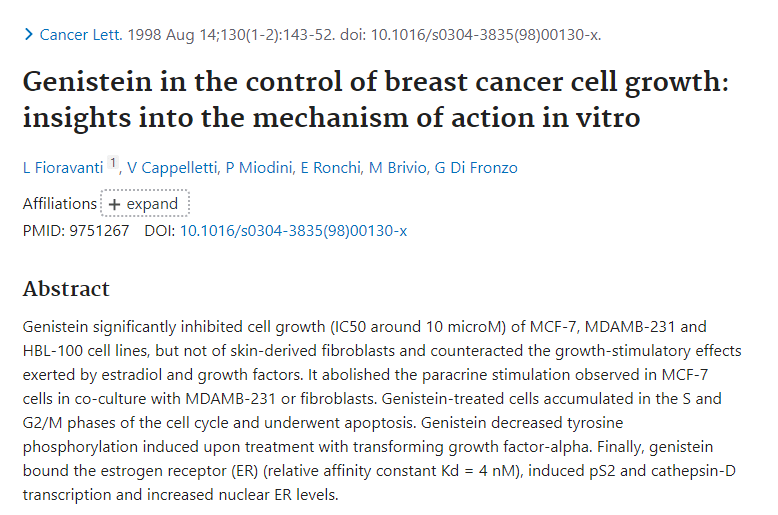
Soy actually controls the growth of cancer cells.

Many studies have reported the anti-cancer effects of soy, for example:

The intake of soybean products in those with BRCA mutation decreased breast cancer risk 47% more than the expected risk.

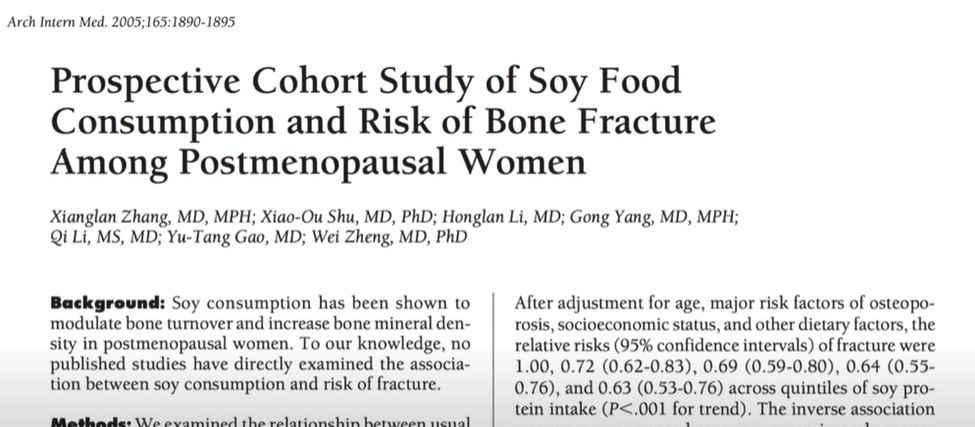
The point here is that soy is safe, and beneficial in many ways including in better building bone:

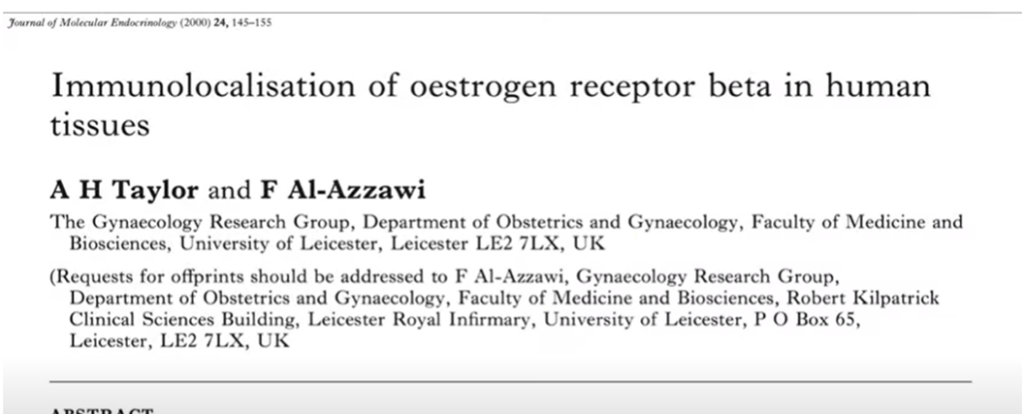
Scientists in Germany showed how phytoestrogens (soy) preferentially activate ERβ:

ERβ is not located in liver or uterus, where the negative effects of estrogen have been found. Liver contains only ERα, as does the uterus. The skin contains mostly ERβ

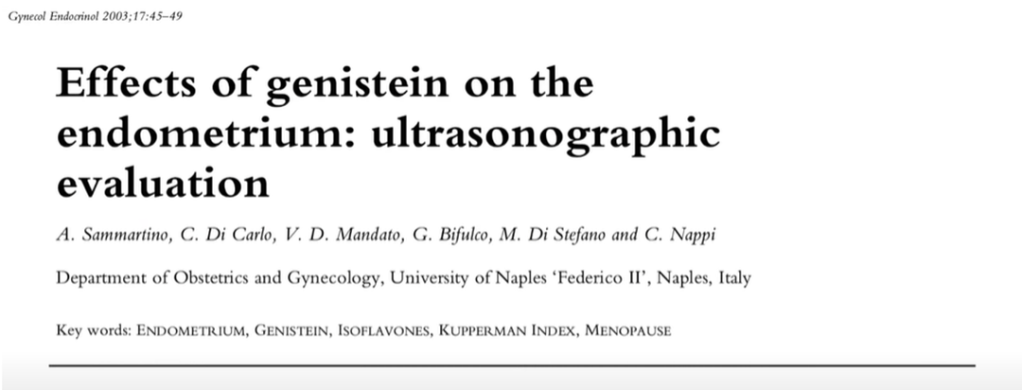
Physiological levels of ingested phytoestrogens are safe for the uterus:

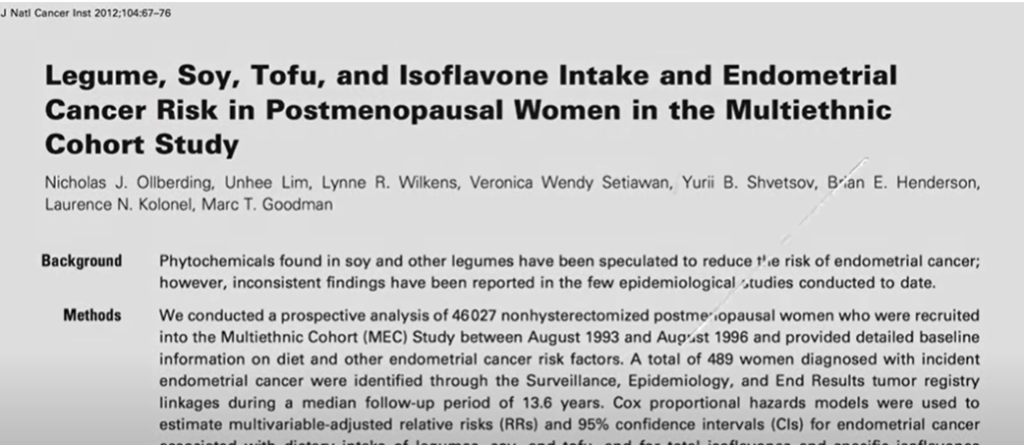
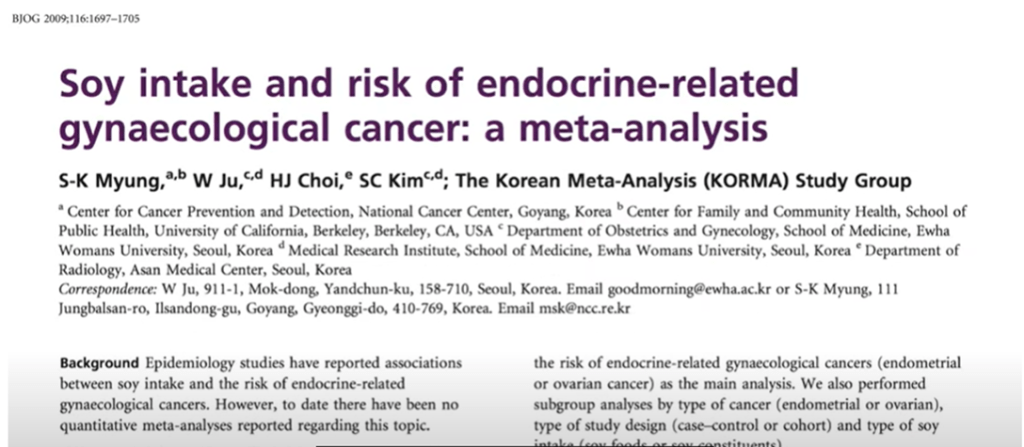
Women consuming the highest levels of soy greatly decreased their chances of cancer:

Soy consumption lessens the ill-effects of menopause:

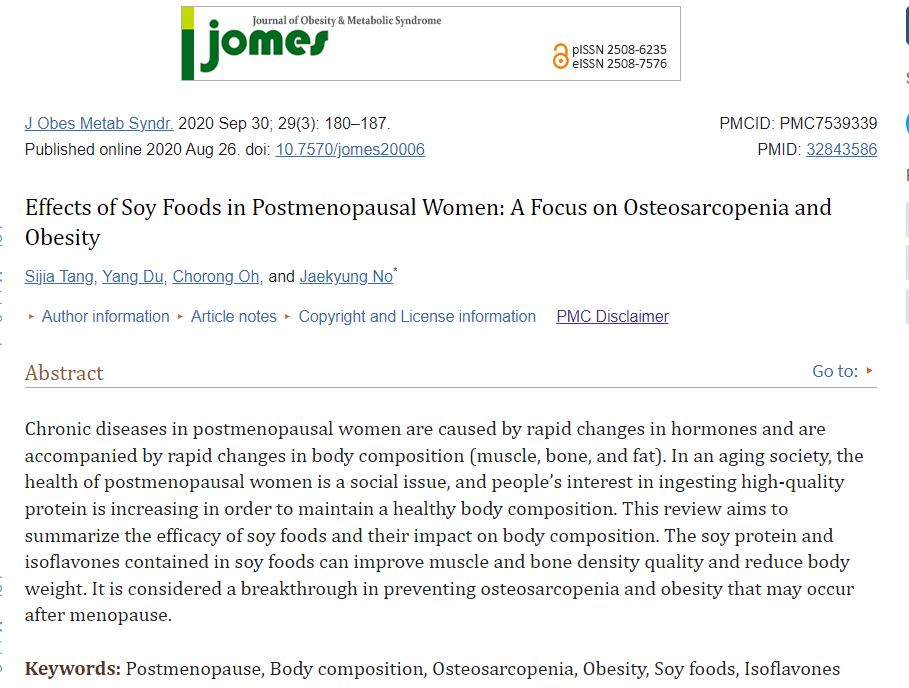
Postmenopausal women benefit greatly from soy consumption, including better bones and muscle mass, and improved weight.

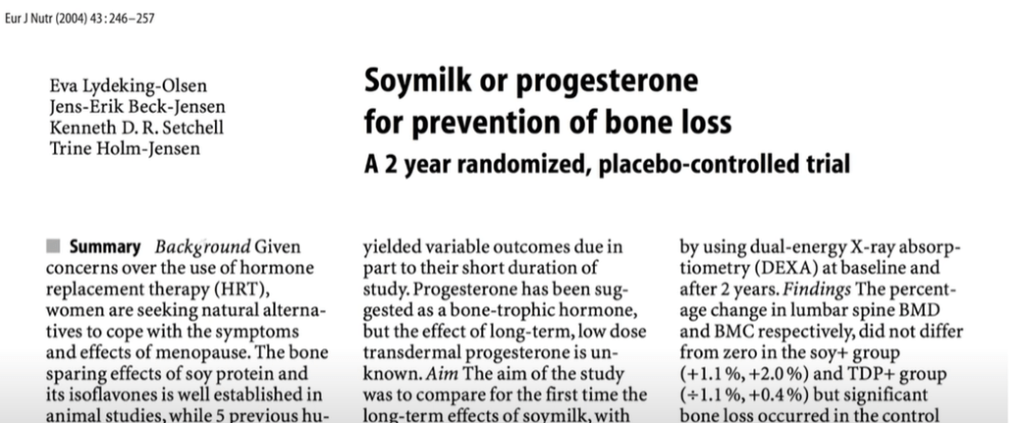
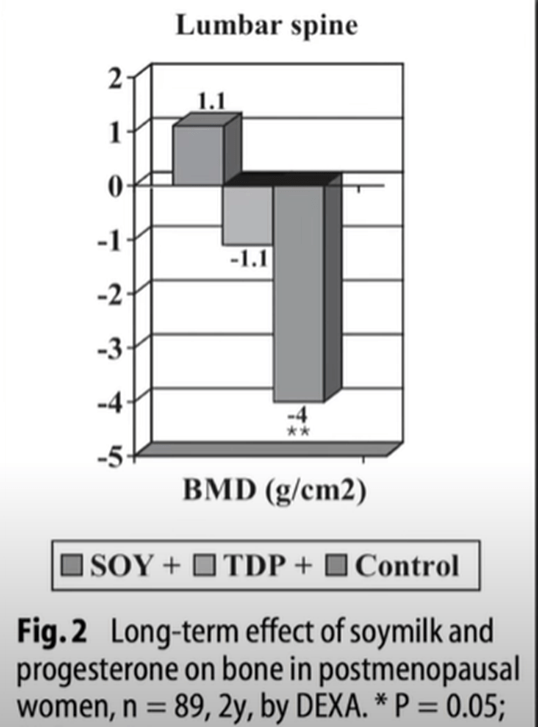
Here’s a two year study of soy milk versus progesterone or doing nothing (control) for preventing bone loss:

The results find that soy is better than progesterone or doing nothing

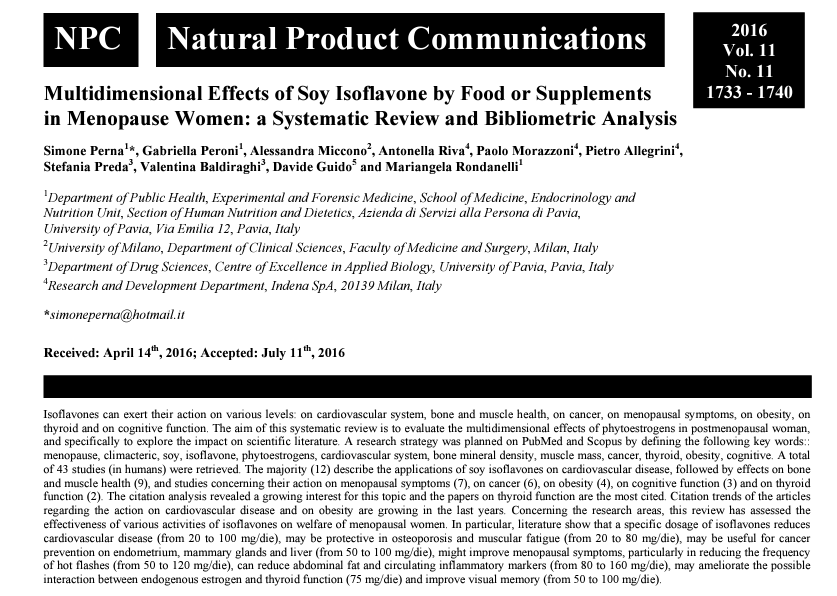
The benefits of soy are wide-ranging and documented throughout the world:

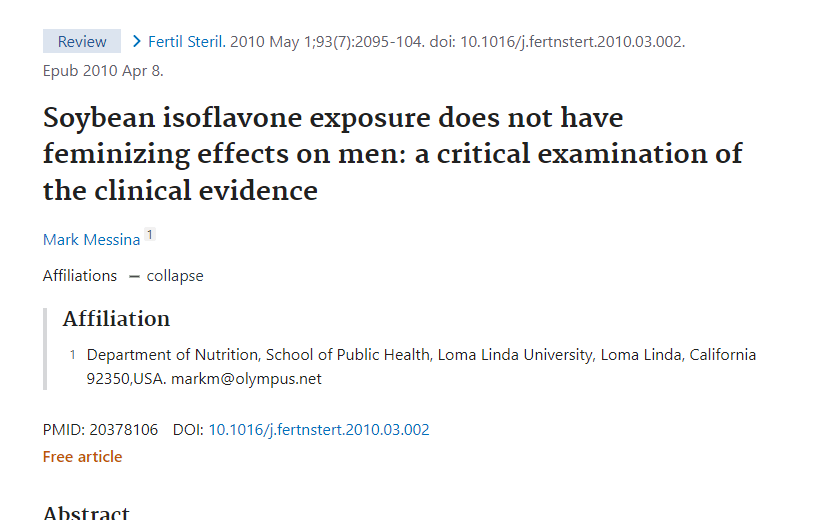
Soy does not feminize men – how many times have I heard this nonsense?

Soy is beneficial to children, and may decrease their incidence of cancer:

Soy benefits breast cancer survivors:

Conclusions: In this large, ethnically diverse cohort of women with breast cancer living in North America, a higher dietary intake of isoflavone was associated with reduced all-cause mortality. 

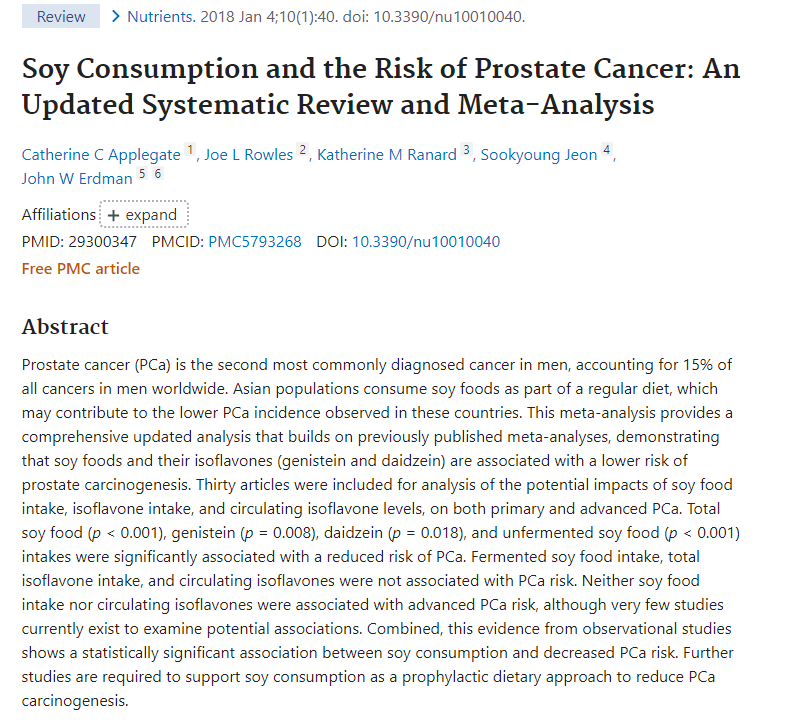
Soy reduces the risk of prostate cancer in men:

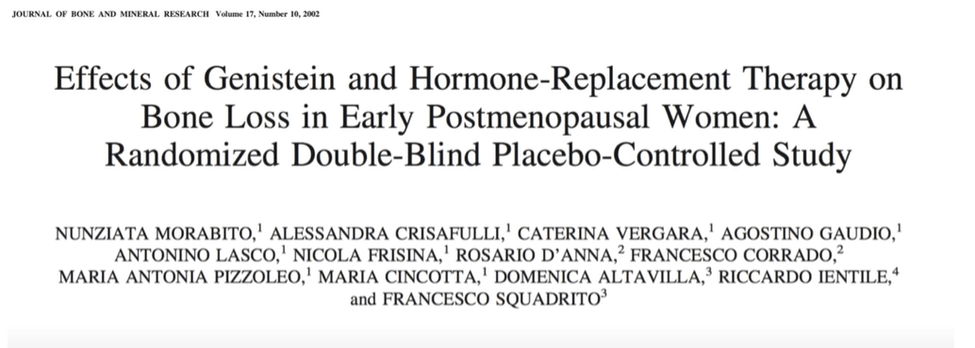
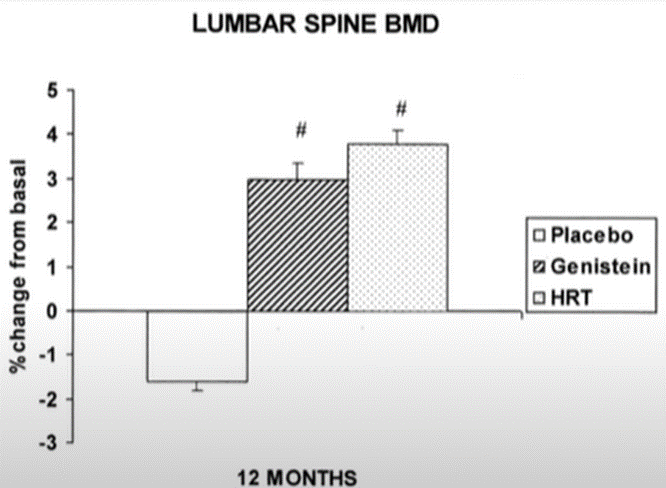
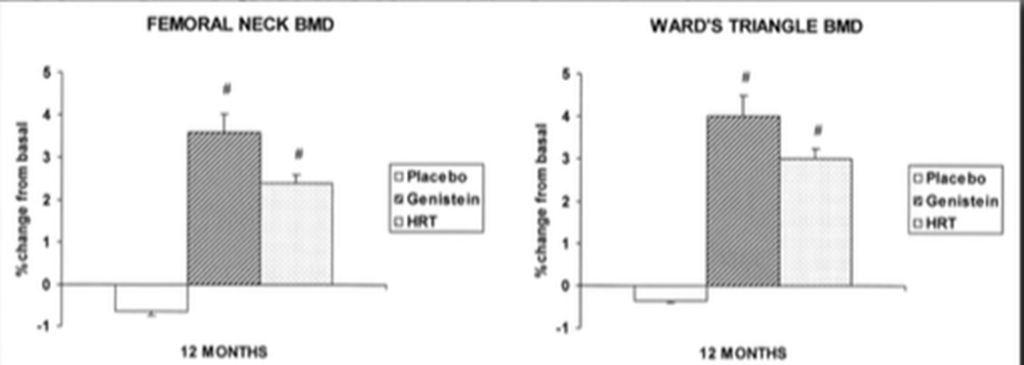
Another study of bone loss:

Results: Phytoestrogen increases bone mass equal to or better than HRT:

And this means soy lessens the chance of bone fracture in menopausal women:

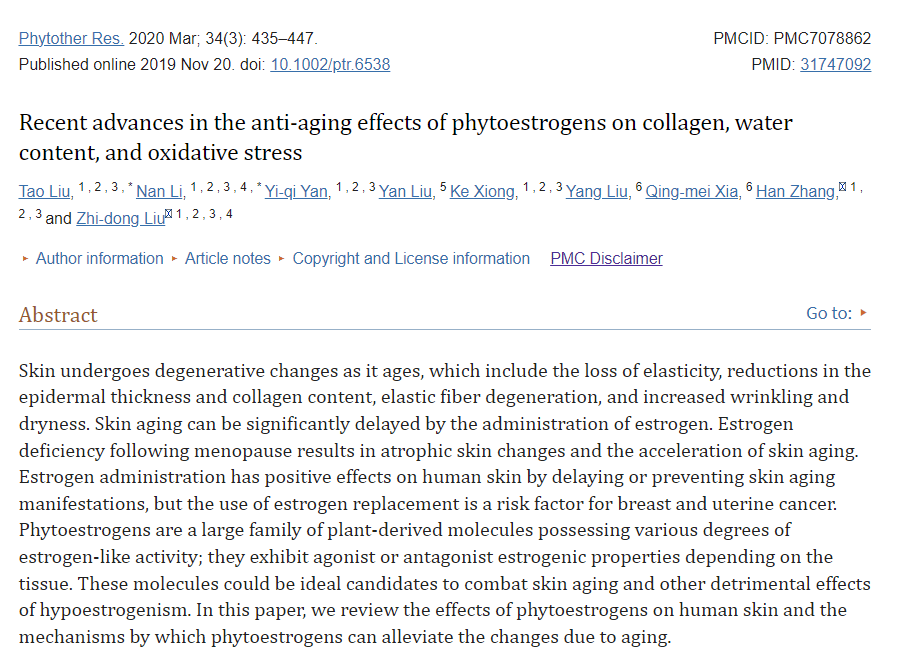
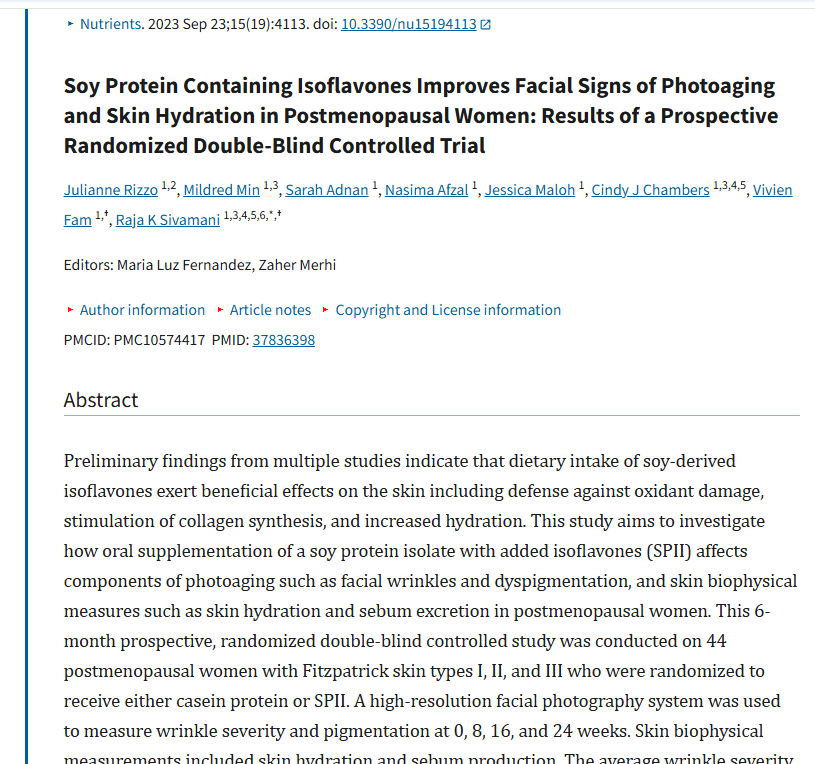
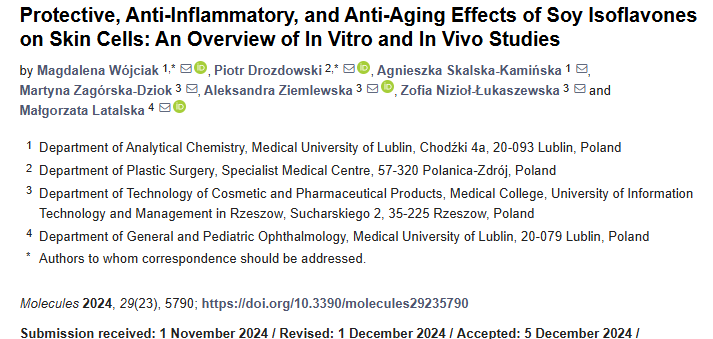
Soy also benefits the skin:

Dietary soy protein supplementation with isoflavones may improve skin photoaging, including wrinkles and dyspigmentation, and increase skin hydration in postmenopausal women

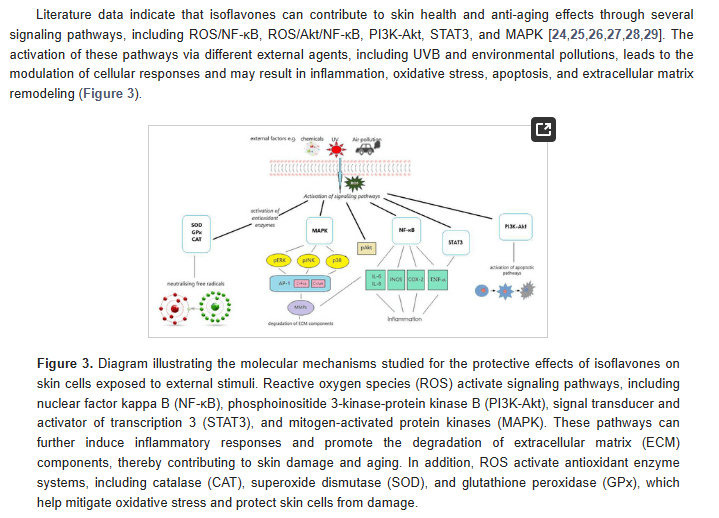
The mechanisms of action through which isoflavones in soy benefit the skin are many:

Summary

Organic soy is a great addition to the diet and beenfits the body in many ways, especially as we age and estrogen levels in the body, including the skin, decline. Evidence even indicates it has anti-cancer properties.

Why I Don’t Recommend Ablative or Wounding Procedures of the Skin

Scientists appreciate that one of the most dangerous things a cell can do is to divide. That’s what happens following an ablative or wounding procedure to the skin.

I’ve previously published papers in peer-reviewed, PubMed listed journals explaining how wounds, including micro-wounding such as that caused by microneedling procedures, induces an inflammatory response in both the innate and adpative immune systems of the skin. Such wounding is especially problematic when performed repeatedly and when bone marrow mesenchymal stem cell cytokines are applied to the wound. Even with a properly performed procedure, without infection, sterile inflammation results. And as repeated wounding procedures result in chronic inflammation, oncogenic potential is increased. Cancer has been described as wounds that do not heal.

But wounding is more than inflammation. To close the wound and remodel the damaged tissue, many cells proliferate. That means they may grow in size, and importantly, replicate themselves. So when you have an ablative or wounding procedure performed on the skin, proliferation of cells will result. This happens following acid peels, laser treatments, microneedling and other procedures that wound the skin.

So what’s wrong with proliferation of cells? Let me give you a hint. Carcinomas arise from epithelial tissue and account for as many as 90 percent of all human cancers. Why so many cancer in epithelial tissue? Because epithelial cells, including some of the cells in the skin, have high rates of proliferation. When cells proliferate, replicating themselves, they must make a whole new set of DNA. During the replication of DNA, many errors are made. Mutations result. To maintain the normal processes of the genome throughout cell function and division, we have evolved a complex network of machinery known as the DNA damage response (DDR). At least 605 proteins organized in a hierarchy of 109 assemblies is involved in maintaining our DNA. It’s complicated and doesn’t work perfectly. According to the National Cancer Institute, “Each time a cell divides, it must first duplicate its genetic material in a process called DNA replication. Because defects in this process can cause mutations that eventually lead[s] to cancer.” One problem is that DNA replication errors, especially those occurring at regions that are hard to replicate, called fragile sites, can cause breaks in the DNA strands. This can increase the probability of cancer, primarily by making it more likely that fragments of chromosomes rearrange themselves, activating genetic regions in the DNA that lead to uncontrollable cell division. The more you wound the skin, the higher the probability of inducing such mutations and breaks in the DNA strands, and the higher the probability of cancer induction. The other cancer causing factor in wounds is that the cellular matrix and microenvironment in the skin are disrupted, and this has a profound influence on increasing the chances of cancer. This was taught to me many years ago by one of our professors, Dr. Mina Bissell, Ph.D., in the Dept of Molecular and Cell Biology at Berkeley.

So wounding in the skin, especially when repetitive, such has been promulgated by non-dermatologist physicians, such as John Sanderson, who lost his license to practice medicine because of incompetence, and Lance Setterfield in their blogs and books, who call for repetitive microneedling procedures for skin care, simply don’t know what they’re doing. Thanks to my pushback, of late, Mr. Setterfield (he has an undergraduate bachelor’s degree in medicine) has toned down his call for repetitive microneedling. I hope he stops promoting dangerous bone marrow mesenchymal stem cell cytokines too. I’ve published a number of papers on the problems associated with the use of these cells, even under the most stringent conditions where the cells are used for transplantation at hospitals for blood diseases.

Other physicians, such as Mitchel Schwartz have now joined in to the microneedling craze for the sake of money, and are selling automated microneedle stamping machines to whomever wants one. Schwartz claims his device doesn’t create damage or inflammation because the needles don’t roll over the skin at an obtuse angle, but are stamped, perpendicularly, into the skin. Utter BS. His device is electronically stamping thousands of wounds into the face, and generating an immune reaction in the epidermis and dermis, leading to inflammation in the skin and inflammation throughout the body. Schwartz is even selling these devices to estheticians in California where the state’s laws forbid such procedures to be performed by estheticians. Damn the laws and damn the inflammation and cancer, there’s money to be made by selling microneedling to everyone. And some physicians love their side hustles.