Why I Don’t Formulate Products with SLS

Despite the years of research on the ill effects of SLS (sodium lauryl sulfate), I continue to hear that people, including dermatologists, are using products with this ingredient, including shampoos.

If you’ve ever Googled the causes of a skin irritation or damaged hair, you’ve likely seen posts about SLS, or sodium lauryl (or laureth) sulfate, a common ingredient in beauty products, cleansers, shampoos, toothpastes, and cleaning products.

So what does this ingredient do, why is it in everything, and what does the evidence say about how safe it is?

When we use a cleanser or shampoo, the product usually contains a detergent. That detergent is called a surfactant. A surfactant allows the oil and water molecules to bind together – it’s what’s found in soaps and detergents so we can wash our oily faces or dishes with water and remove the grime.

Sodium lauryl sulfate (SLS) is a surfactant, and its efficacy, low cost, abundance and simplicity mean it’s used in a variety of cosmetic, dermatological, and consumer products.

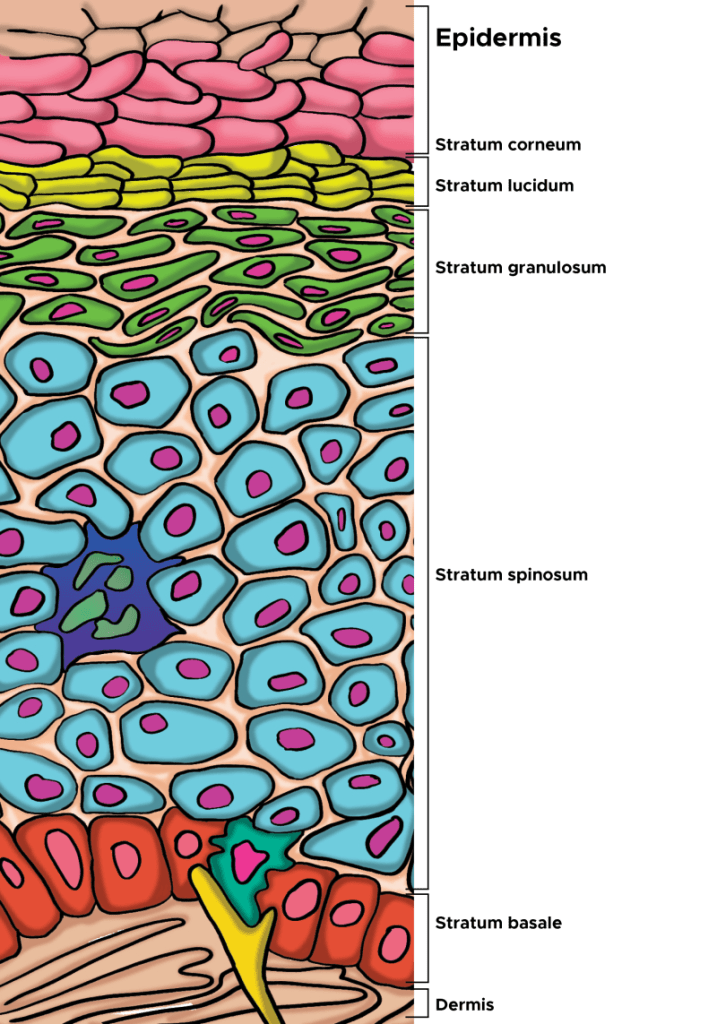
Our skin’s outermost layer, the stratum corneum of the epidermis, is specially designed to keep harmful things out, and this is where a surfactant can cause problems. Using chemicals that weaken this barrier defence mechanism can potentially cause our skin harm.

As the outermost layer of the epidermis, the stratum corneum is the first line of defense for the body, serving an essential role as a protective skin barrier against the external environment. The stratum corneum aids in hydration and water retention, which prevents skin cracking, and is made up of corneocytes, which are anucleated keratinocytes that have reached the final stage of keratinocyte differentiation (From Murphrey et al, 2022).

Some surfactants are more irritating to our skin than others. For something to be harmful, irritating or allergenic, it has to fulfill two criteria. It has to have been found in studies to irritate human skin, and it has to have the ability to penetrate the skin. SLS does both. It penetrates the stratum corneum and induces an immune reaction, and degrades the structure of the barrier.

Scientists in Germany tested 1,600 patients for SLS irritancy and found 42% of the patients tested had an irritant reaction. Another study, on seven volunteers over a three and a half month period, found regular contact caused irritation, and the irritation subsided once the skin was no longer exposed to SLS. Another study found the warmer the water used with SLS, the more irritating it will be.

SLS is a well established irritatant and is used as a positive control in dermatological testing. That is, new products being tested to see how irritating they might be to human skin are compared to the known irritant, SLS. If a person is sensitive to SLS, they might find the area that has been in contact is red, dry, scaly, itchy or sore. It’s also important to note there’s no scientific evidence SLS causes cancer, despite what is often posted on the internet. So, it’s probably OK to use SLS in products that are used for household cleaners.

Who should avoid SLS?

Everyone, especially people with a history of sensitive skin, hyperirritable skin and patients suffering from skin conditions such as atopic dermatitis (eczema), rosacea, and psoriasis are best to avoid products containing SLS. If you think it might be SLS causing a skin irritation, stop the use of the product and look for products that don’t contain SLS.

Epithelial Barrier Dysfunction in Noncommunicable and Communicable Diseases

The modern world’s dramatic increase in the number and types of chemicals in which man is exposed, a major part of of someone’s exposome, responsible for about 90% of diseases (not genetics), is causing a dramatic rise in noncommunicable and communicable diseases. Over 350 000 chemicals and mixtures of chemicals have been registered for production and use, up to three times as many as previously estimated, and an underestimate of the true number of chemical types that have been produced and commercialized. As the skin and other epithelial tissues are compromised and exposed to communicable diseases, skin and epithelial transmitted diseases are on the rise. For example, the shingles virus can enter through the skin or the epithelial tissue in our respiratory tract, and having shingles can even lead to increased risk of dementia (2nd Ref). Further, a compromised skin epithelial barrier caused by environmental factors such as mechanical trauma, exposure to exogenous proteases in microorganisms and our food, detergents, and air pollution can activate the innate and adaptive immune systems, inducing keratinocytes to release pro-inflammatory cytokines and chemokines and enhancing the antigen presentation by intradermal Langerhans cells (LCs) and dermal DCs and activating T-cells. In turn, for example, activation of T2 type T-cells leads to IL-4, IL-5, and IL-13 secretion, provoking skin barrier alteration, immune cell infiltration into skin, and itch as observed in atopic dermatitis. 

The first essential step to skin immunity is the epithelial barrier, as infection and resulting inflammation are impossible without first breaching it. Epithelia, coated with a sugary glycocalyx, not only comprise our skin but also the mucosal membranes that line our organs. Their ability to secrete squalene, mucus, lipids, and antimicrobials help protect against pathogen invasion. Additionally, epithelia can prevent inflammation by physically shoving out cells infested with toxins, allergens, antigens, pathogens, or other damage by seamlessly extruding them. This is a strategy employed by not only epithelia, but also our hair does the same as it sheds. Given that chronic inflammation could stem from a defective epithelial barrier, the current approach of treating only the inflammation will only partially mitigate symptoms of a more central problem, ongoing wound healing and disrupted barrier.

Scientists now understand that in patients with allergic disease, regardless of tissue location, the homeostatic balance of the epithelial tissue barrier is skewed toward loss of differentiation, reduced junctional integrity, and impaired innate defense and a hyperactive adaptive (trained immunity) immune system. Importantly, epithelial dysfunction characterized by these traits appears to pre-date a predisposition to immunological responses against a range of antigens or allergens, and development of allergic disease.

From the disease perspective, trained immunity is beneficial, as it improves the host’s defense against subsequent infection from pathogens. However, it can also be detrimental and result in overly active immune responses or chronic inflammation.  Even the innate immune system has some memory, given evidence that components in House Dust Mite extract activate and likely train macrophages to produce high amounts of CCL17, IL-6, and cysteinyl leukotrienes following re-exposure to HDM through the TNF-α and PGE2 pathways. Thus, an activated immune system, one that has memory and is primed to react, can lead to sensitivities that may be triggered by an overabundance of chemicals in the environment, and those sensitivities heightened by a disrupted barrier.

Evidence that epithelial barrier dysfunction explains the growing prevalence and exacerbations of inflammatory diseases such as eczema has grown through many studies performed world-wide. Diseases encompassed by the epithelial barrier theory share common features such as an increased prevalence after the 1960s that cannot be accounted soley by the emergence of improved diagnostic methods. They are indeed increasing in prevalence, i.e. the number of afflictions per 1,000 people.

Eepithelial barrier dysfunction enables the microbiome’s translocation from the skin’s surface to interepithelial and deeper subepithelial areas, doing in combination with allergens, toxins, pathogens, and pollutants. Thereafter, microbial dysbiosis and possible infection, characterized by colonization of opportunistic pathogenic bacteria and loss of the number and biodiversity of commensal bacteria results. Local inflammation, impaired tissue regeneration, and remodeling characterize the skin that suffers from impaired barrier. For example, commensal bacteria on the skin’s surface are important for epidermal lipid synthesis and improve barrier function. The skin’s microbiome is therefore critical to maintaining epidermal barrier function. The infiltration of inflammatory cells and inflammatory cytokines to affected tissues is part of the immune system’s response to erradicate invading bacteria, allergens, toxins, and pollutants away from the deep tissues. As Peter Elias, M.D. has written, “AD [atopic dermatitis] can be considered a disease of primary barrier failure, characterized by both a defective permeability (Proksch et al., 2006, and references therein) and antimicrobial function.” Further, inflammatory cells and inflammatory cytokines that migrate from the skin to other organs may play roles in the exacerbation of various inflammatory diseases in other organs. Thus, inflammation iniated in the skin may contribute to chronic inflammatory diseases in other tissues.

What Dr. Elias has been saying is that the permeability-barrier abnormality in AD is not merely an epiphenomenon but rather the “driver” of disease activity, an “outside–inside view of disease pathogenesis” (Elias and Feingold, 2001). The evidence for this is: (1) the extent of the permeability-barrier abnormality parallels severity of disease phenotype in AD, (2) both clinically uninvolved skin sites and skin cleared of inflammation for as long as 5 years continue to display significant barrier abnormalities, (3) topical artificial barrier therapy comprises effective ancillary therapy, and (4) specific replacement therapy, which targets the prominent lipid abnormalities that account for the barrier abnormality in AD, not only corrects the permeability-barrier abnormality but also comprises effective anti-inflammatory therapy for AD (Figure 1Chamlin et al., 2002). Thus, inflammation in AD may begin with insults from without, i.e. the exposome.

That barrier insult can then activate epithelial cells in the skin, keratinocyes, which are non-professional immune cells, but do possess MHC-II molecules, that present antigens to professional immune cells, such as T-cells. Thus, with disrupted barriier, the keratinocytes can recognize antigens and present them to the immune system, leading to inflammation. More and more, scientists are discovering how epithelial cells are part of the immune system, regardless in which organ they exist. Key here is to protect barrier function in all of our epithelial tissues, including the skin.

So if inflammatory diseases such as eczema and psoriasis are environmentally triggered and lead to barrier dysfunction and resultant inflammation, what can we do?

First, calm the inflammation. It’s destructive and further degrades the epidermal barrier. S2RM technology (in NeoGenesis Recovery) is great for reducing inflammation, doing so in both the innate and adaptive immune systems.

Second, use a topical product that provides the 3 lipids and natural moisturizing factors that are needed to rebuild normal stratum corneum and barrier function. One product to use is NeoGenesis Barrier Renewal Cream (BRC).

Third, use a product that provides instantaneous barrier function and commensal bacteria. The instantaneous barrier allows the BRC to rebuld the natural barrier function over time, and the commensal bacteria help to rebuild the barrier through activation of lipid synthesis by skin cells. The commensal bacteria in Neogenesis MB-2 also help to reduce the Staphylococcus aureus infection often assicated with disrupted barrier function.

So remember, these inflammatory skin conditions are triggered by the environment. Therefore, their treatment and prevention means that if you change your environment, you can prevent or treat these diseases. Part of changing your environment is the careful choice of topical products to reduce inflammation and renormalize the structure and function of your skin.
Eczema: Natural Aryl Hydrocarbon Receptor Activation -Another Pathway Through Which Adipose Mesenchymal Stem Cell Secretome Reduces Inflammation

Activation of the aryl hydrocarbon receptor (AhR) through its natural ligands, has been found to reduce skin inflammation, reduce oxidative stress, and upregulate skin barrier protein expression. AhR also inhibits the generation, persistence, and cytokine production of resident memory T cells in the skin. Stem cell released molecules (secretome) from adipose mesenchymal stem cells includes kynurenine, which is an AhR agonist.

The molecules released (secretome) from adipose mesenchymal stem cells (ADSCs) are diverse (Maguire, 2013) and and have many immunotherapeutic actions. Recent studies provide evidence that one mechanism by which the secretome of ADSCs act is through their agonist activities at Aryl hydrocarbon receptors (AhR). Such AhR agonist activity is highly therapeutic to eczema (Eichenfield et al, 2023).

The aryl hydrocarbon receptor (AhR) is expressed in various tissues characterized by a rapid growth rate, including human skin. Kynurenic acid, a product of tryptophan metabolism enzymatically formed from kynurenine, is a natural ligand for AhR. However, AhR is a promiscuous receptor, binding many unnatural ligands such as environmental toxins. This is important, because if the AhR is activated by unnatural ligands, such as air pollution (PM2.5 for example), ill effects can result. The soluble factors (kynurenine and downstream metabolites) generated by IDO (Indoleamine 2,3-dioxygenase) can bind and activate the aryl hydrocarbon receptor to promote Treg cell differentiation and the induction of dendritic cells expressing an immunosuppressive phenotype. Further, in a dose-dependent response, kynurenine upregulates the expression of immunosuppressive genes, such as TGFB1 and IDO1.

Mechanistically, ADSCs release kynurenine, which is a tryptophan metabolite catalyzed by IDO, to activate the aryl hydrocarbon receptor and enhance its downstream target NFE2L2 in macrophages. NFE2L2-encoded NRF2 not only functions as a master regulator of antioxidant defense but also represses the expression of inflammatory genes. As expected, NRF2 upregulation in macrophages was inhibited by inhibiting IDO and 1-methyltryptophan (1-MT), and the anti-inflammatory effect of ADSCs on macrophages was blocked when NRF2 expression in macrophages was silenced. Kynurenic acid, another IDO-derived metabolite that shares the same aryl hydrocarbon receptor as kynurenine, can promote TNF-α-stimulated gene-6 (TSG-6) expression, which is also released from ADSCs, and alleviate neutrophil infiltration of tissues (Wang et al, 2018).

In summary, the secretome from ADSCs contains a number of molecules (IDO, kynurenine, kynurenic acid) that naturally activate aryl hydrocarbon receptors to reduce inflammation in the skin, and provide long term therapeutic benefit to skin diseases such as Eczema and Psoriasis.

Air Pollution and Eczema on the Rise

Air pollution is wreaking havoc on your skin. Simple steps to mitigate the problems associated with pollution include gentle cleansing, topical products to reduce oxidative stress and to restore barrier function.

Whether it’s jet fuel, leaded fuel for non-jet aircraft, auto exhaust, forest fires, wars such as Iraq, Gaza, and the Ukraine, or industrial fumes as causative factors, “the estimated lifetime prevalence of atopic dermatitis has increased 2~3 fold during over the past 30 years, especially in urban areas in industrialized countries, emphasizing the importance of life-style and environment in the pathogenesis of atopic diseases” (Kim, 2015). “Atopic dermatitis (AD) has increased in prevalence to become the most common inflammatory skin condition globally, and geographic variation and migration studies suggest an important role for environmental triggers” (Fadadu et al, 2023).

Air pollution can make people more sensitive to other allergens by eliciting an immune system hyper-response. This can degrade the skin’s barrier function, and now that immune system hyper-alert signaling is more exposed to the outside world and even more sensitive. Essentially, air pollution is opening up the skin by degrading it’s barrier, and making that contact between the skin’s immune system and the environment more robust. Air pollution is a catalyst in a chemical reaction, as scientists at the Max Planck Institute have written, “Fine particulate matter catalyzes oxidative stress.” The key, air pollution is causing oxidative stress in the skin, leading to chronic inflammation, a root cause in many inflammatory skin conditions, including eczema.

The illustration shows the health effects of atmospheric air pollution. The model simulations of Thomas Berkemeier and his team suggest that PM2.5 acts by conversion of a reservoir of reactive oxygen species (such as peroxides) into highly reactive OH radicals. these reactions take place in the epithelial tissue fluid, which is a thin aqueous film in the lungs and skin in which air pollutants dissolve or deposit.

For day-to-day protection from modern man’s air and water pollution and climate change (think increased fires), use air filters for the home and use mineral sunscreens with zinc or titanium, which create a physical barrier that makes it more difficult for airborne pollutants to come into direct contact with the skin. It’s also important to have a good cleansing regime. Wash the pollutants off at night with a gentle cleanser, use a product that reduces the oxidative stress, and then put on a fragrance-free hypoallergenic moisturizer containing free fatty acids, ceramide, and cholesterol that will help the skin barrier heal overnight.

Molecules Released from Human Adipose Derived Mesenchymal Stem Cells and Fibroblasts Promote Epidermal Barrier Repair

The S2RM technology that I developed is based on the molecules released from skin derived adipose mesenchymal stem cells (hASCs) and fibroblasts (HNDF). This combination of many molecules has many benefits to the skin. In this blog, I focus on the benefits of these molecules in helping to repair epidermal barrier function.

A number of diseases and conditions of the skin involve epidermal barrier dysfunction. For example, eczema is a multifactorial, heterogeneous disease associated with epidermal barrier disruption and intense systemic inflammation of the skin. Our previous work has found that S2RM attenuates the symptoms of eczema, including atopic dermatitis (AD). Studies of the mechanisms of action of the molecules present in S2RM suggest that these molecules effectively restore epidermal barrier functions in AD by facilitating the synthesis of ceramides, and creating a thicker epidermis.

hASCs as well as human dermal fibroblasts (HNDF) have a positive impact on keratinocytes proliferation, stemness maintenance, and adhesiveness to membranes via paracrine involvement when co-cultured using the collagen. This means the keratinocytes, largely responsible for building the epidermal barrier, are maintained in a younger and healthier state by the stem cells (hASCs and HNDF) that are releasing molecules into the epidermis from their location in the dermis.

These functions, along with the many other functions of the hASCs and HNDF including modulating immune function into an anti-inflammatory, pro-repair state, important to all epithelial tissues, are critical to good skin health.

Eczema (Atopic Dermatitis): Delayed Gut Microbiota Maturation in the First Year of Life is a Hallmark of Pediatric Allergic Disease

Allergic diseases affect millions of people worldwide, and are on the rise. An increase in the prevalence of these diseases has been associated with alterations in the gut microbiome, i.e., the microorganisms within the gastrointestinal tract. Maturation of the infant immune system and gut microbiota occur in parallel; thus, the normal development of the microbiome likely determines tolerant immune programming in the infant. Antigens are substances that can produce an immune response, and tolerant immune programming is a mechanism of immune tolerance where the self-antigen is protected from the immune system’s destructive response. Thus the immune system is programmed to be destructive against non-self-antigens (bacteria and viruses contain non-delf antigens, for example), but not self antigens. 

A new study reported that a trend in maturation alteration is characterized by depletions in the bacterial species A. hadrus, F. saccharivorans, E. hallii, and B. wexlerae in participants who later developed allergic diseases, as well as enrichments in E. lenta, C. innocuum, E. faecalis, E. coli, and T. nexilis in these participants. The depleted bacterial populations are known short-chain fatty acid (SCFA) producers, notably the butyrate producers A. hadrus, E. hallii, and F. saccharivorans and the acetate producer B. wexlerae; SCFAs are metabolites that mediate well-defined host benefits within the gut. The authors also reported a depletion of butyrate in allergy-prone participants and significant associations between A. hadrus and F. saccharivorans respective relative abundance and butyrate concentration. This strengthens the postulation that the production of butyrate and its effect on immune cells is a mode by which optimal immune modulation occurs during early life. In contrast, species enriched in allergy-prone participants have been linked to pathogenic activity and poor health outcomes, with many of these microbiome features associating with metabolites enriched within these same participants.

Most diseases are consequence of our exposome, and not hereditary genetic factors. Our exposome greatly affects our microbiome. Established primarily during infancy, the developing microbiota’s initial expansion and fluctuation are particularly sensitive to external influences before reaching a more stable community. Sensitivity of the microbiome is most pronounced during infancy, and abnormal exposures, such as that in a hospital setting, especially during a C-section, that can drastically alter the microbiome. The number of C-Sections in 2015 doubled in comparison to those registered in 2000, and jurisdictions such as California have instituted programs to stop the medical practice of performing unneeded C-sections. Indeed, many risk factors for allergic diseases, including mode of delivery, diet, urban living, and antibiotic exposure (such as the overprescribed broad spectrum antibiotic Amoxicillin), also influence early microbiota membership and structure. Note: the broad spectrum antibiotics are particularly harmful because the drug kills so many beneficial types of bacteria. While this maturation process usually coincides with the development of healthy immune tolerance, allergic sensitization can emerge in many children because of their exposome during the same period as the microbiota is being established.

Overall, the authors compared 1115 children with asthma, allergic rhinitis, food allergy, or Eczema (atopic dermatitis) to a rigorously defined, non-allergic comparator group. They described detailed underpinnings driving this decrease in gut microbiome maturation, encompassed within the alteration of a core group of bacterial species, functional pathways (i.e., potential intestinal mucous integrity breakdown, elevated oxidative stress levels, and subsequently oxidized monosaccharides, and diminished secondary fermentation), and metabolic imbalance i.e., elevated trace amines that can be involved in inflammation and neural function, and associated with reduced microbiota-maturation age and elevated risk of allergy.

Bottom line, the infant exposome is critical for the development of a normal microbiome and a life without allergy and skin conditions without Eczema.

Eczema on the Rise: What to Do.

Atopic dermatitis (AD), an inflammatory skin condition is a form of eczema. Eczema refers to a group of conditions that cause inflamed skin. There are many types of eczema. Atopic dermatitis is the most common type. Recent studies of AD have found that both structural abnormalities of the skin and immune dysregulation play important roles in the pathophysiology of the disease.  Impairment of epidermal barrier function, for example, owing to deficiency in the structural protein filaggrin, can promote inflammation and infiltration of immune cells, such as T cells. And, as we age, immune cells, such as macrophages, become more inflammatory because of a loss of certain calcium pumps within the mitochondria (mCa2+). Specifically, mCa2+ uptake capacity in macrophages drops significantly with age. This amplifies Ca2+ signaling in the cytosol of the macrophage and promotes NF-κB activation, rendering the macrophages prone to chronic low-grade inflammatory output at baseline and hyper-inflammatory when stimulated. This means if you have interrupted skin barrier, and a trigger penetrates and presents in the skin, older people will likely have an exaggerated, pro-inflammatory macrophage response that elicits an inflammatory cascade. While this phenomenon increases with age, many people with inflammatory skin conditions can experience this too. While macrophages are necessary for normal skin function, the inflammatory types are not. One way to reset macrophage types from an inflammatory state to an anti-inflammatory, pro-repair state is the use of skin derived mesenchymal stem cell secretome (stem cell released molecules). This so-called S2RM technology is available in Neogenesis Recovery. Our studies have found Recovery to work well to quell the inflammation associated with psoriasis and AD.

Therefore, optimal management of AD requires a multifaceted approach to heal and protect the skin barrier and address the complex immunopathogenesis of the disease. Other types of eczema include contact dermatitis, nummular eczema, and dyshidrotic eczema. People often say atopic dermatitis when referring to any one of these conditions. Although eczema involves an immune response, it is not considered an autoimmune condition because eczema is not self-triggered, rather it is induced by environmental factors. However, once chronic inflammation is induced, tissue breakdown from the inflammation can elicit an autoimmune response and become self-sustaining. That is, inflammation induces tissue breakdown that causes sterile inflammation, which then leads to further tissue breakdown. And the cycle continues. At this point, if the environmental trigger is stopped, an autoimmune response may continue from the damage signals emanating from the structural breakdown of the epidermis. This process is called inflammaging. People with AD have a higher prevalence and incidence of autoimmune conditions compared to the general population. BTW, the epidemiological terms, prevalence is about what’s out there, while incidence tells you what’s new.

In 2000, the American Academy of Dermatology (AAD) warned Americans: eczema was on the rise. In the warning, the group of dermatologists said that the rate of atopic dermatitis, a form of eczema, had nearly tripled since 1970. This provides evidence that the disease is a consequence of environment and not hereditary-genetics. At the time, it was estimated that nearly 6 percent of all Americans had the condition that can cause itchy, red, and scaly skin. Today, the National Eczema Foundation estimates that at least 10 percent of Americans have eczema, and that one in ten people will have eczema in their lifetime. I want to stress that this is an inflammatory disease where the skin’s innate and adaptive immune systems have gone awry. Immune cells are abnormally activated and may be found in parts of the skin, the epidermis, where they are not normally resident as happens in a similar disease called psoriasis. Itch (pruritis) is associated with neuroinflammation of the skin’s, part of the neuro‐immuno‐cutaneous (NIC) system. The skin’s microbiome will also be altered, a dysbiosis occurs where Staphylococcus aureus proliferates in overabundance. And remember, as I always stress, inflammation in the skin means inflammation in the body.

Exposure to tailpipe emissions is a big factor in eczema. Diisocyanates from auto exhausts show temporospatial and epidemiological association with AD while also inducing eczematous dysbiosis. As the authors of this study correctly point out, “The prominent AD paradigm is that the disease has a multifactorial pathology, but with frequent reference to genetic predispositions causing defects in barrier and/or inflammatory pathways. However, the stark post-industrialization increase in AD prevalence strongly suggests that environmental factors must play a substantive role.” In other words, eczema is another environmental disease – forget the genetics-hereditary hype.

What to do? Cleanse the skin daily with a gentle cleanser. No harsh alcohol cleanser or those with strong surfactants such as sodium lauryl sulfate (SLS). In this way you’ll remove those environmental toxins, antigens, allergens, and haptens that can trigger the inflammatory response. Use something mild like NeoGenesis Cleanser, or a similar mild cleanser. Be very careful to choose products without harsh chemicals that degrade the barrier and have allergic triggers. BTW, I’ve formulated a new cleanser for eczema and other inflammatory skin conditions that is currently in testing. More about this in future posts. I also have a new topical probiotic (yes, it’s really possible to do this) that I’ve formulated, also in testing. It remediates the dysbiosis associated with eczema. And because barrier function is perturbed in these conditions, using a product to restore the function of the stratum corneum and its barrier function is very important. This helps to prevent those environmental triggers from penetrating into the skin and inducing an immune response. Using a product, such as Neogenesis Barrier Renewal Cream, can help to rebuild the skin’s natural barrier function, preventing those triggers from entering the skin.

I have a trio of products that I’ve formulated for these skin conditions, and I’ll have more to say in the months ahead about how well they are working. The formulas are backed by decades of research, and while early results are promising, it will be interesting to see for what conditions they work best in real world studies. Stay tuned.