Mechanisms Of Action of NeoGenesis Hair Thickening Serum

Topical application of Hair Thickening Serum (HTS) promotes hair growth by two key means: Providing, 1. Skin and hair follicle endogenous molecules from skin and hair follicle stem cells (Adipose mesenchymal stem cells, fibroblasts, and dermal papillae) that drive and maintain the transition from telogen to anagen, and 2. Botanical ingredients normally derived from healthy diets that support hair growth.
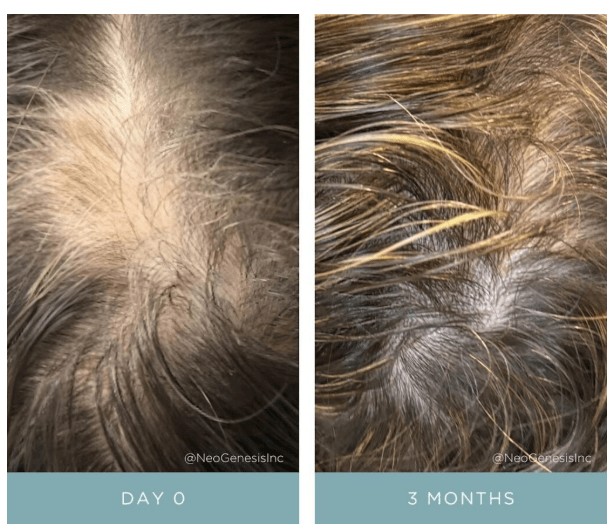
Simple topical application of NeoGenesis Hair Thickening Serum, b.i.d., twice daily.

Let’s look at the hair growth cycle, and some of the many factors affecting hair growth. I’ll then explain some the mechanisms by which HTS drives the hair follicle to the anagen phase.
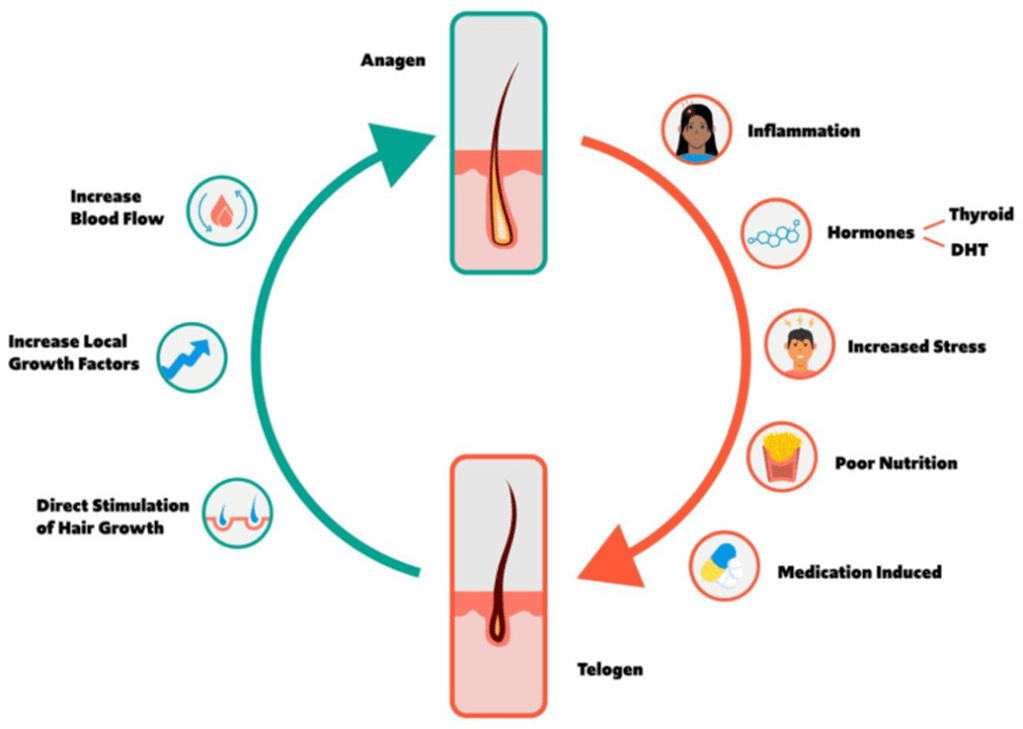
Figure 1. Schematic of the hair growth cycle and the factors that may influence a transition from anagen to telogen vs. telogen to anagen phase. From Natarelli et al, 2023.

HTS Mechanisms of Action in the Hair Growth Cycle

HTS’ mechanisms of action at the hair follicle are many. Here I consider a simplified summary of some of the pathways that the stem cell released molecules and botanical ingredients activate or inhibit to drive and maintain the follicle’s transition to the anagen phase.

Transition from Anagen to Telogen

Inflammation – An immunoprivileged state in the follicle is needed to drive anagen, and inflammation transitions the follicle to telogen instead (Bertolini et al, 2020). HTS reduces inflammation in the innate and adaptive immune systems by using the secretome from adipose mesenchymal stem cells – both the exosomal fraction and soluble fractions that act synergistically to optimally reduce inflammation (González-Cubero et al, 2022; Mitchell et al, 2019)

Hormone – ADSC secretome inhibits negative effects of DHT on hair growth (Tang et al, 2023; Fu et al, 2025).

Poor Nutrition – HTS contains nutrients to support hair growth. Larix Europaea Wood Extract, containing Dihydroquercetin-glucoside (polyphenol), EGCG (polyphenol catechin), glycine, zinc, Camellia Sinensis Leaf Extract, Santalum Acuminatum Fruit Extract, Citrus Glauca Fruit Extract, Acacia Victoriae Fruit Extract, Trifolium Pratense (Clover) Flower Extract (providing an abundance of polyphenols and antioxidants).

Stress – ADSC secretome mitigates immunological disturbances affecting the hair follicle (HF) and contributing to hair loss. ADSCs are able to suppress lymphocyte proliferation and, inhibit complement activation and dendritic cell differentiation from monocytes and therefore are considered natural immunosuppressants (Salhab et al, 2022).

Transition from Telogen to Anagen

Blood Flow – Secretome of ADSCs promotes angiogenesis and increased blood flow to follicles (Silveira et al, 2022; Zhu et al, 2020)

Direct stimulation of Hair Growth – Exosomes from dermal papillae cells drive hair follicle stem cell proliferation to rebuild hair follicle (Li et al, 2023), while fibroblasts provide many building-block proteins need to reconstruct the follicle architecture as it transitions from telogen to anagen (Suh et al, 2023).

Increased Local Growth factors – Fibroblasts (Lin et al, 2015), ADSCs (Won et al, 2017), and dermal papillae (HU et al, 2020) secretome all provide necessary growth factors to induce transition to anagen

References

Bertolini M et al (2020) Hair follicle immune privilege and its collapse in alopecia areata. Exp Dermatol. 29: 703–725.

Fu Y, Han YT, Xie JL, Liu RQ, Zhao B, Zhang XL, Zhang J, Zhang J. Mesenchymal stem cell exosomes enhance the development of hair follicle to ameliorate androgenetic alopecia. World J Stem Cells 2025; 17(3): 102088

Fu Y, Han YT, Xie JL, Liu RQ, Zhao B, Zhang XL, Zhang J, Zhang J. Mesenchymal stem cell exosomes enhance the development of hair follicle to ameliorate androgenetic alopecia. World J Stem Cells 2025; 17(3): 102088 [PMID: 40160691 DOI: 10.4252/wjsc.v17.i3.102088]

González-Cubero, E et al (2022) María L. González-Fernández, Elias R. Olivera, Vega Villar-Suárez,Extracellular vesicle and soluble fractions of adipose tissue-derived mesenchymal stem cells secretome induce inflammatory cytokines modulation in an in vitro model of discogenic pain,The Spine Journal,Volume 22, Issue 7,2022, Pages 1222-1234

Li J, Zhao B, Yao S, Dai Y, Zhang X, Yang N, Bao Z, Cai J, Chen Y, Wu X. Dermal PapillaCell-Derived Exosomes Regulate Hair Follicle Stem Cell Proliferation via LEF1. Int J Mol Sci. 2023 Feb 16;24(4):3961.

Lin WH, Xiang LJ, Shi HX, Zhang J, Jiang LP, Cai PT, Lin ZL, Lin BB, Huang Y, Zhang HL, Fu XB, Guo DJ, Li XK, Wang XJ, Xiao J. Fibroblast growth factors stimulate hair growth through β-catenin and Shh expression in C57BL/6 mice. Biomed Res Int. 2015;2015:730139.

Mitchell R et al (2019) Secretome of adipose-derived mesenchymal stem cells promotes skeletal muscle regeneration through synergistic action of extracellular vesicle cargo and soluble proteins. Stem Cell Res Ther. 10(1):116.

Natarelli N, Gahoonia N, Sivamani RK (2023) Integrative and Mechanistic Approach to the Hair Growth Cycle and Hair Loss. J Clin Med. 2023 Jan 23;12(3):893.

Salhab O, Khayat L, Alaaeddine N (2022) Stem cell secretome as a mechanism for restoring hair loss due to stress, particularly alopecia areata: narrative review. J Biomed Sci. 2022 Oct 5;29(1):77.

Shiqi Hu et al. (2020) Dermal exosomes containing miR-218-5p promote hair regeneration by regulating β-catenin signaling.Sci. Adv.6,eaba1685(2020).

Silveira BM, Ribeiro TO, Freitas RS, Carreira ACO, Gonçalves MS, Sogayar M, et al. (2022) Secretome from human adipose-derived mesenchymal stem cells promotes blood vessel formation and pericyte coverage in experimental skin repair. PLoS ONE 17(12): e0277863.

Suh SB, Ahn KJ, Kim EJ, Suh JY, Cho SB. (2023) Proteomic Identification and Quantification of Secretory Proteins in Human Dermal Fibroblast-Conditioned Medium for Wound Repair and Hair Regeneration. Clin Cosmet Investig Dermatol. 2023;16:1145-1157

Tang, Xin, Cao, Cuixiang, Liang, Yunxiao, Han, Le, Tu, Bin, Yu, Miao, Wan, Miaojian, Adipose-Derived Stem Cell Exosomes Antagonize the Inhibitory Effect of Dihydrotestosterone on Hair Follicle Growth by Activating Wnt/β-Catenin Pathway, Stem Cells International, 2023, 5548112, 20 pages, 2023.

Won CH et al (2017) The Basic Mechanism of Hair Growth Stimulation by Adipose-derived Stem Cells and Their Secretory Factors. Curr Stem Cell Res Ther. 2017;12(7):535-543

Zhu, D., Johnson, T.K., Wang, Y. et al. (2020) Macrophage M2 polarization induced by exosomes from adipose-derived stem cells contributes to the exosomal proangiogenic effect on mouse ischemic hindlimb. Stem Cell Res Ther 11, 162.
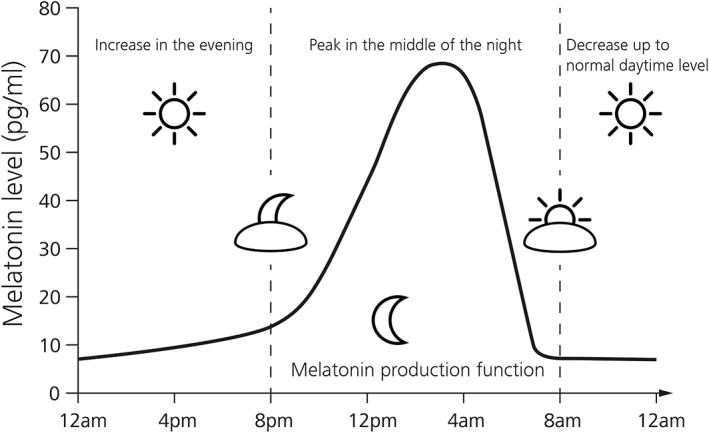
The Skin’s Circadian Rhythm: Skin Permeability Increases at Night

I’m frequently asked if applying skin care products at night is more effective than during the day. Numerous studies provide evidence that if you’re applying a product that is meant to penetrate the skin, it will do so more effectively at night. The Skin’s Circadian Rhythm and Epigenetic Mechanisms are the primary underlying causes. So powerful is the circadian rhythm in humans, that certain cancer drugs working more efficaciously and with greater safety when adminstered at night versus during the day.

When night arrives, and the blue light that suppresses melatonin (a potential epigenetic regulator) is diminished, a remarkable physiological change comes over the body including the skin. Cells, such as fibroblasts in the dermis, have an intrinsic clock, as well as being controlled by systemic influences that is likely, at least partially, under the control of epigenetic mechansisms. Environmental regulators, in this case, blue light, can change the expression (not the sequence structure) of our DNA through epigenetic mechanisms. The mechanisms are the envionmental control of proteins and microRNA that interact with DNA to upregulate or downregulate gene expression, which leads to the making of our proteins and microRNA. In other words, the environmental light is turning-up or -down the expression of proteins and microRNA, which in turn regulates the physiology and anatomy of the skin leading to increased skin permeability at night. Although other studies have found variations at different skin sites, permeability of the skin increases at night for both normal skin and those with atopic dermatitis.

One of the microRNA turned-up at night is microRNA-146a. Fibroblasts are activated to release microRNA-146a during sleep, which will help to activate other cells, dramatically ramp up DNA repair, protein production, and cell division. This activity has evolved to repair the damage caused by the day’s environmental onslaught, such as UV rays and pollution, damage that can lead to chronic inflammation and visible aging.

From: Wahl et al, 2019.

These intricate processes in the skin require complex coordination, a task dependent on the body and the skin’s internal clock mechanism that controls the circadian rhythm. This internal clock system leads to repair in the night hours, when UV rays and other damaging influences are absent or minimized. However this system can become dysregulated through aging, stress levels, lack of sleep, and toxins, pathogens, and allergens.

Adipose Mesenchymal Stem Cell and Fibroblast Secretome – Epigenetic Regulators

Epigenetic regulation is complex. It occurs throughout the body, including the skin. Proteins, such as SIRT1, and micoRNA, such as miR-146a, are two of the many known epigenetic regulators in the skin. Evidence (Heo and Kim, 2022) suggests that human adipose mesenchymal stem cells secrete microRNA 146a (miR-146a). This is also true of human dermal fibroblasts (Stafa et al, 2024), both of which are a part of the NeoGenesis S2RM technology used in our products, such as Recovery, Skin Serum, and Booster. In the human body, miR-146a has many functions, including control of the adaptive immune system by regulating antibody production. Adipose mesenchymal stem cells also control SIRT1 pathways. Loss of SIRT1 function in the skin has many effects, including disruption of barrier function in the epidermis. Skin sensitization and inflammation result. Envornmental regulators, such as particulate matter in the air, induce senescence of skin keratinocytes through oxidative stress-dependent epigenetic modifications. In other words, pollution is inducing aging in keratinocytes through epigenetic changes. Likewise, photaging also has an important epigentic component creating damage. Let’s look at another function of miR-146a that is critical to skin health and involves circadian rhythms in the skin.

Inhibition of miR-146a suppresses activity in one of the cellular clock genes, PER1, and can lead to an increase in cellular damage as well as other changes seen during ageing, such as reduced collagen production and increased inflammation. That’s a double whammy to our collagen. Much of the collagen in the body, including skin, is long-lived with a half-life of 15-30 years. That means some collagen will be with you through most, if not all, of your life. And it accumulates damage from inflammation. Other collagens do turnover more rapidly. Therefore, without miR-146a increasing collagen production and reducing inflammation, the double whammy on collagen is in effect – no new collagen to replace the old, and increasing inflammation to continuously attack the old.

The bottom line here is that you need to sleep (make sure at night to turn-off your TV and its damaging blue light) to induce the proper circadian rhythm, thus enhancing skin reapair. Further, application of skin penetrating topical products will benefit from their application before bedtime.

Molecules Released from Human Adipose Derived Mesenchymal Stem Cells and Fibroblasts Promote Epidermal Barrier Repair

The S2RM technology that I developed is based on the molecules released from skin derived adipose mesenchymal stem cells (hASCs) and fibroblasts (HNDF). This combination of many molecules has many benefits to the skin. In this blog, I focus on the benefits of these molecules in helping to repair epidermal barrier function.

A number of diseases and conditions of the skin involve epidermal barrier dysfunction. For example, eczema is a multifactorial, heterogeneous disease associated with epidermal barrier disruption and intense systemic inflammation of the skin. Our previous work has found that S2RM attenuates the symptoms of eczema, including atopic dermatitis (AD). Studies of the mechanisms of action of the molecules present in S2RM suggest that these molecules effectively restore epidermal barrier functions in AD by facilitating the synthesis of ceramides, and creating a thicker epidermis.

hASCs as well as human dermal fibroblasts (HNDF) have a positive impact on keratinocytes proliferation, stemness maintenance, and adhesiveness to membranes via paracrine involvement when co-cultured using the collagen. This means the keratinocytes, largely responsible for building the epidermal barrier, are maintained in a younger and healthier state by the stem cells (hASCs and HNDF) that are releasing molecules into the epidermis from their location in the dermis.

These functions, along with the many other functions of the hASCs and HNDF including modulating immune function into an anti-inflammatory, pro-repair state, important to all epithelial tissues, are critical to good skin health.