Why Use Skin-Derived Adipose Mesenchymal Stem Cell Released Molecules in Skincare – A Teleological Explanation

Adipose mesenchymal stem cells (ADSCs) have evolved to arise in the skin during the third trimester of fetal development. These cells arise just before birth so that they can be present following birth to tampen inflammation that may arise in the baby’s new hostile, non-sterile environment where the skin is under constant insult from injuries, toxins, UV, antigens, and pathogens. It’s why ADSCs and the molecules they release are preferred over, 1. bone marrow mesenchymal stem cells and platelets, which serve to induce inflammation and rapid fibrotic scarring, and 2. over umbilical cord mesenchymal stem cells, that have evolved to operate in the sterile conditions of the womb to form the cord, which is unlike skin structure and function, and since it’s a sterile environment, not dampen inflammation which is unneeded and doesn’t happen in the sterile environment where infection can’t happen. The molecules released from ADSCs are the safest and most effective stem cell released molecules to use as skin therapeutics.

Scientist think teleologically often. It’s one of the ways we reason through the discovery and invention of phenomenon. Teleology is relating to or involving the explanation of phenomena in terms of the purpose they serve rather than of the cause by which they arise. In other words, teleology or finality is a branch of causality giving the reason or an explanation for something as a function of its end, its purpose, or its goal, as opposed to as a function of its cause. Why is this thing present, what is it doing?

Adipose mesenchymal stem cells (ADSCs) have evolved to arise in the skin during the third trimester of fetal development and to be present throughout adult life. These cells arise just before birth. So the teleological questions are, why do they arise just before birth, and what are the doing in the adult skin during a person’s lifetime?

Teleologically thinking, the ADSCs are present following birth to tampen inflammation that may arise in the baby’s new hostile, non-sterile environment that presents after birth. The ADSCs arise as tissue specific stem cells in the skin that has developed during the third trimester. The stem cell niche of the skin will help to direct these ADSCs to develop in a manner that is tissue specific and serves to resolve inflammation in that adult skin. This sort of tissue specific development of the ADSCs doesn’t happen in the bone marrow or the umbilical cord, for example. Following birth, the skin is under constant insult from traumatic injuries, toxins, antigens, UV, and pathogens. Those are signals for inflammation. When the skin is compromised by these factors, evolution has given the skin an inflammatory response to fight associated infection. Any of these factors can lead to barrier disruption and an eventual infection, and the inflammatory response is the key to fighting infection. But inflammation is damaging. Not only does infection fight invading pathogens, inflammation also damages our own cells and tissues.

So inflammation has to be tampened, otherwise, if it is prolonged, necroinflammation ensues and our tissues become necrotic or otherwise damaged. Without inflammation being reduced, the damaging inflammatory pathways cause more inflammation and scale-up the damage. And what is present in adult skin to resolve inflammation? It’s the adipose mesenchymal stem cells (ADSCs) and the molecules that they release. In this case, the molecules from ADSCs can help the healing process by a number of mechanisms, including angiogenesis and reducing inflammation. The molecules from ADSCs induce an anti-inflammatory pro-regenerative state in the skin. Diabetic ulcers are example, where the necrotic tissue, such as Necrotizing fasciitis, has to be removed to reduce the inflammation. In these conditions, the ADSCs are no longer present at the site of open wound, and inflammation is hard to control. Addition of ADSC secretome facilitates the healing of the diabetic ulcer through a number of mechanisms, including the reduction of inflammation.

ADSCs are preferred over, 1. bone marrow mesenchymal stem cells and platelets, which serve to induce inflammation and rapid fibrotic scarring, and 2. over umbilical cord or placental mesenchymal stem cells, that have evolved to operate in the sterile conditions of the womb to form the cord, which is unlike skin structure and function, and since it’s a sterile environment, not dampen inflammation.

There’s much hype about cytokines from bone marrow mesenchymal stem cells. I’ve previously blogged about how bad these BMSC molecules are for the skin. Let’s quickly consider inflammation and the stem cells used by AnteAge to make their products: Bone Marrow Mesenchymal Stem Cells (BMSCs), and the molecules they release, prolong and enhance inflammation by increasing survival and function of neutrophils (Castella et al, 2011). Under hypoxic conditions, which induces the activation of TRL4, BMSCs secrete pro-inflammatory factors and decrease the polarization of macrophages from the M1 to M2 phenotype (Faulknor et al, 2017; Waterman et al, 2010). Therefore, BMSCs cultured in normal hypoxic conditions in the laboratory are secreting pro-inflammatory factors and when administered to wounded skin will induce inflammation by recruiting neutrophils and M1 type pro-inflammatory macrophages. When you put AnteAge on your skin, these are the pro-inflammatory molecules damaging your skin.

Safety and efficacy considerations: ADSCs preferred Over BMSCs

I’m asked frequently about the safety of using the molecules from ADSCs, so I’ll address it here. When addressing safety and efficacy concerns of stem cells, we must consider tissue-specific stem cells, first described by Dr. Elly Tanaka, a professor of science at the IMP in Vienna. Choosing the appropriate stem cell type to match the condition to be treated is critical not only to efficacy, but most importantly, safety of the therapeutic. Beyond the genetic and epigenetic factors that influence stem cell phenotype as embryonic stem cells differentiate into somatic stem cells, the immediate niche of the stem cell will have profound influence on the cell’s phenotype. If your wanting to regenerate skin, then use tissue specific stem cells from the skin. ADSCs and their secretome is efficacious and safe. Even ADSCs from cancer patients can been safely used for therapeutic purposes.

We don’t use umbilical cord mesenchymal stem cells (UMSCs) because they are not tissue specific to the skin, and they didn’t evolve to work in adult tissue where inflammation needs to be inhibited. Bone marrow mesenchymal stem cells (BMSCs) do appear in the skin, but only transiently in the skin during open wounds to close the wound quickly (yielding fibrotic scarring). induce inflammation (destructive to tissue), and cause high rates of proliferation (pro-oncogenic). If you think about it, the BMSCs appear transiently during an open wound to fight infection by inducing inflammation, and closing the open wound quickly by hyper-proliferation of cells. BMSCs and their released molecules didn’t evolve to be present in the skin for long periods of time – only transiently. Applying BMSC molecules for an extended time will induce too much inflammation and too much proliferation, leading to long term inflammation, fibrotic scarring, and a pro-oncogenic state.

Beyond their suboptimal efficacy profile, I’ll briefly explain some of the mechanisms underlying our choice of not using BMSCs because of a poor safety profile. The complexity of the bone marrow (BM) niche can lead to many stem cell phenotypes, whether we consider hematopoietic stem cells (HSCs) or bone marrow mesenchymal stem cells (BMSCs). Here I will discuss the properties of BMSCs, not HSCs. Because of the complexity, many BMSC phenotypes exist, including disease causing phenotypes that are varied and hard to distinguish – a part of the problem in using BMSC for therapeutic development. This complication, unlike that for ADSCS, includes recirculated cells, particularly recirculated cancer cells. Once a tumor cell disseminates into the BM, the cancer cell often displays phenotypic characteristics of BMSCs rendering cancer cells difficult to distinguish from BMSCs. BM is a site of BMSCs that may differentiate into HSCs [113] and recirculating blood cells that may differentiate into BMSCs [114,115]. BMSCs are also found outside of the niche in peripheral blood [116] and home into sites of injury [117] and cancer tissue where they are educated into becoming a pro-cancerous phenotype [118]. Recirculated melanoma and myelogenous leukemia cells [119] in BM interact with BMSCs to change the phenotype of the BMSC to one that is cancer promoting by enhancing their proliferation, migration, and invasion and altering the production of proteins involved in the regulation of the cell cycle [120]. Indeed, melanoma tumor cells start to disseminate to BM during the initial steps of tumor development [121]. In breast cancer patients, detection of recirculated cancer cells that disseminated in BM predicts recurrence of the cancer [122]. Cancer cells can fuse with BMSCs and change their phenotype [123], or release exosomes to change the phenotype of BMSCs to cancer promoting [124]. Indeed breast tumor cells fuse spontaneously with bone marrow mesenchymal stem cells [125]. This fusion may facilitate the exchange of cellular material from the cancer cell to the BMSC rendering the fused cell more oncogenic [126]. Further, others have found the same result of this fusion and exchange of cellular material, which has been found to increase metastasis. For example, Feng et al127,found that human hepatocellular carcinoma cells with a low metastatic potential exhibit a significantly increased metastatic potential following fusion with BMSCs in vitro and in xenograft studies. In the end, the BMSCs and their molecules/exosomes, having been conditioned by tumor cells, were found to increase the probability of cancer in human patients [128]. The various phenotypes of BMSCs, including the cancerous phenotypes are difficult to distinguish [36]. In contrast, even ADSCs derived from cancer patients have been found to be safe for therapeutic development [66].

One of many reasons why ADSCs are preferred compared to BMSCs is that ADSCs express a low level of major histocompatibility complex (MHC) class I molecules and do not express MHC class II and costimulatory molecules. Even the exosomes of BMSCs express MHC class II proteins [129]. These problems in BMSCs are amplified when using donor, allogeneic BMSCs that have been replicated many times, essentially aging the cells, during expansion to develop the therapeutic. This is in contradistinction to ADSCs. Critically, when comparing experimental data of BMSCs to ADSCs from the same human donor, “ADSCs have a “younger” phenotype,” according to stem cell scientists [130]. Indeed, Burrow et al found that BMSCs have, among other negative attributes compared to ADSCs, an increased level of senescence compared to matched ADSCs. Senescent cells develop the senescence-associated secretory phenotype (SASP), a pro-inflammatory set of molecules where the local tissue effects of a SASP or specific SASP components have been found to be involved in a wide variety of age-related pathologies in vivo such as hyperplastic diseases, including cancer [131]. Whereas the use of BMSC transplants has a history of medical adverse events, including the induction of cancer in the recipient (Maguire, 2019), fat grafting, along with its constituent ADSCs, have a long history of safety in medical procedures dating back to 1893 when the German surgeon Gustav Neuber transplanted adipose tissue from the arm to the orbit of the eye in an autologous procedure to fill the depressed space resulting from a postinfectious scar [132]. Fat grafting’s long history of being safe, regardless of the harvesting techniques used in patients [120,133], has been recently reviewed by physician-scientists at Baylor College of Medicine [134]. Furthermore, physician-scientists at Stanford University School of Medicine have recently reviewed the safety and efficacy of using ADSCs to augment the outcomes of autologous fat transfers [135]. 136,have found that ADSCs and fat grafting for treating breast cancer-related lymphedema is safe and efficacious during a one year follow-on, where patient-reported outcomes improved significantly with time. In a randomized, comparator-controlled, single-blind, parallel-group, multicenter study in which patients with diabetic foot ulcers were recruited consecutively from four centers, ADSCs in a hydrogel was compared to hydrogel control. Complete wound closure was achieved for 73% in the treatment group and 47% in the control group at week 8. Complete wound closure was achieved for 82% in the treatment group and 53% in the control group at week 12. The Kaplan–Meier (a non-parametric statistic used for small samples or for data without a normal distribution) median times to complete closure were 28.5 and 63.0 days for the treatment group and the control group, respectively [137]. Treatment of patients undergoing radiotherapy with adult ADSCs from lipoaspirate were followed for 31 months and patients with “otherwise untreatable patients exhibiting initial irreversible functional damage” were found to have systematic improvement or remission of symptoms in all of those evaluated [138]. In animal models with a full thickness skin wound, administration of ADSCs, either intravenously, intramuscularly, or topically, accelerates wound healing, with more rapid reepithelialization and increased granulation tissue formation [139], and topically applied the ADSCs improved skin wound healing by reducing inflammation through the induction of macrophage polarization from a pro-inflammatory (M1) to a pro-repair (M2) phenotype [140]. I’ve discussed some of the other mechanism by which ADSCs reduce inflammation in the skin in a recent blog.

Summary

Adipose mesenchymal stem cells (ADSCs), unlike stem cells from tissues other than the skin (BMSCs and UMSCs) and stem cells from non-adult sources in the womb (UMSCs), evolved to work in the skin of adults to inhibit inflammation and to reset the innate and adaptive immune systems of the skin to a anti-inflammatory, pro-regenerative healing state to maintain and regenerate normal, non-fibrotic skin structure and function.

Regenerative Versus Reparative Healing of the Skin: Why You Don’t Need Inflammation to Heal Your Skin

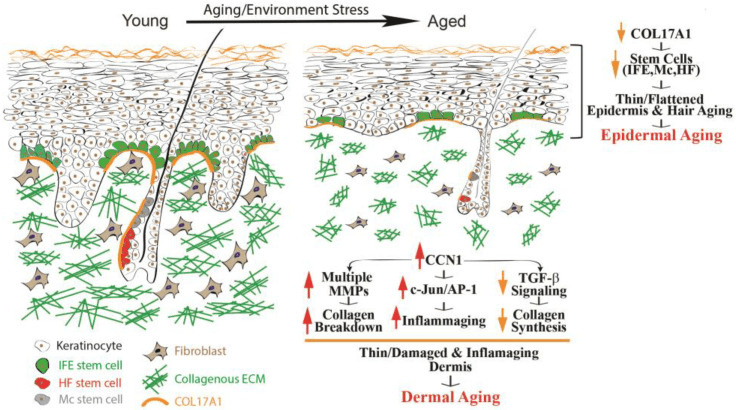
Inflammation is for fighting pathogens, and it is destructive to the skin. Inflammation is not needed to regenerate the skin or induce collagen production, and actually slows and impedes the healing process. There is a potent and safe means to inhibit the inflammatory pathways and promote regenerative healing in the skin -S2RM Technology- stem cell released molecules from skin derived adipose mesenchymal stem cells and fibroblasts.

From: Liu et al 2017

I continuously hear that inflammation is needed to heal the skin and to produce collagen and rebuild the matrix. This is false, and I’ll tell you why, and tell you the differences in the two healing processes, i.e 1. non-inflammatory regenerative healing versus, 2. inflammatory reparative healing.

Once we’ve exited the sterile or nearly sterile womb, most postnatal wounds heal through reparative healing, which is a complex biological process involving cells, signaling molecules such as growth factors and other cytokines, and the extracellular matrix (ECM). Wound healing is simplified and described as occurring in four overlapping, highly coordinated stages: hemostasis, inflammatory, proliferation, and remodeling. In the womb, where there are no pathogens, inflammation is not needed to fight infection – there’s no pathogens present to infect the skin. In the fetus, the immune system in the skin is only beginning to develop and is not robust, and platelets that normally rush into wounded skin are not yet fully developed, and the blood cells are being produced in the liver and not in the bone marrow. Wound healing in the fetus is vastly different from that in the adult. Adipose mesenchymal stem cells (AMSCs) arise later in fetal development in order to control and resolve the newly formed inflammatory mechanisms in the skin that are important in the adult to fight infection using an inflammatory response.

Whether it is macrophages or T cells, including γδ T-cell subsets, or other immune cells, it is the AMSCs that serve to calm the early-onset inflammation by polarizing the immune cells from an inflammatory type to an anti-inflammatory, pro-regenerative type. This is in contrast to bone marrow mesenchymal stem cells (BMSCs), which are a major source of IL-7, thus producing inflammation, and playing a pathological role in the maintenance of inflammatory CD4 memory T-cells that are involved in autoimmunity and chronic inflammation. BMSCs and the molecules they release also have oncogenic potential, another reason why they are an inferior choice for therapeutic development.

Regenerative Non-Inflammatory Healing and Reparative-Inflammatory Healing

Fetal wounds heal in utero through regenerative healing; postnatal microenvironments with an attenuated inflammatory response, such as the oral mucosa, also heal with regenerative characteristics, including a reduced immune response and scarring. Regenerative healing occurs in a manner similar to the same four stages of reparative healing, with some key differences. The key difference is that compared with reparative healing, the inflammatory response in regenerative healing is attenuated. Many of the cells involved in both innate and adaptive immunity, such as mast cells, macrophages, and neutrophils, are not yet differentiated or are not responsive to the wound where regenerative healing occurs. Therefore, levels of inflammatory cytokines and chemokines are reduced or absent in regenerative healing.

Increased expression of anti-inflammatory cytokine IL-10 in postnatal regenerative healing helps decrease the inflammatory response. Adipose mesenchymal stem cells are a key source of the IL-10 secreted into the skin, and thus promoting regenerative healing. A number of studies suggests that IL-10 not only indirectly modulates fibrosis via its anti-inflammatory properties but may also stimulate fetal-like fibroblast behavior and thus fetal-like ECM production. If scar tissue is to be of normal structure, regenerative healing must take place. The secretion of IL-10 from AMSCs is key to inducing regenerative healing in adult skin. One mechanism to explain the ability of IL-10 to inhibit inflammation is that it inhibits NF-κB activity by inhibiting nuclear translocation of NF-κB by blocking IκBα degradation in response to TNF stimulation.

Collagen Production in Wound Healing – Inflammation Degrades Collagen, Not Produce It

Collagen production in the skin to aid in healing, is mainly derived from fibroblasts, but also by keratinocytes. Fibroblasts have evolved to regulate their synthesis of collagen and other extracellular matrix proteins in response to mechanical tension. Fibroblasts are also induced to secrete collagen by the molecules released from AMSCs. It’s not inflammation that stimulates the production of collagen. Tissue damage caused by inflammation from an infection or an autoimmune disease triggers degradation of collagen in the extracellular matrix (ECM), which further enhances inflammation. So inflammation is degrading collagen, not producing it. Also know that dermal collagen has a half-life of about 15 years, a very long-lived protein, a feature that predisposes collagen to accumulate lesions such as advanced glycosylation end products (AGE), which have damaging effects on the molecules they bind. So with much collagen in the skin lasting for decades, accumulating damage through inflammation is occurring. The secretome from AMSCs can protect these long-lived collagen proteins from inflammatory damage, while also helping to replace damaged collagen. 

Non-Inflammatory Immune Cells, M2 Macrophages are Anti-inflammatory and Pro-Regenerative

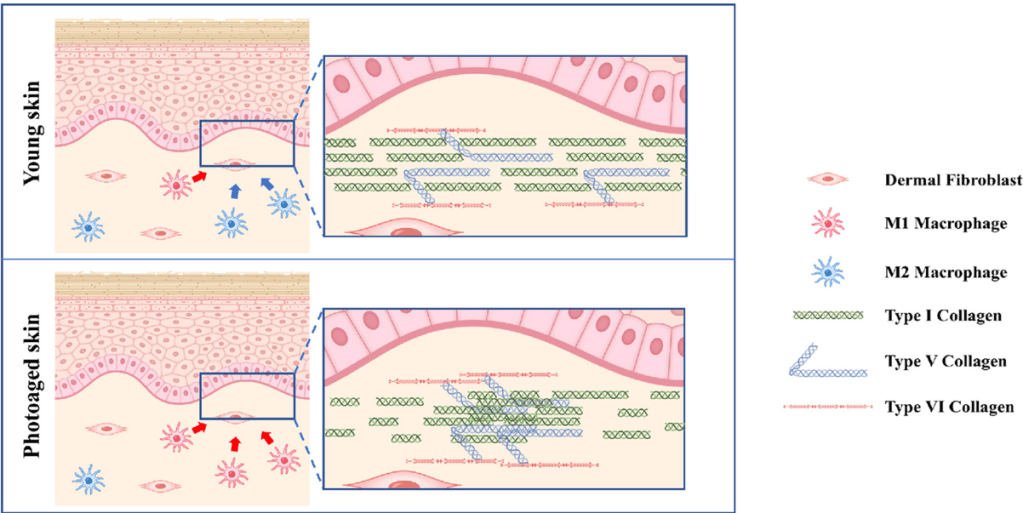
Often, the delay in tissue healing results from the inflammatory phase of the wound healing. Non-healing wounds result from chronic inflammation, characterized by an overload of inflammatory immune cells, inflammatory cytokines, and proteolytic enzymes. Chronic wounds share certain common features, including excessive levels of proinflammatory cytokines, proteases, ROS, senescent cells, persistent infection, and a deficiency of stem cells and their released molecules that are often also dysfunctional. Chronic wounds are defined as wounds stalled in a constant and excessive inflammatory state. For example, much evidence has revealed that chronic wounds are closely associated with impaired phenotype transition of pro-inflammatory macrophages (M1) to anti-inflammatory phenotypes (M2) in wounds. The secretome from AMSCs biases the macrophage phenotype from an inflammatory M1 to an anti-inflammatory, pro-regeneration M2 phenotype, and greatly aids in wound healing. An example of the pro-healing effects is that M2 macrophages induced the expression of the proteins required for the assembly of collagen fibrils, and macrophages themselves secrete some forms of collagen. A shift towards M2 in the M1/M2 balance improves not only the quantity but also the quality of collagen fibrils, leading to a non-fibrotic scar. M2 macrophages induce the expression of the proteins required for the assembly of collagen fibrils,

From: Horiba et al (2023)

In wounds, the continued infiltration of pro-inflammatory immune cells and production of pro-inflammatory molecules attract additional inflammatory immune cells, exacerbating the inflammation. Thus, inflammation is preventing wound healing. If you think inflammation is needed to clear debris in a wound, including “sterile inflammation,” think again. During the resolution of inflammation, macrophages are predominantly polarized to an M2 phenotype (non-inflammatory), which can suppress proinflammatory cytokine production, clear debris, and restore tissue homeostasis. Yes, M2 macrophages are phagocytic – meaning they eat debris. Again, wounds don’t need inflammation to heal, whether it’s an infected wound, or “sterile inflammation” where debris is present without infection.

The Inflammatory NK-kB Pathways Are Pro-Inflammatory and Impede Wound Healing

Recent studies have found the genes and pathways involved in the induction of inflammation, called, NF-kB, and that these genes and pathways are also involved in aging and many disease processes. The NF-kB pathways underlying inflammation, diseases, and aging (inflammasome) are different from the genes and pathways that are activated during injury and responsible for regenerative healing.

Leung et al (2013) at Stanford did a nice study separating out the two pathways involved in adult healing, i.e. the NF-kB pathways. They found that hypochlorite (HOCl) reversibly inhibited the expression of CCL2 and SOD2, two NF-κB–dependent genes. In radiation dermatitis, topical HOCl (aka Bleach) inhibited the expression of NF-κB–dependent genes, decreased disease severity, and prevented skin ulceration. Additionally, skin of aged HOCl-treated mice acquired enhanced epidermal thickness and proliferation, comparable to skin in juvenile animals. In other words, inhibiting inflammation helped to heal the skin when injured through irradiation or aging.

Platelets, Bone Marrow Mesenchymal Stem Cells, and Their Molecules Induce Inflammation

This is why you don’t want to use a platelet extract or PRP on your skin, because platelets and their molecules induce inflammation. It’s also why you don’t want to use bone marrow mesenchymal stem cell derived molecules because they too are pro-inflammatory and can induce, through IL-7, autoimmunity and tissue destruction. Both of these cell types only appear transiently in open wounds through the blood supply and serve to induce inflammation to fight infection, and to induce high rates of fibrotic scarring to close the wound rapidly (see Maguire, 2022).

Adipose Mesenchymal Stem Cells and Their Molecules Reduce Inflammation

There’s another safe and effective means to inhibit the inflammatory pathways associated with NF-kB, and that is the secretome from AMSCs, which is contained in the S2RM Technology of NeoGenesis. González-Cubero et al (2022) in Spain found that in inflamed human cells from connective tissue, like that found in the skin, when exposed to the molecules released from AMSCS, NF-κB activation was blocked. Thus, the secretome from AMSCs blocked inflammation by blocking the NF-kB pathways. Adipose mesenchymal stem cells and their released molecules act in many other ways in addition to inhibiting NF-kB to reduce inflammation.

Chronic Inflammation

So the adipose mesenchymal stem cells reduce inflammation and this is critical for autoimmunity. Tregs control other T cells from over activating and causing damaging inflammation. It is important to keep Treg cell functioning because they tend to lose their regulatory capacity under chronic severe inflammatory conditions. If a patient’s Treg cell function is compromised or defective, their immune system can become excessively activated, leading to systemic autoimmune inflammation. So AMSCs controlling inflammation in turn controls Treg cell function and reduces T cell mediated autoimmune inflammation.

Summary – Inflammation is Unwanted in Wound Healing and Adipose Mesenchymal Stem Cells Deactivate Inflammation and Activate Regenerative Healing

In summary, inflammation does not heal the skin and does not produce collagen. Inflammation is unwanted in the skin unless their is an infection and the pathogens need to be destroyed. Unfortunately, in the process of killing the pathogens, the inflammation also damages your cells and connective tissues. To effectively and safely decrease inflammation and activate regenerative wound healing, use NeoGenesis Recovery which is loaded with the molecules released from AMSCs that reduce inflammation and activate pro-healing regenerative mechanisms.

Psoriasis, Heredity, Epigenetics and Environment: Using Salicylic Acid, Moisturizers, and S2RM (something new, too) to Remediate

Psoriasis is a relapsing–remitting immune-mediated skin disorder characterized by epidermal overgrowth, and massive inflammatory infiltrates as hallmarks of scaly erythematous lesions. Epigenetic changes detected in epidermal keratinocytes of resolved skin may be responsible for the DRTP (disease-residual transcriptomic profile) in the same regions, leading to a reoccurrence of the lesion. I’ll explain some ways, including new technologies for epigenetic regulation, to better treat psoriasis.

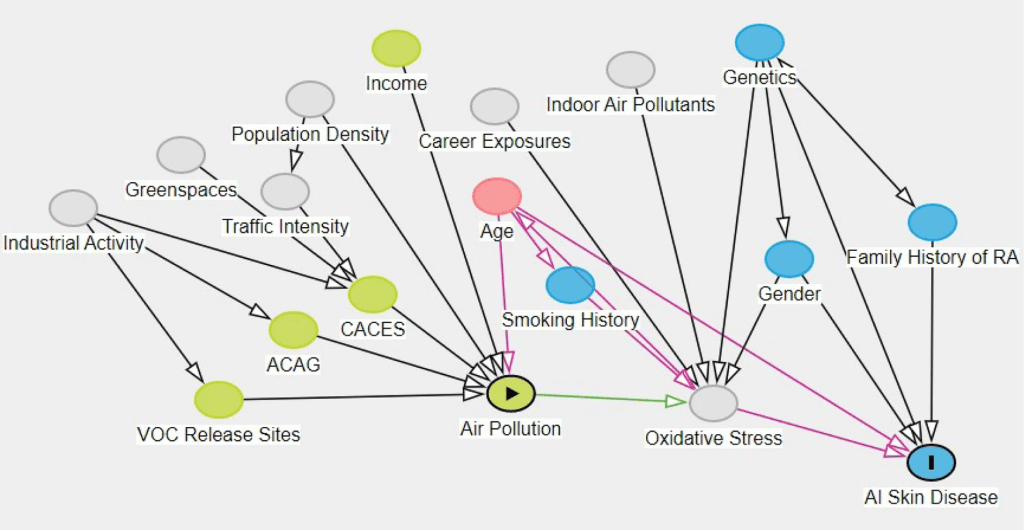
The multifactorial causes of inflammatory skin conditions, including psoriasis. From: Lowe et al (2022)

Like most diseases, psoriasis is environmentally triggered. You can think of it as mismatch between hereditary factors, including but not just genetics (Bonduriansky, 2012), and the environment. The modern  environment is full of triggers for psoriasis, such as air and water pollution (Lowe et al, 2023) and poor diets (Kanda et al, 2020), and our hereditary factors have not adapted to the new environment. With over 2,000 new chemicals introduced into the USA each year, genetic based heredity will never adapt us to our ever changing environment. Evolutionary adaptation based on genetics requires too much time, usually at least thousands of years. For example, the recent introduction of eating processed food with high amounts of salt (sodium) can lead to sodium accumulation in the skin, and can be an inflammatory factor in psoriasis (Maifeld A et al, 2022), dramatically impeding skin remodeling (Pajtók et al, 2021). People haven’t yet adapted to high levels of dietary sodium, and so it is causative, at least partially, in many diseases (Lucarini et al, 2021), including psoriasis.

An example of the slow genetic hereditary adaption to the environment is lactose tolerance in some populations of humans where the environment included cattle and the milk they made available to humans. Studies of DNA from 40,000 years ago up to a few hundred years ago show that there has been a very rapid rise of the genetic variant that helps humans consume milk as adults, called lactose tolerance. The genetic variant didn’t become common until the past 1,000 to 2,000 years. With thousands of years of heredity, humans who co-evolved with cattle developed the ability to drink the milk of cattle. In East Asia, where cattle were not common, the people remained lactose intolerant (Goh et al, 2018).

However, and important to disease states such as psoriasis (Dopytalska et al, 2021), epigenetics, another hereditary factor that is not genetic, can play significant and rapid roles in adaptation to the environment (Carneiro et al, 2020). Epigenetics is not changes in the DNA itself, rather it is environmentally triggered changes in the expression of DNA. In other words, epigenetics is about what DNA is turned-on or turned-off by environmental factors. These genetic and epigenetic adaptations can turn out to be maladaptive given the rapid and ever changing environment in today’s modern world. That is, you epigenetically adapt to one thing in the environment, but another thing comes along in the environment that is a mismatch for the epigenetic adaption. That epigenetic maladaptation can pass on to your offspring and their offspring (Fitz-James and Cavalli, 2022). But there is good news. Scientists in Germany have demonstrated that maladaptive epigenetics in human skin can be reversed to some degree by using naturally sourced DNA methylation inhibitors , leading to better skin health (Falckenhayn et al, 2024). Methylation is one of the key means by which DNA can be turned-on of turned-off.

Considering psoriasis, like most bodily functions, epidermal desquamation is a highly regulated process of corneocytes shedding from the outermost layers of the stratum corneum (Haftek, 2015). Psoriasis is a condition where skin cells replicate at an abnormally fast rate. This leads to a buildup of dead, interconnected skin cells on the surface, forming the thick, silvery plaques and a lack of moisture that characterize this condition. Normal shedding of corneocytes is disrupted, leaving a thick patch of dried skin tissue.

So let’s look at how we can renormalize the physiology of psoriatic skin using three key topical products currently on the market, and one that will be released soon.

  1. Salicylic acid (SA)

Salicylic acid (SA) is a keratolytic that promotes stratum corneum desquamation (Elmets et al, 2021). Evidence suggests that SA works by digesting skin keratin and disrupting barriers to water-binding functions that allows the skin plaques to desquamate (Rawlings et al, 1994). Like the enzymes involved in filaggrin degradation, the hydrolases (enzymes that depend on water to breakdown the structures) involved in desmosome degradation and lipid degradation are dependent upon water for their activity. However, water activity within the stratum corneum is dependent upon the NMF and lipids. When adversely influenced by many factors, such as degraded barrier function, insufficient stratum corneum moisturization and water content leads to defective desquamation.

SA works best when an occlusive and moisturizing formulation is applied on top of the salicylic acid gel, thereby creating an environment optimal for barrier repair, where moisture is retained, thus maximizing normal enzyme activity and minimizing the irritating effects of SA.

At Neogenesis, we use an OTC drug form of SA that contains 2% salicylic acid. This is a mild form of SA and can be used daily for moderate to severe forms of psoriasis. Stronger forms of salicylic acid, which have side effects, are available by prescription from your dermatologist. As for all drugs, follow the OTC label on all salicylic acid products before applying.

2. Moisturizers

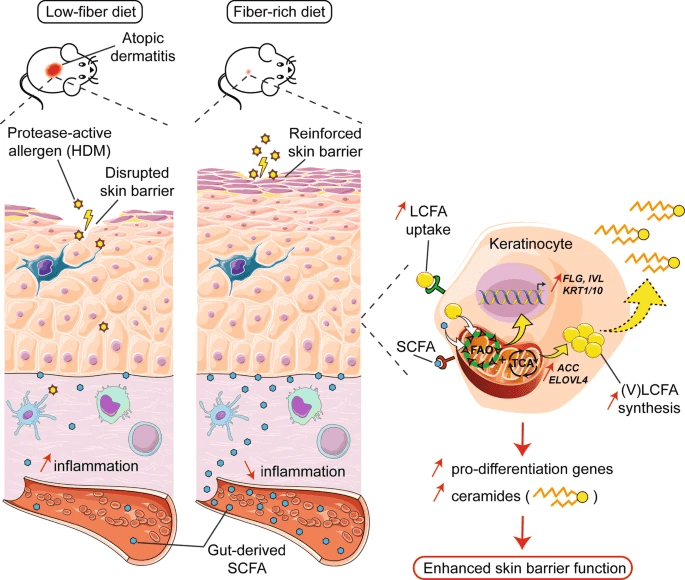
Considering the NMF and lipids that are important for treating psoriasis, NeoGenesis’ Barrier Renewal Cream (BRC) features NMF and lipid ingredients critical to barrier repair and remediating psoriasis. These ingredients include, Urea, Squalane, Caprylic/Capric Triglyceride, Safflower Oleosomes, Glycerin, Sodium PCA, Ceramide NP, Ceramide AP, Ceramide EOP, Phytosphingosine, Cholesterol, and Sodium Hyaluronate Butyrate. Not only is BRC providing necessary lipids and NMF to rebuild the epidermal barrier, but butyrate is another key molecule for epidermis. Butyrate, originating from gut bacteria and skin bacteria, has been found to increase Treg and reduce inflammation in the skin (Schwarz et al, 2017), regulate mitochondrial function of keratinocytes (Trompette et al, 2022) and to increase the expression of FLG protein by inhibiting the activity of histone deacetylase, and restoring the function and permeability of the epidermal barrier (Kleuskens et al., 2022).

3. S2RM – Stem Cell Released Molecules

The molecules in S2RM inhibit the proliferation of activated T cells, modulate the release of inflammatory cytokines and chemokines by dendritic cells and macrophages, suppress proliferation and immunoglobulin production of B cells, and inhibit cytotoxic activity of natural killer (NK) cells. The positive effects of topically applied stem cell released molecules in psoriasis are dramatic and occur quickly (Seetharaman et al, 2019). Controlling all of these functions in psoriatic skin using S2RM is highly important to controlling inflammation and autoimmunity.

4. Something New – Autoimmune, DNA Methylation Modulators

Epigenetic mechanisms of gene expression regulation are a group of the key cellular and molecular pathways that lead to inherited alterations in genes’ activity without changing their DNA coding sequence. Methylation of cytosine residues in the CpG island located in the gene promoter region of DNA causes suppression of gene expression, while these unmethylated regions of DNA leads to activation of gene expression. Modulation of methylation can therefore turn on or turn off gene expression and in this way remove or modify epigenetic “memories.” In this way, if the cells of the skin have an epigenetic memory of a chronic inflammatory event, for example, epigenetic modulators can eliminate or reduce this memory.

I won’t go into details here, but many long coding RNAs are involved in the immunopathogenesis of psoriasis (Tsoi LC et al, 2015), and long non-coding RNA (lncRNA) mediates DNA methylation in both physiological and pathological conditions (Huang et al, 2022). A lncRNA named PRINS (Psoriasis susceptibility-related RNA Gene Induced by Stress) has been found to be essential in the survival of keratinocytes under stress condition and is thought to contribute to psoriasis susceptibility (Sonkoly et al, 2005). Epigenetic changes detected in epidermal keratinocytes of resolved skin may be responsible for the DRTP (disease-residual transcriptomic profile) in the same regions, leading to a reoccurrence of the lesion (Ghaffarinia et al, 2023) . If the epigenetic changes in keratinocytes can be erased, then the reoccurrence of the psoriatic lesions may be abated.

Falckenhayn et al (2024) found that natural, plant-based DNA methylation inhibitors were able to penetrate the skin. For example, they found dihydromyricetin, which (for you chem nerds) has a molecular weight of 320.25 g/mol and a logP of 1.23 (ChemSpider) was able to penetrate into living skin cells. The positive effects they found included increased epidermal thickness and a more youthful set of cellular parameters. As a result, fewer wrinkles (3.7 tears of wrinkle accumulation were removed) were found in treated skin compared to controls. Other natural ingredients, including cannabinoids have been found to modulate DNA methylation and reduce skin autoimmunity and inflammation.

Cannabinoids are of great interest to me because I personally know the power of the endogenous cannabinoid systems in the body. When I was professor at UCSD, my lab discovered the cannabinoid signaling system in the eye, and later found with colleagues at UCSB that when the endogenous cannabinoid system is fully activated, neurons, called retinal ganglion cells, are protected from neurodegeneration. It is indeed, a very powerful system throughout the body involved in immune function and epigenetics.

For example, the first evidence describing the possible effects of CBD and CBG on DNA methylation aimed at clarifying the epigenetic regulation of keratinocyte differentiation by phytocannabinoids. Their study used human kHaCaT cells, revealing that CBD increased global DNA methylation and decreased gene expression involved in keratinocyte differentiation. In other words, CBD and CBG slowed down replication of keratinocytes. Again, psoriasis is characterized by an excessive proliferation and abnormal differentiation of keratinocytes and infiltration of multiple inflammatory cells. Interestingly, CBD effects on DNA methylation and gene expression were mimicked by AEA and blocked by a selective CB1 antagonist, suggesting an indirect mechanism rather than a direct regulation by CBD (Pucci et al, 2013). Many people haven’t heard about the power of CBG, but it is a very powerful antioxidant and anti-inflammatory in the skin (Perez et al, 2022).

I’ll tell you more about it later, but we currently have a product in testing that features a number of phytochemicals, including CBD and CBG and other epigenetic modulators. It’s sure to help a number of inflammatory skin conditions, including psoriasis. Stay tuned.

References

Bonduriansky R. (2012) Rethinking heredity, again. Trends Ecol Evol. 27(6):330-6

Carneiro VC et al (2020) Rapid Epigenetic Adaptation in Animals and Its Role in Invasiveness, Integrative and Comparative Biology, Volume 60, Issue 2, Pages 267–274,

Dopytalska K, Ciechanowicz P, Wiszniewski K, Szymańska E, Walecka I. The Role of Epigenetic Factors in Psoriasis. Int J Mol Sci. 2021 Aug 27;22(17):9294.

Elmets CA et al. (2021) Joint AAD-NPF Guidelines of care for the management and treatment of psoriasis with topical therapy and alternative medicine modalities for psoriasis severity measures. J Am Acad Dermatol. 84(2):432–470.

Falckenhayn C et al (2024) Identification of dihydromyricetin as a natural DNA methylation inhibitor with rejuvenating activity in human skin. Front Aging. 4:1258184.

Fitz-James, M.H., Cavalli, G. (2022) Molecular mechanisms of transgenerational epigenetic inheritance. Nat Rev Genet 23, 325–341.

Ghaffarinia A et al (2023) Psoriatic Resolved Skin Epidermal Keratinocytes Retain Disease-Residual Transcriptomic and Epigenomic Profiles. Int J Mol Sci. 24(5):4556

Goh LH et al (2018) Lactase deficiency and lactose intolerance in a multiracial Asian population in Malaysia. JGH Open ;2(6):307-310.

Haftek M. Epidermal barrier disorders and corneodesmosome defects. Cell Tissue Res. 2015 Jun;360(3):483-90.

Huang, W., Li, H., Yu, Q. et al. (2022) LncRNA-mediated DNA methylation: an emerging mechanism in cancer and beyond. J Exp Clin Cancer Res 41, 100.

Kanda N, Hoashi T, Saeki H. Nutrition and Psoriasis. Int J Mol Sci. 2020 Jul 29;21(15):5405.

Lowe, M.E et al (2023) The skin is no barrier to mixtures: Air pollutant mixtures and reported psoriasis or eczema in the Personalized Environment and Genes Study (PEGS). J Expo Sci Environ Epidemiol 33, 474–481.

Lucarini M et al (2021) Sodium Intake and Related Diseases. Int J Mol Sci. 22(14):7608

Maifeld A et al (2022) Skin Sodium Accumulates in Psoriasis and Reflects Disease Severity. J Invest Dermatol. 142(1):166-178.e8.

Pajtók C, Veres-Székely A, Agócs R, Szebeni B, Dobosy P, Németh I, Veréb Z, Kemény L, Szabó AJ, Vannay Á, Tulassay T, Pap D. (2021) High salt diet impairs dermal tissue remodeling in a mouse model of IMQ induced dermatitis. PLoS One. 16(11):e0258502.

Perez E, Fernandez JR, Fitzgerald C, Rouzard K, Tamura M, Savile C. (2022) In Vitro and Clinical Evaluation of Cannabigerol (CBG) Produced via Yeast Biosynthesis: A Cannabinoid with a Broad Range of Anti-Inflammatory and Skin Health-Boosting Properties. Molecules. 27(2):491. 

Pucci M et al (2013) Epigenetic control of skin differentiation genes by phytocannabinoids. Br J Pharmacol. 170(3):581-91.

Rawlings AV, Scott IR, Harding CR, Bowser PA (1994) Stratum corneum moisturization at the molecular level. J Invest Dermatol 103: 731–740. (Available here: https://www.sciencedirect.com/science/article/pii/S0022202X94904472).

Schwarz A, Bruhs A, Schwarz T (2017) The Short-Chain Fatty Acid Sodium Butyrate Functions as a Regulator of the Skin Immune System. J Invest Dermatol. 137(4):855-864.

 Seetharaman R et al (2019) Mesenchymal Stem Cell Conditioned Media Ameliorate Psoriasis Vulgaris: A Case Study. Case Reports in Dermatological Medicine. Volume 2019 | Article ID 8309103.

Sonkoly E et al (2005) Identification and characterization of a novel, psoriasis susceptibility-related noncoding RNA gene, PRINS. J Biol Chem. 280(25):24159-67.

Trompette, A., Pernot, J., Perdijk, O. et al. (2022) Gut-derived short-chain fatty acids modulate skin barrier integrity by promoting keratinocyte metabolism and differentiation. Mucosal Immunol 15, 908–926.

Tsoi LC et al (2015) Analysis of long non-coding RNAs highlights tissue-specific expression patterns and epigenetic profiles in normal and psoriatic skin. Genome Biol. 16(1):24.

S2RM Technology: The Power of Molecules Released From Adipose Mesenchymal Stem Cells (AMSC) – Benefits Not Just in Skin, But Brain Too

Studies at Mayo Clinic provide evidence that the molecules we use at NeoGenesis repair spinal cord injuries in human patients. Injecting AMSCs into the spinal cord of patients with traumatic spinal cord injuries yielded positive outcomes, including changes in sensory and motor scores, imaging, cerebrospinal fluid markers, and somatosensory evoked potentials. The positive results were attributed to the molecules released by the AMSCs, the same molecules used in S2RM and previously demonstrated by my lab to protect and repair neurons.

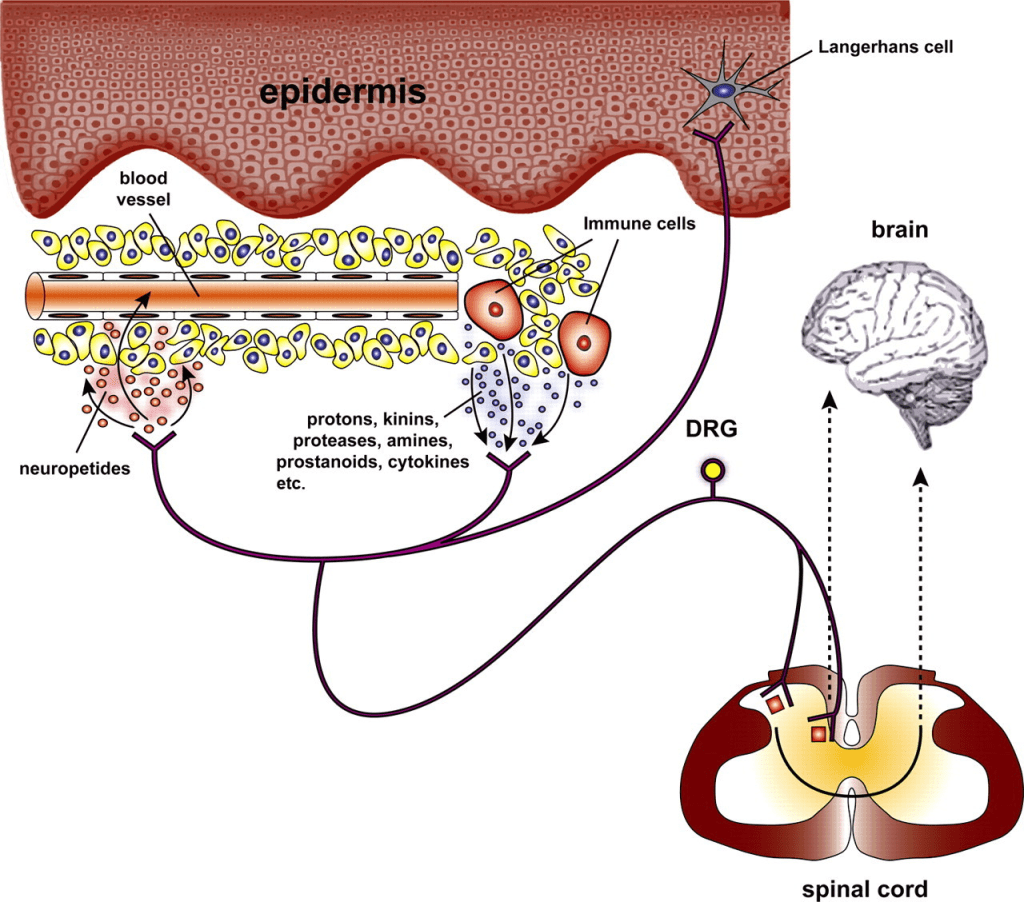
From: Roosterman et al (2006)

S2RM, based on the molecules that AMSCs and fibroblasts secrete, is a powerful and safe technology. The power of S2RM to benefit the nervous system is one of many mechanisms by which the molecules provide therapeutic actions in the skin. Why? Cutaneous neuroimmunoendocrinology is involved in several skin diseases. That’s a big word used by scientists. It means that the nervous system, the immune system, and endocrine system are all connected. The central nervous system (CNS) is directly, through efferent nerves or CNS-derived mediators, or indirectly, through the adrenal glands or immune cells, connected to skin function.

The skin is innervated by afferent (nerve fiber carrying signal from the skin to the brain) somatic nerves with fine unmyelinated (C) or myelinated (Aδ) primary afferent nerve fibers transmitting sensory stimuli (temperature changes, chemicals, inflammatory mediators, pH changes) via dorsal root ganglia and the spinal cord to specific areas of the CNS, resulting in the perception of pain, burning, burning pain, or itching. It’s a powerful system, and when function goes awry, it can drive you crazy – for example, itching and burning of the skin.

I’ll be nerdy here and explain the brain connection to the skin underlying itch (pruritis), as described by Roosterman et al (2006) in Physiological Reviews.  In pruritus, skin-derived itch-selective primary afferent fibers are connected with specific units within the lamina I of the spinal cord. Here, they form a distinct pathway projecting to the posterior part of the ventromedial thalamic nucleus (nerves projecting from spinal cord to midbrain). The pathway then projects to the dorsal insular cortex that is involved in a variety of interceptive modalities such as thermoception, visceral sensations, thirst, and hunger. As revealed by functional positron emission tomography (fPET imaging technology), induction of itch by intradermal histamine injections and histamine prick induced coactivation of the anterior cingulate cortex, supplementary motor area, and inferior parietal lobe, predominantly in the left hemisphere. This considerable coactivation of motor areas explains the common observation of itch being essentially linked to a desire to scratch. In other words, the afferent “itch signals” from the skin to the brain lead to efferent “scratch signals” from the brain to the periphery (hands).

As you can see, a functional spinal cord is needed for all of this skin-brain signaling to work. And if there is damage to any of these nervous system areas, the peripheral nervous system in the skin, the spinal cord, or the brain itself, S2RM can help to repair it! That’s part of the power of S2RM.

Dietary Fiber: Production of Short Chain Fatty Acids (SCFAs) in Gut Mitigate Neurodegeneration and Inflammatory Skin Conditions

Dietary fiber produces SCFAs, such as propionate, in the gut and benefits the nervous system and the skin, including neurodegenerative disorders and inflammatory skin conditions such as psoriasis and atopic dermatitis. Gut derived SCFAs, which can be transported to organs throughout the body, have been found to be beneficial to the skin’s barrier formation.

Two sources of SCFAs in the skin exist. Bacteria on the skin and in the gut produce SCFAs. For example, the commensal bacteria of human skin Staphylococcus epidermidis can ferment the major component in stratum corneum, glycerol, into butyrate. This is one reason I formulate many topical products with glycerin – because it’s a prebiotic for commensal bacteria. Let’s look at how the two microbiomes, the skin and gut microbiomes, affect skin health – and brain health!

Back in 2015, when I first heard of the work of Dr. Thomas Schwarz, M.D., at the University of Kiel, using the SCFA butyrate to successfully treat inflammatory dermatoses, I became intrigued and sourced a form of butyrate (a form that doesn’t stink and provides additional benefits) that had been produced by scientists in Trieste, Italia. We found butyrate to be highly beneficial to inflammatory skin conditions, and I began to formulate a number of our products with butyrate. As I defined it in 2018 (Maguire and Maguire, 2018), butyrate is a postbiotic – a molecule produced by bacteria that has benefit to the host. The form of butyrate we use in our products is a synthetic postbiotic – i.e. it’s a modified form of butyrate that the bacteria naturally produce.

Dr. Schwarz and team found that short-chain fatty acids activate resident skin adaptive immune cells, Tregs, the activity of which is diminished in certain inflammatory skin conditions. In other words, Tregs, which control inflammation in the body, could be activated by the SCFA, butyrate. There are a number of factors that can control inflammation in the body, including the skin. For example, ultraviolet radiation can induce Treg which then inhibit cutaneous immune reactions including contact hypersensitivity.

Other studies from the University of Chicago (Cao et al, 2024) have found butyrate, in a form conjugated to serine, to reduce autoimmunity. The form of butyrate we use in our products at NeoGenesis is conjugated to hyaluronic acid. Using this conjugated molecule we provide the benefit of both butyrate and hyaluronic acid to the skin.  Cao et al, in their beautiful research paper, sum up the importance of butyrate, and I’ll paraphrase from their paper: Butyrate is derived from the microbial fermentation of dietary fiber in the colon and serves as a primary energy source for colonocytes (cells lining the gut) and maintains intestinal homeostasis. Butyrate is essential for protecting intestinal barrier function by facilitating tight junction assembly (key to preventing leaky gut syndrome). As an epigenetic modulator, butyrate is a histone deacetylase (HDAC) inhibitor and can thus alter chromatin structures and regulate gene expression. Through HDAC inhibition, butyrate has been shown to upregulate forkhead box P3 (Foxp3)—a transcription factor involved in the development and function of regulatory T (Treg) cells (important for anti-inflammation)—as well as suppress NFκB activation (NFkB activation is proinflammatory), inhibit the production of interferon-γ (IFNγ) and upregulate PPARγ. In addition to its broad anti-inflammatory activity, butyrate affects immune cell migration, adhesion, cytokine expression, proliferation, activation and apoptosis. Apart from HDAC inhibition, butyrate can also exert anti-inflammatory effects on immune cells, such as dendritic cells (DCs) and Treg cells, by signaling pathways through specific G-protein-coupled receptors: GPR41, GPR43 and GPR109A. Cao et al found concurrent upregulation of CTLA-4 (CTLA-4 inhibits T-cells) on T cells and downregulation of CD86 (CD86 upregulates T-cells) on myeloid cells can synergistically contribute to a more profound suppression of immune activation, ultimately dampening autoimmune responses. Collectively, these properties of butyrate hold promising potential for the development of therapeutic strategies, particularly in the treatment of immunological disorders, including autoimmune diseases.

Considering the gut microbiome, Dr. Chaogu Zheng, Ph.D., professor at the School of Biological Sciences at The University of Hong Kong (HKU) has found that propionate, a short-chain fatty acid (SCFA) produced in the gut, strongly suppressed neurodegeneration in animal models of Parkinson’s disease (PD) by regulating interorgan signaling between the intestine and brain. I’ve previously published the importance of maintaining gut health to prevent neurodegenerative diseases, including the importance of SCFAs, preventing leaky gut, and maintaining the health of the nutrient-absorbing microvilli.

And relevant to the skin, dietary fiber and SCFAs improve epidermal barrier integrity, thereby limiting early allergen sensitization and disease development. Of note in the study by Trompette et al (2022), is the ability of butyrate to alter lipid metabolism in epidermal keratinocytes, particularly following allergen-mediated skin injury.

There’s been quite a buzz about mucus-eating bacteria in the media. And one tech company has received extraordinary amounts of investment to bring out a supplement based on these bacteria (Akkermansia muciniphila). However, if you read the studies underlying company hype, the mucus-eating bacteria did not lead to significant changes in visceral adiposity and body mass index, the primary objectives of the study. Their results also demonstrated that the supplementation with either Pasteurized A. muciniphila or Alive A. muciniphila did not affect the overall structure of the gut microbiome. This finding is consistent with previous data obtained in rodents, finding that the gut microbiome from mice supplemented with alive A. muciniphila was not significantly modified. Other studies have found that prebiotics work better than probiotics to benefit the gut’s microbiome and measures of obesity. This is uncontrolled capitalism at work – distort the science for the benefit of profits to the rich investors. On the other hand, social democracy, where the people’s money funds scientific research at the universities, yields scientific data on which companies, if they choose to be honest, can make informed decisions about the products they bring to market. Many companies, including mine, do our best to make products that are informed by quality science. Unfortunately, their are some companies, often VC- or private equity-backed (see, for example, Morgenson, Leopold, Karma, and Mazzucato), that look for a quick buck through hyping the science. Some of these are pump and dump schemes, of which Ubiome was one – are a fraud.

From Trompette et al (2022)

In light of the data provided by Trompette et al (2022) on the cutaneous barrier, as well as work from others in the gut, the fact that mucus-eroding bacteria are less efficient at producing SCFA, particularly butyrate, further puts the epithelial barrier at risk in dietary fiber-deprived individuals. Importantly, the findings are not not just important to skin and brain. Indeed, a deficiency in the high-butyrate-producing bacteria has also been implicated in patients with Crohn’s disease, a disorder that also results from epithelial barrier impairment.

Polyphenols are important too. Polyphenols from vegetables can increase the abundance of Lactobacillus and Bifidobacterium, while inhibiting the abundance of Clostridium. Polyphenols have potent antioxidant benefits. This is great for strains like Akkermansia muciniphila, which thrive in oxygen-free environments and are at risk from free oxygen radicals.

The bottom line, is eat well to provide your gut the needed fibers and polyphenols it needs to create a balanced and healthy microbiome. Your skin will be healthier. Instead of an overhyped probiotic that results in a lot of dead bacteria in your poop, eat lots of vegetables such as oats (fiber) and oranges (polyphenols) to develop a healthy microbiome.

Vitamin A for Skin: Why NeoGenesis Uses Hydroxypinacolone Retinoate (HPR), An Ester of Retinoic Acid

We use a Vitamin A derivative, Hydroxypinacolone Retinoate (HPR), that directly activates retinoic acid receptors when topically applied to the skin. This yields the most effective Vitamin A product, without toxicity or sensitization of the skin.

Vitamin A is a general term that refers to fat-soluble compounds found as preformed vitamin A (retinol) in animal products and as provitamin A carotenoids in fruit and vegetables. The three active forms of vitamin A in the body are retinol, retinal, and retinoic acid. Vitamin A is a generic term that encompasses a number of related compounds. Retinol and retinyl esters (an esterified form of retinol) are often referred to as preformed vitamin A. Retinol can be converted by the body to retinal, which can be in turn be oxidized to retinoic acid, the form of vitamin A known to activate receptors and regulate gene transcription. Retinol, retinal, retinoic acid, and related compounds are known as retinoids. β-Carotene and other food carotenoids that can be converted by the body into retinol are referred to as provitamin A carotenoids 

While retinal and retinol are used in the photoreceptor visual process, it is retinoic acid that activates the retinoic acid receptors (RAR) to induce the many benefits of Vitamin A products in the skin. Key here is that retinoic acid is what directly binds to the RAR, not retinal or retinol (or their esterified forms). Now, using a form of retinoic acid that is stable and non-irritating, it is Hydroxypinacolone retinoate (esterified retinoic acid) that is used by NeoGenesis in our Vitamin A product to directly activate the retinoic acid receptors (RAR).

For those who are interested, I’ll now do a deeper dive into the Vitamin A story relating to skin care.

Vitamin A, along with other vitamins, minerals and other compounds, is an essential micronutrient. This means that our bodies cannot manufacture it and therefore it has to be included in our diet. It can also be “fed” to the skin when topically applied. There are two main sources of vitamin A: animal sources and plant sources. All the sources of vitamin A, which are fat soluble, need some fat in the diet to aid absorption. In animal sources, vitamin A is found as retinol, the ‘active’ form of vitamin A. Plant sources contain vitamin A in the form of carotenoids which have to be converted during digestion into retinol before the body can use it. Carotenoids are the pigments that help give plants their color, such as in some fruits and vegetables that are red or orange color. Plant sources rich in vitamin A include: mangos, papaya, many of the squashes, carrots, sweet potatoes, green leafy vegetables, and maize (but not so much the white varieties).

Vitamin A is essential for many physiological processes, including maintaining the integrity and function of all surface tissues (epithelia): for example, the skin, the lining of the respiratory tract, the gut, the bladder, the inner ear and the eye. Vitamin A supports the daily replacement of skin cells and ensures that tissues such as the conjunctiva (the white tissue of the outer eye) are able to produce mucous and provide a barrier to infection. Vitamin A is also essential for vision, for maintaining a healthy immune system, for growth and development, and for reproduction. Vitamin A supports many physiological processes in the body. For this reason, vitamin A deficiency is now referred to as vitamin A deficiency disorders. 

Vitamin A (VA) and its derivatives are of interest in the skin care drug and cosmetic industries because they act as antioxidants and cell regulators, thereby improving skin texture by stimulating collagen production and reducing skin damage.

The vitamin A pathways are complex, so, first, let’s be clear on some relevant terms. The noun “retinoid” refers to the family of ingredients derived from vitamin A and includes tretinoin, retinyl palmitate, retinol, retinaldehyde, and hydroxypinacolone retinoate (HPR). Notice we use the term “retinoid” and not the erroneous term “retinols”, a term frequently misused in the mass media. Thus, there are many retinoids, of which retinol (also known as Vitamin A1) is one type.

To be clear, the term “retinoid” refers to the synthetic and natural analogues of vitamin A. Retinoids are a class of compounds derived from vitamin A or exhibiting structural and/or functional similarities to vitamin A. Thus, retinoids are molecules that can bind to and activate the appropriate nuclear retinoic acid receptors (RAR) to induce transcription (activation of genes) of relevant DNA sequences (genes) either by binding directly to the RAR or after metabolic transformation that allows the retinoid to bind to the RAR.

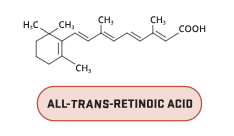
Retinol (vitamin A) itself doesn’t directly bind to retinoic acid receptors (RARs). Retinol needs to undergo conversion to retinoic acid (tretinoin) first. This conversion process happens inside cells by enzymes. Once converted, retinoic acid then binds to RARs. Tretinoin (see Figure below), also known as all-trans retinoic acid (ATRA), is well known for its antiaging effects on skin. However, skin irritation, photochemical instability, and concerns about toxicity have hindered the use of ATRA in cosmetic products and limited its availability as a carefully controlled prescription drug. Typically, milder retinoid derivatives are used in cosmetic products, which must first be metabolized to more active forms by several enzymatic steps in the skin, reducing their potency. Therefore, new molecules have been discovered that activate retinoic acid pathways directly without being enzymatically (for example, Retinol dehydrogenase), processed by the body, and without the negative side-effects.

Hydroxypinacolone retinoate (HPR; see Figure below) is a cosmetic grade ester of ATRA. Retinoate is the scientific term for an esterified form of retinoic acid. HPR is unique among non-retinoic acid retinoids because it processes innate retinoic acid activity, binding directly with retinoid receptors without the need for metabolic breakdown to more biologically active forms. It has been demonstrated to be more stable and cause less skin irritation than retinol.

Hydroxypinacolone retinoate (HPR) is part of a new generation of anti-aging ingredients in the retinoic acid family, which have unique properties. Unlike other derivatives, HPR can act directly without being converted to retinoic acid, a compound that can irritate the skin. HPR can be safely applied around the eyes with better skin penetration and higher stability. A study by Counts et al found that topical application of RP (similar to HPR) in rats for 14 days resulted in epidermal thickening and enhanced protein and collagen stimulation. In another comparative study, an increase in epidermal thickness was also observed in human skin.

The exact mechanisms by which topical tretinoin and other retinoids function are not completely understood, but current evidence suggests mediation through binding of retinoic acid receptors (RARs) alpha, beta, and gamma along with retinoid X receptors (RXRs) by blocking inflammatory mediators. Through this action, the production of procollagen increases to augment collagen type I and III formations.

Recent studies have found that HPR (Hydroxypinacolone retinoate) had greater levels of gene transcription than other cosmetic grade retinoids (Rol, Ral, and RP) at the same concentrations, and was less cytotoxic to cells at a 10 times higher concentration. HPR was nearly as effective as prescription ATRA when measuring increased gene transcription levels. Measures of procollagen concentration levels found that skin treated with HPR significantly increased procollagen production compared with untreated control skins, and was similar to ATRA. Qualitative assessment of collagen levels from histologic staining of skin corroborated those results, with the highest dose of HPR out-performing ATRA. IL-1α ELISA analysis (a means to measure the levels of this pro-inflammatory cytokine) showed that HPR did not induce more (or less) inflammatory response than either ATRA or the vehicle control. These data provide evidence that Hydroxypinacolone retinoate (HPR) is an effective alternative to ATRA and other less potent retinoids in the treatment of aging skin without the negative side-effects.

Clinical testing of our new HPR product has found it to be safe, non-irritating, and to be synergistic with our S2RM technology. Stay tuned for the release of our new product.

“Exciting Exosomes in Aesthetic Dermatology” – What Zoe Diana Draelos, M.D. Doesn’t Seem to Understand

In a piece published in the Dermatology Times, Zoe Draelos, M.D. misinforms the dermatological community about exosomes.

Exosomes are an exciting technology, and the complications of this technology are many. I’ve been publishing about exosomes for many years, and if you’d like to read a deep dive into exosomes, you can read my free Elsevier-published review chapter on exosomes that I wrote back in 2016. Named, “Exosomes: smart nanospheres for drug delivery naturally produced by stem cells,” the chapter is available free on Research Gate. You can also read my recent blog on exosomes, and in another blog read about some of the companies bringing sub-optimal exosomes to the market. As I described in my 2013 paper, “Stem Cell Therapy Without the Cells,” using a reductionist strategy where only some of the molecules are used, instead of all the molecules, is a suboptimal strategy. Using only exosomes is reductionistic and suboptimal. My blog, chapter, and papers, explains what Zoe Draelos doesn’t understand about exosomes. Use the secretome (all of which is released by the cell), not just the exosomes. A number of studies have found that exosomes don’t have the same efficacy as does the complete secretome (the natural secretome that contains both the exosome faction and the soluble fraction), including for actions such as immune modulation and regenerative capacity.

I’ll keep it simple here in this blog, and refer to one part of the article by Zoe Draelos. I’ll focus on the following paragraph from her article: “Exosomes for aesthetic use are derived from adult or mesenchymal stem cells. These cells can be harvested from umbilical cord mesenchymal stem cells or adipose-derived stem cells. The exosomes are isolated by differential centrifugation from culture media. The culture media is first centrifuged to remove higher mass contaminants. The centrifugation then occurs at higher and higher speeds until the exosomes aggregate as a pellet in the bottom of the centrifugation tube. These purified exosomes can then be placed into cosmetic formulations.”

While some companies do use damaging techniques to process exosomes, for example ultracentrifugation of the cellular culture media to isolate exosomes, and then lyophilization (freeze-drying) the exosomes to preserve them, some companies, such as my own, Neogenesis Inc, use fresh exosomes that haven’t been damaged by ultracentrifugation and lyophilization processes. Ultracentrifugation and lyophilization are used for the convenience of the companies, allowing the exosomes to be easily stored and easily shipped as a small dehydrated, frozen pellet. Scientists have been isolating exosomes for years. The process is challenging. To better understand exosomes, scientists need to isolate them, but they’re hard to isolate because other molecules, particularly proteins not in the exosome, co-isolate with the exosomes. And the processes used for isolation are damaging. For therapeutic purposes, isolation of exosomes is unwarranted – if you want an optimal product.

Isolation of exosomes is unwarranted for three major reasons: 1. as I discussed, the process damages exosomes rendering damaged proteins on the inside of the exosome as well as those tethered to the outside, and 2. the highly functional proteins and polysaccharides attached to the outside of the exosome can by stripped away – the exosome is denuded, and 3. cells release many beneficial molecules that are not contained in or on the exosomes. When cells release molecules, there is an exosomal fraction and a soluble fraction. The two fractions work together synergistically, and excluding one or the other yields a suboptimal product. In other words, using just the exosomes instead of the exosomes plus the soluble fraction (the molecules secreted by the cell but not contained in the exosomes) yields a suboptimal product.

Exosomal cargo is protected from enzymatic, pH, and heat degradation given its encapsulation within the lipid bilayer of exosomes. Exosomal proteins have been found to maintain their native conformation and functionality for long periods of time, where, for example, exosomal phosphoproteins were stable over a storage period of at least 5 years (Chen et al, 2017). Exosome contain heat shock proteins, for example, that repair proteins and may finish the folding of proteins within the exosome (Maguire, 2016).

Exosomes are complicated and we still have much to learn. But what we have learned is that fresh, unprocessed exosomes work best because they’re undamaged, and when the exosomal molecules are combined with the other molecules that are released by the cell but not contained in the exosomes, we have an optimized therapeutic. The unprocessed exosomal fraction in combination with the unprocessed soluble fraction works best.

Eczema: Natural Aryl Hydrocarbon Receptor Activation -Another Pathway Through Which Adipose Mesenchymal Stem Cell Secretome Reduces Inflammation

Activation of the aryl hydrocarbon receptor (AhR) through its natural ligands, has been found to reduce skin inflammation, reduce oxidative stress, and upregulate skin barrier protein expression. AhR also inhibits the generation, persistence, and cytokine production of resident memory T cells in the skin. Stem cell released molecules (secretome) from adipose mesenchymal stem cells includes kynurenine, which is an AhR agonist.

The molecules released (secretome) from adipose mesenchymal stem cells (ADSCs) are diverse (Maguire, 2013) and and have many immunotherapeutic actions. Recent studies provide evidence that one mechanism by which the secretome of ADSCs act is through their agonist activities at Aryl hydrocarbon receptors (AhR). Such AhR agonist activity is highly therapeutic to eczema (Eichenfield et al, 2023).

The aryl hydrocarbon receptor (AhR) is expressed in various tissues characterized by a rapid growth rate, including human skin. Kynurenic acid, a product of tryptophan metabolism enzymatically formed from kynurenine, is a natural ligand for AhR. However, AhR is a promiscuous receptor, binding many unnatural ligands such as environmental toxins. This is important, because if the AhR is activated by unnatural ligands, such as air pollution (PM2.5 for example), ill effects can result. The soluble factors (kynurenine and downstream metabolites) generated by IDO (Indoleamine 2,3-dioxygenase) can bind and activate the aryl hydrocarbon receptor to promote Treg cell differentiation and the induction of dendritic cells expressing an immunosuppressive phenotype. Further, in a dose-dependent response, kynurenine upregulates the expression of immunosuppressive genes, such as TGFB1 and IDO1.

Mechanistically, ADSCs release kynurenine, which is a tryptophan metabolite catalyzed by IDO, to activate the aryl hydrocarbon receptor and enhance its downstream target NFE2L2 in macrophages. NFE2L2-encoded NRF2 not only functions as a master regulator of antioxidant defense but also represses the expression of inflammatory genes. As expected, NRF2 upregulation in macrophages was inhibited by inhibiting IDO and 1-methyltryptophan (1-MT), and the anti-inflammatory effect of ADSCs on macrophages was blocked when NRF2 expression in macrophages was silenced. Kynurenic acid, another IDO-derived metabolite that shares the same aryl hydrocarbon receptor as kynurenine, can promote TNF-α-stimulated gene-6 (TSG-6) expression, which is also released from ADSCs, and alleviate neutrophil infiltration of tissues (Wang et al, 2018).

In summary, the secretome from ADSCs contains a number of molecules (IDO, kynurenine, kynurenic acid) that naturally activate aryl hydrocarbon receptors to reduce inflammation in the skin, and provide long term therapeutic benefit to skin diseases such as Eczema and Psoriasis.

Air Pollution and Eczema on the Rise

Air pollution is wreaking havoc on your skin. Simple steps to mitigate the problems associated with pollution include gentle cleansing, topical products to reduce oxidative stress and to restore barrier function.

Whether it’s jet fuel, leaded fuel for non-jet aircraft, auto exhaust, forest fires, wars such as Iraq, Gaza, and the Ukraine, or industrial fumes as causative factors, “the estimated lifetime prevalence of atopic dermatitis has increased 2~3 fold during over the past 30 years, especially in urban areas in industrialized countries, emphasizing the importance of life-style and environment in the pathogenesis of atopic diseases” (Kim, 2015). “Atopic dermatitis (AD) has increased in prevalence to become the most common inflammatory skin condition globally, and geographic variation and migration studies suggest an important role for environmental triggers” (Fadadu et al, 2023).

Air pollution can make people more sensitive to other allergens by eliciting an immune system hyper-response. This can degrade the skin’s barrier function, and now that immune system hyper-alert signaling is more exposed to the outside world and even more sensitive. Essentially, air pollution is opening up the skin by degrading it’s barrier, and making that contact between the skin’s immune system and the environment more robust. Air pollution is a catalyst in a chemical reaction, as scientists at the Max Planck Institute have written, “Fine particulate matter catalyzes oxidative stress.” The key, air pollution is causing oxidative stress in the skin, leading to chronic inflammation, a root cause in many inflammatory skin conditions, including eczema.

The illustration shows the health effects of atmospheric air pollution. The model simulations of Thomas Berkemeier and his team suggest that PM2.5 acts by conversion of a reservoir of reactive oxygen species (such as peroxides) into highly reactive OH radicals. these reactions take place in the epithelial tissue fluid, which is a thin aqueous film in the lungs and skin in which air pollutants dissolve or deposit.

For day-to-day protection from modern man’s air and water pollution and climate change (think increased fires), use air filters for the home and use mineral sunscreens with zinc or titanium, which create a physical barrier that makes it more difficult for airborne pollutants to come into direct contact with the skin. It’s also important to have a good cleansing regime. Wash the pollutants off at night with a gentle cleanser, use a product that reduces the oxidative stress, and then put on a fragrance-free hypoallergenic moisturizer containing free fatty acids, ceramide, and cholesterol that will help the skin barrier heal overnight.

Skin Care Misinformation and Hype – Penn Smith Misinforms About Exosomes in ReVive

I was made aware of a YouTube video that compared a product I developed at NeoGenesis to a product manufactured for ReVive. Always looking forward to learning new things, I had a look at the video. Penn Smith is not a name I recognized, so I looked her up.

The first thing I learned is that she works for Jeff Bezos at Amazon, selling products for the skin.

Notice I didn’t say “skincare products.” I said products for the skin. Why? Look at the first product I saw her selling:

She’s selling a product with Diazolidinyl urea, which is an antimicrobial preservative that works by forming formaldehyde in cosmetic products. People exposed to such formaldehyde-releasing ingredients may develop a number of problems, including contact dermatitis, allergy and cancer. PEG is a poor choice too – causing contact dermatitis. Daily cleansing with such a product is really a very poor choice.

And here is Penn smith selling a product for Amazon that she says “I haven’t tried it.”

Salespeople who are informed and educate us, and make thoughtful recommendations are very important. That’s not what she’s doing – first she’s selling something detrimental to our health, and in the second instance she’s selling something of which she knows nothing. I could go on, but let’s look now at the product she is comparing to Recovery by NeoGenesis, the technology (S2RM) and product that I developed. BTW, I’m a scientist and have many peer reviewed, PubMed listed science articles supporting what I’m saying (some of my articles are here, and my scientifically reviewed book is here).

Here’s the Recovery product that I developed with the S2RM technology that I started developing while a professor at the University of California, San Diego. It has been a long journey coming to the point where I could develop this technology, and many people along my journey have taught me so much – I pay tribute to all those who helped me, including our team at NeoGenesis.

Let’s now look at the product Penn Smith is selling – ReVive Ultimate Serum.

I looked at the ingredients of this product and was taken aback by how poor, whomever formulated it, the formulator performed. Why would a company cheapen its products. So I had a look at the company. ReVive Skincare is owned by a private equity group called Tengram Capital Partners, a PE firm led by Willam Sweedler, a group with financial troubles. They have a huge amount of debt and are therefore selling-off portfolio companies and cutting costs at the companies they still own. The ReVive Ultimate Serum formulation is one means by which they are cutting cost. If you’d like to learn how private equity is stripping the quality of companies and their products, two good books provide some of the details, including one by Gretchen Morgenson.

Now to the product. Penn Smith calls Ultimate Serum, “A dupe for TNS.” Yes, she calls it a “dupe.” Of course the definition of “dupe” is to trick or deceive. So apparently Penn Smith has been hired by a private equity group to sell a “dupe.”

Looking at the ingredients in ReVive Ultimate Serum, I can tell you why this product is not as good as SkinMedica TNS or NeoGenesis Recovery.

Poor choice of ingredients in this product include:

1.Tetradecyl Aminobutyroylvalylaminobutyric Urea Trifluoroacetate – EWG = 10 (https://www.ewg.org/skindeep/ingredients/862173-TETRADECYL_AMINOBUTYROYLVALYLAMINOBUTYRIC_UREA_TRIFLUOROACETATE/)

Common concerns (from EWG)

See how this product scores for common concerns.

  • MODERATE – Cancer
  • HIGH – Allergies & Immunotoxicity
  • HIGH – Developmental and Reproductive Toxicity
  • HIGH – Use Restrictions

2. Bone Marrow Mesenchymal Stem Cell exosomes (BMSCe) are a poor choice, including because of oncogenic potential of their exosomes – see the following paper, section “Safety and efficacy considerations: ADSCs preferred Over BMSCs” – (https://www.ncbi.nlm.nih.gov/pmc/articles/PMC8437473/),

3. Isolated exosomes have been lyophilized (freeze drying procedure) that renders suboptimal exosomes with damaged proteins in the core, and denuded (stripped away) proteins and polysaccharides on its surface (https://drgregmaguireskincare.blog/2023/06/18/why-neogenesis-doesnt-lyophyilize-freeze-dry-our-secretome-exosome-s2rm-fresh-is-better/). It’s a cheap way to have exosomes in your product, and private equity likes cheap. They don’t work well though.

4. Many of the active molecules in conditioned media from stem cells are in the soluble fraction, not in the exosomes. Using the soluble fraction in combination with exosomes is optimal – it’s more expensive to do it this way, but much more efficacious (see, for example, https://www.sciencedirect.com/science/article/pii/S1529943022000353#bib0035). The soluble fraction contains many molecule types, including small heat shock proteins (sHSP) that repair other proteins and fatty acids that inhibit COX-2, reducing pain and inflammation.

5. Polysorbate 20 – skin irritant, there are better choices for emulsification

6. Butylene glycol – again, a skin irritant, better choice are available

7. Pentylene glycol– another irritant

If you add a number of skin irritants to the formula, and have people use it daily, it’s obviously a sub-optimal product. And comparing cheap freeze dried exosomes from bone marrow stem cells to the molecules used in SkinMedica TNS (from fibroblasts) and NeoGenesis (from fibroblasts and skin derived mesenchymal stem cells) that haven’t been damaged and aren’t derived from dangerous bone marrow cells shows her ignorance and/or duplicity.

It cost more to use fresh exosomes that haven’t been damaged by freeze drying, something private equity doesn’t like to pay for, but companies using this technology have much better technology and more effective products.