Vitamin A for Skin: Why NeoGenesis Uses Hydroxypinacolone Retinoate (HPR), An Ester of Retinoic Acid

We use a Vitamin A derivative, Hydroxypinacolone Retinoate (HPR), that directly activates retinoic acid receptors when topically applied to the skin. This yields the most effective Vitamin A product, without toxicity or sensitization of the skin.

Vitamin A is a general term that refers to fat-soluble compounds found as preformed vitamin A (retinol) in animal products and as provitamin A carotenoids in fruit and vegetables. The three active forms of vitamin A in the body are retinol, retinal, and retinoic acid. Vitamin A is a generic term that encompasses a number of related compounds. Retinol and retinyl esters (an esterified form of retinol) are often referred to as preformed vitamin A. Retinol can be converted by the body to retinal, which can be in turn be oxidized to retinoic acid, the form of vitamin A known to activate receptors and regulate gene transcription. Retinol, retinal, retinoic acid, and related compounds are known as retinoids. β-Carotene and other food carotenoids that can be converted by the body into retinol are referred to as provitamin A carotenoids 

While retinal and retinol are used in the photoreceptor visual process, it is retinoic acid that activates the retinoic acid receptors (RAR) to induce the many benefits of Vitamin A products in the skin. Key here is that retinoic acid is what directly binds to the RAR, not retinal or retinol (or their esterified forms). Now, using a form of retinoic acid that is stable and non-irritating, it is Hydroxypinacolone retinoate (esterified retinoic acid) that is used by NeoGenesis in our Vitamin A product to directly activate the retinoic acid receptors (RAR).

For those who are interested, I’ll now do a deeper dive into the Vitamin A story relating to skin care.

Vitamin A, along with other vitamins, minerals and other compounds, is an essential micronutrient. This means that our bodies cannot manufacture it and therefore it has to be included in our diet. It can also be “fed” to the skin when topically applied. There are two main sources of vitamin A: animal sources and plant sources. All the sources of vitamin A, which are fat soluble, need some fat in the diet to aid absorption. In animal sources, vitamin A is found as retinol, the ‘active’ form of vitamin A. Plant sources contain vitamin A in the form of carotenoids which have to be converted during digestion into retinol before the body can use it. Carotenoids are the pigments that help give plants their color, such as in some fruits and vegetables that are red or orange color. Plant sources rich in vitamin A include: mangos, papaya, many of the squashes, carrots, sweet potatoes, green leafy vegetables, and maize (but not so much the white varieties).

Vitamin A is essential for many physiological processes, including maintaining the integrity and function of all surface tissues (epithelia): for example, the skin, the lining of the respiratory tract, the gut, the bladder, the inner ear and the eye. Vitamin A supports the daily replacement of skin cells and ensures that tissues such as the conjunctiva (the white tissue of the outer eye) are able to produce mucous and provide a barrier to infection. Vitamin A is also essential for vision, for maintaining a healthy immune system, for growth and development, and for reproduction. Vitamin A supports many physiological processes in the body. For this reason, vitamin A deficiency is now referred to as vitamin A deficiency disorders. 

Vitamin A (VA) and its derivatives are of interest in the skin care drug and cosmetic industries because they act as antioxidants and cell regulators, thereby improving skin texture by stimulating collagen production and reducing skin damage.

The vitamin A pathways are complex, so, first, let’s be clear on some relevant terms. The noun “retinoid” refers to the family of ingredients derived from vitamin A and includes tretinoin, retinyl palmitate, retinol, retinaldehyde, and hydroxypinacolone retinoate (HPR). Notice we use the term “retinoid” and not the erroneous term “retinols”, a term frequently misused in the mass media. Thus, there are many retinoids, of which retinol (also known as Vitamin A1) is one type.

To be clear, the term “retinoid” refers to the synthetic and natural analogues of vitamin A. Retinoids are a class of compounds derived from vitamin A or exhibiting structural and/or functional similarities to vitamin A. Thus, retinoids are molecules that can bind to and activate the appropriate nuclear retinoic acid receptors (RAR) to induce transcription (activation of genes) of relevant DNA sequences (genes) either by binding directly to the RAR or after metabolic transformation that allows the retinoid to bind to the RAR.

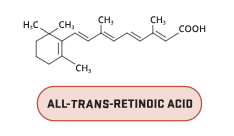
Retinol (vitamin A) itself doesn’t directly bind to retinoic acid receptors (RARs). Retinol needs to undergo conversion to retinoic acid (tretinoin) first. This conversion process happens inside cells by enzymes. Once converted, retinoic acid then binds to RARs. Tretinoin (see Figure below), also known as all-trans retinoic acid (ATRA), is well known for its antiaging effects on skin. However, skin irritation, photochemical instability, and concerns about toxicity have hindered the use of ATRA in cosmetic products and limited its availability as a carefully controlled prescription drug. Typically, milder retinoid derivatives are used in cosmetic products, which must first be metabolized to more active forms by several enzymatic steps in the skin, reducing their potency. Therefore, new molecules have been discovered that activate retinoic acid pathways directly without being enzymatically (for example, Retinol dehydrogenase), processed by the body, and without the negative side-effects.

Hydroxypinacolone retinoate (HPR; see Figure below) is a cosmetic grade ester of ATRA. Retinoate is the scientific term for an esterified form of retinoic acid. HPR is unique among non-retinoic acid retinoids because it processes innate retinoic acid activity, binding directly with retinoid receptors without the need for metabolic breakdown to more biologically active forms. It has been demonstrated to be more stable and cause less skin irritation than retinol.

Hydroxypinacolone retinoate (HPR) is part of a new generation of anti-aging ingredients in the retinoic acid family, which have unique properties. Unlike other derivatives, HPR can act directly without being converted to retinoic acid, a compound that can irritate the skin. HPR can be safely applied around the eyes with better skin penetration and higher stability. A study by Counts et al found that topical application of RP (similar to HPR) in rats for 14 days resulted in epidermal thickening and enhanced protein and collagen stimulation. In another comparative study, an increase in epidermal thickness was also observed in human skin.

The exact mechanisms by which topical tretinoin and other retinoids function are not completely understood, but current evidence suggests mediation through binding of retinoic acid receptors (RARs) alpha, beta, and gamma along with retinoid X receptors (RXRs) by blocking inflammatory mediators. Through this action, the production of procollagen increases to augment collagen type I and III formations.

Recent studies have found that HPR (Hydroxypinacolone retinoate) had greater levels of gene transcription than other cosmetic grade retinoids (Rol, Ral, and RP) at the same concentrations, and was less cytotoxic to cells at a 10 times higher concentration. HPR was nearly as effective as prescription ATRA when measuring increased gene transcription levels. Measures of procollagen concentration levels found that skin treated with HPR significantly increased procollagen production compared with untreated control skins, and was similar to ATRA. Qualitative assessment of collagen levels from histologic staining of skin corroborated those results, with the highest dose of HPR out-performing ATRA. IL-1α ELISA analysis (a means to measure the levels of this pro-inflammatory cytokine) showed that HPR did not induce more (or less) inflammatory response than either ATRA or the vehicle control. These data provide evidence that Hydroxypinacolone retinoate (HPR) is an effective alternative to ATRA and other less potent retinoids in the treatment of aging skin without the negative side-effects.

Clinical testing of our new HPR product has found it to be safe, non-irritating, and to be synergistic with our S2RM technology. Stay tuned for the release of our new product.

“Exciting Exosomes in Aesthetic Dermatology” – What Zoe Diana Draelos, M.D. Doesn’t Seem to Understand

In a piece published in the Dermatology Times, Zoe Draelos, M.D. misinforms the dermatological community about exosomes.

Exosomes are an exciting technology, and the complications of this technology are many. I’ve been publishing about exosomes for many years, and if you’d like to read a deep dive into exosomes, you can read my free Elsevier-published review chapter on exosomes that I wrote back in 2016. Named, “Exosomes: smart nanospheres for drug delivery naturally produced by stem cells,” the chapter is available free on Research Gate. You can also read my recent blog on exosomes, and in another blog read about some of the companies bringing sub-optimal exosomes to the market. As I described in my 2013 paper, “Stem Cell Therapy Without the Cells,” using a reductionist strategy where only some of the molecules are used, instead of all the molecules, is a suboptimal strategy. Using only exosomes is reductionistic and suboptimal. My blog, chapter, and papers, explains what Zoe Draelos doesn’t understand about exosomes. Use the secretome (all of which is released by the cell), not just the exosomes. A number of studies have found that exosomes don’t have the same efficacy as does the complete secretome (the natural secretome that contains both the exosome faction and the soluble fraction), including for actions such as immune modulation and regenerative capacity.

I’ll keep it simple here in this blog, and refer to one part of the article by Zoe Draelos. I’ll focus on the following paragraph from her article: “Exosomes for aesthetic use are derived from adult or mesenchymal stem cells. These cells can be harvested from umbilical cord mesenchymal stem cells or adipose-derived stem cells. The exosomes are isolated by differential centrifugation from culture media. The culture media is first centrifuged to remove higher mass contaminants. The centrifugation then occurs at higher and higher speeds until the exosomes aggregate as a pellet in the bottom of the centrifugation tube. These purified exosomes can then be placed into cosmetic formulations.”

While some companies do use damaging techniques to process exosomes, for example ultracentrifugation of the cellular culture media to isolate exosomes, and then lyophilization (freeze-drying) the exosomes to preserve them, some companies, such as my own, Neogenesis Inc, use fresh exosomes that haven’t been damaged by ultracentrifugation and lyophilization processes. Ultracentrifugation and lyophilization are used for the convenience of the companies, allowing the exosomes to be easily stored and easily shipped as a small dehydrated, frozen pellet. Scientists have been isolating exosomes for years. The process is challenging. To better understand exosomes, scientists need to isolate them, but they’re hard to isolate because other molecules, particularly proteins not in the exosome, co-isolate with the exosomes. And the processes used for isolation are damaging. For therapeutic purposes, isolation of exosomes is unwarranted – if you want an optimal product.

Isolation of exosomes is unwarranted for three major reasons: 1. as I discussed, the process damages exosomes rendering damaged proteins on the inside of the exosome as well as those tethered to the outside, and 2. the highly functional proteins and polysaccharides attached to the outside of the exosome can by stripped away – the exosome is denuded, and 3. cells release many beneficial molecules that are not contained in or on the exosomes. When cells release molecules, there is an exosomal fraction and a soluble fraction. The two fractions work together synergistically, and excluding one or the other yields a suboptimal product. In other words, using just the exosomes instead of the exosomes plus the soluble fraction (the molecules secreted by the cell but not contained in the exosomes) yields a suboptimal product.

Exosomal cargo is protected from enzymatic, pH, and heat degradation given its encapsulation within the lipid bilayer of exosomes. Exosomal proteins have been found to maintain their native conformation and functionality for long periods of time, where, for example, exosomal phosphoproteins were stable over a storage period of at least 5 years (Chen et al, 2017). Exosome contain heat shock proteins, for example, that repair proteins and may finish the folding of proteins within the exosome (Maguire, 2016).

Exosomes are complicated and we still have much to learn. But what we have learned is that fresh, unprocessed exosomes work best because they’re undamaged, and when the exosomal molecules are combined with the other molecules that are released by the cell but not contained in the exosomes, we have an optimized therapeutic. The unprocessed exosomal fraction in combination with the unprocessed soluble fraction works best.

Eczema: Natural Aryl Hydrocarbon Receptor Activation -Another Pathway Through Which Adipose Mesenchymal Stem Cell Secretome Reduces Inflammation

Activation of the aryl hydrocarbon receptor (AhR) through its natural ligands, has been found to reduce skin inflammation, reduce oxidative stress, and upregulate skin barrier protein expression. AhR also inhibits the generation, persistence, and cytokine production of resident memory T cells in the skin. Stem cell released molecules (secretome) from adipose mesenchymal stem cells includes kynurenine, which is an AhR agonist.

The molecules released (secretome) from adipose mesenchymal stem cells (ADSCs) are diverse (Maguire, 2013) and and have many immunotherapeutic actions. Recent studies provide evidence that one mechanism by which the secretome of ADSCs act is through their agonist activities at Aryl hydrocarbon receptors (AhR). Such AhR agonist activity is highly therapeutic to eczema (Eichenfield et al, 2023).

The aryl hydrocarbon receptor (AhR) is expressed in various tissues characterized by a rapid growth rate, including human skin. Kynurenic acid, a product of tryptophan metabolism enzymatically formed from kynurenine, is a natural ligand for AhR. However, AhR is a promiscuous receptor, binding many unnatural ligands such as environmental toxins. This is important, because if the AhR is activated by unnatural ligands, such as air pollution (PM2.5 for example), ill effects can result. The soluble factors (kynurenine and downstream metabolites) generated by IDO (Indoleamine 2,3-dioxygenase) can bind and activate the aryl hydrocarbon receptor to promote Treg cell differentiation and the induction of dendritic cells expressing an immunosuppressive phenotype. Further, in a dose-dependent response, kynurenine upregulates the expression of immunosuppressive genes, such as TGFB1 and IDO1.

Mechanistically, ADSCs release kynurenine, which is a tryptophan metabolite catalyzed by IDO, to activate the aryl hydrocarbon receptor and enhance its downstream target NFE2L2 in macrophages. NFE2L2-encoded NRF2 not only functions as a master regulator of antioxidant defense but also represses the expression of inflammatory genes. As expected, NRF2 upregulation in macrophages was inhibited by inhibiting IDO and 1-methyltryptophan (1-MT), and the anti-inflammatory effect of ADSCs on macrophages was blocked when NRF2 expression in macrophages was silenced. Kynurenic acid, another IDO-derived metabolite that shares the same aryl hydrocarbon receptor as kynurenine, can promote TNF-α-stimulated gene-6 (TSG-6) expression, which is also released from ADSCs, and alleviate neutrophil infiltration of tissues (Wang et al, 2018).

In summary, the secretome from ADSCs contains a number of molecules (IDO, kynurenine, kynurenic acid) that naturally activate aryl hydrocarbon receptors to reduce inflammation in the skin, and provide long term therapeutic benefit to skin diseases such as Eczema and Psoriasis.

Air Pollution and Eczema on the Rise

Air pollution is wreaking havoc on your skin. Simple steps to mitigate the problems associated with pollution include gentle cleansing, topical products to reduce oxidative stress and to restore barrier function.

Whether it’s jet fuel, leaded fuel for non-jet aircraft, auto exhaust, forest fires, wars such as Iraq, Gaza, and the Ukraine, or industrial fumes as causative factors, “the estimated lifetime prevalence of atopic dermatitis has increased 2~3 fold during over the past 30 years, especially in urban areas in industrialized countries, emphasizing the importance of life-style and environment in the pathogenesis of atopic diseases” (Kim, 2015). “Atopic dermatitis (AD) has increased in prevalence to become the most common inflammatory skin condition globally, and geographic variation and migration studies suggest an important role for environmental triggers” (Fadadu et al, 2023).

Air pollution can make people more sensitive to other allergens by eliciting an immune system hyper-response. This can degrade the skin’s barrier function, and now that immune system hyper-alert signaling is more exposed to the outside world and even more sensitive. Essentially, air pollution is opening up the skin by degrading it’s barrier, and making that contact between the skin’s immune system and the environment more robust. Air pollution is a catalyst in a chemical reaction, as scientists at the Max Planck Institute have written, “Fine particulate matter catalyzes oxidative stress.” The key, air pollution is causing oxidative stress in the skin, leading to chronic inflammation, a root cause in many inflammatory skin conditions, including eczema.

The illustration shows the health effects of atmospheric air pollution. The model simulations of Thomas Berkemeier and his team suggest that PM2.5 acts by conversion of a reservoir of reactive oxygen species (such as peroxides) into highly reactive OH radicals. these reactions take place in the epithelial tissue fluid, which is a thin aqueous film in the lungs and skin in which air pollutants dissolve or deposit.

For day-to-day protection from modern man’s air and water pollution and climate change (think increased fires), use air filters for the home and use mineral sunscreens with zinc or titanium, which create a physical barrier that makes it more difficult for airborne pollutants to come into direct contact with the skin. It’s also important to have a good cleansing regime. Wash the pollutants off at night with a gentle cleanser, use a product that reduces the oxidative stress, and then put on a fragrance-free hypoallergenic moisturizer containing free fatty acids, ceramide, and cholesterol that will help the skin barrier heal overnight.

Skin Care Misinformation and Hype – Penn Smith Misinforms About Exosomes in ReVive

I was made aware of a YouTube video that compared a product I developed at NeoGenesis to a product manufactured for ReVive. Always looking forward to learning new things, I had a look at the video. Penn Smith is not a name I recognized, so I looked her up.

The first thing I learned is that she works for Jeff Bezos at Amazon, selling products for the skin.

Notice I didn’t say “skincare products.” I said products for the skin. Why? Look at the first product I saw her selling:

She’s selling a product with Diazolidinyl urea, which is an antimicrobial preservative that works by forming formaldehyde in cosmetic products. People exposed to such formaldehyde-releasing ingredients may develop a number of problems, including contact dermatitis, allergy and cancer. PEG is a poor choice too – causing contact dermatitis. Daily cleansing with such a product is really a very poor choice.

And here is Penn smith selling a product for Amazon that she says “I haven’t tried it.”

Salespeople who are informed and educate us, and make thoughtful recommendations are very important. That’s not what she’s doing – first she’s selling something detrimental to our health, and in the second instance she’s selling something of which she knows nothing. I could go on, but let’s look now at the product she is comparing to Recovery by NeoGenesis, the technology (S2RM) and product that I developed. BTW, I’m a scientist and have many peer reviewed, PubMed listed science articles supporting what I’m saying (some of my articles are here, and my scientifically reviewed book is here).

Here’s the Recovery product that I developed with the S2RM technology that I started developing while a professor at the University of California, San Diego. It has been a long journey coming to the point where I could develop this technology, and many people along my journey have taught me so much – I pay tribute to all those who helped me, including our team at NeoGenesis.

Let’s now look at the product Penn Smith is selling – ReVive Ultimate Serum.

I looked at the ingredients of this product and was taken aback by how poor, whomever formulated it, the formulator performed. Why would a company cheapen its products. So I had a look at the company. ReVive Skincare is owned by a private equity group called Tengram Capital Partners, a PE firm led by Willam Sweedler, a group with financial troubles. They have a huge amount of debt and are therefore selling-off portfolio companies and cutting costs at the companies they still own. The ReVive Ultimate Serum formulation is one means by which they are cutting cost. If you’d like to learn how private equity is stripping the quality of companies and their products, two good books provide some of the details, including one by Gretchen Morgenson.

Now to the product. Penn Smith calls Ultimate Serum, “A dupe for TNS.” Yes, she calls it a “dupe.” Of course the definition of “dupe” is to trick or deceive. So apparently Penn Smith has been hired by a private equity group to sell a “dupe.”

Looking at the ingredients in ReVive Ultimate Serum, I can tell you why this product is not as good as SkinMedica TNS or NeoGenesis Recovery.

Poor choice of ingredients in this product include:

1.Tetradecyl Aminobutyroylvalylaminobutyric Urea Trifluoroacetate – EWG = 10 (https://www.ewg.org/skindeep/ingredients/862173-TETRADECYL_AMINOBUTYROYLVALYLAMINOBUTYRIC_UREA_TRIFLUOROACETATE/)

Common concerns (from EWG)

See how this product scores for common concerns.

  • MODERATE – Cancer
  • HIGH – Allergies & Immunotoxicity
  • HIGH – Developmental and Reproductive Toxicity
  • HIGH – Use Restrictions

2. Bone Marrow Mesenchymal Stem Cell exosomes (BMSCe) are a poor choice, including because of oncogenic potential of their exosomes – see the following paper, section “Safety and efficacy considerations: ADSCs preferred Over BMSCs” – (https://www.ncbi.nlm.nih.gov/pmc/articles/PMC8437473/),

3. Isolated exosomes have been lyophilized (freeze drying procedure) that renders suboptimal exosomes with damaged proteins in the core, and denuded (stripped away) proteins and polysaccharides on its surface (https://drgregmaguireskincare.blog/2023/06/18/why-neogenesis-doesnt-lyophyilize-freeze-dry-our-secretome-exosome-s2rm-fresh-is-better/). It’s a cheap way to have exosomes in your product, and private equity likes cheap. They don’t work well though.

4. Many of the active molecules in conditioned media from stem cells are in the soluble fraction, not in the exosomes. Using the soluble fraction in combination with exosomes is optimal – it’s more expensive to do it this way, but much more efficacious (see, for example, https://www.sciencedirect.com/science/article/pii/S1529943022000353#bib0035). The soluble fraction contains many molecule types, including small heat shock proteins (sHSP) that repair other proteins and fatty acids that inhibit COX-2, reducing pain and inflammation.

5. Polysorbate 20 – skin irritant, there are better choices for emulsification

6. Butylene glycol – again, a skin irritant, better choice are available

7. Pentylene glycol– another irritant

If you add a number of skin irritants to the formula, and have people use it daily, it’s obviously a sub-optimal product. And comparing cheap freeze dried exosomes from bone marrow stem cells to the molecules used in SkinMedica TNS (from fibroblasts) and NeoGenesis (from fibroblasts and skin derived mesenchymal stem cells) that haven’t been damaged and aren’t derived from dangerous bone marrow cells shows her ignorance and/or duplicity.

It cost more to use fresh exosomes that haven’t been damaged by freeze drying, something private equity doesn’t like to pay for, but companies using this technology have much better technology and more effective products.

Molecules Released from Human Adipose Derived Mesenchymal Stem Cells and Fibroblasts Promote Epidermal Barrier Repair

The S2RM technology that I developed is based on the molecules released from skin derived adipose mesenchymal stem cells (hASCs) and fibroblasts (HNDF). This combination of many molecules has many benefits to the skin. In this blog, I focus on the benefits of these molecules in helping to repair epidermal barrier function.

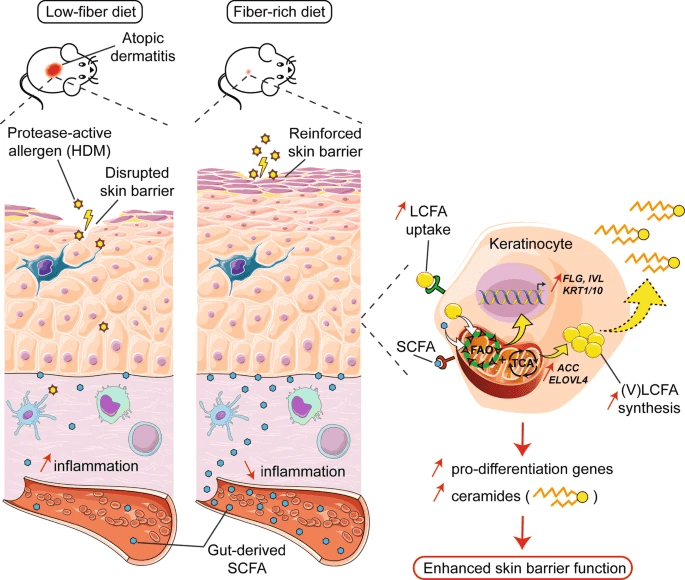
A number of diseases and conditions of the skin involve epidermal barrier dysfunction. For example, eczema is a multifactorial, heterogeneous disease associated with epidermal barrier disruption and intense systemic inflammation of the skin. Our previous work has found that S2RM attenuates the symptoms of eczema, including atopic dermatitis (AD). Studies of the mechanisms of action of the molecules present in S2RM suggest that these molecules effectively restore epidermal barrier functions in AD by facilitating the synthesis of ceramides, and creating a thicker epidermis.

hASCs as well as human dermal fibroblasts (HNDF) have a positive impact on keratinocytes proliferation, stemness maintenance, and adhesiveness to membranes via paracrine involvement when co-cultured using the collagen. This means the keratinocytes, largely responsible for building the epidermal barrier, are maintained in a younger and healthier state by the stem cells (hASCs and HNDF) that are releasing molecules into the epidermis from their location in the dermis.

These functions, along with the many other functions of the hASCs and HNDF including modulating immune function into an anti-inflammatory, pro-repair state, important to all epithelial tissues, are critical to good skin health.

Hair, Skin, and Nails Supplements Loaded with “Collagen,” Biotin, Vitamins – Wasting Money and Diminishing Your Health 

 Hair, skin, and nails (HSN) supplements are increasingly purchased despite limited evidence they work and evidence they are harmful, and suffer from lack of regulatory oversight. Stop substituting expensive, harmful supplements for a healthy whole plant-forward diet. And remember, collagen supplements don’t contain collagen, they contain amino acids and peptides (protein fragments).

Supplements marketed for skin, hair, and nail benefits, often called “dermatology” or “beauty” supplements, are increasingly being sold by unscrupulous and/or ignorant salespeople , with the global beauty supplement market expected to reach $7 billion by 2024 (Sanchez et al, 2020). So much money can be made selling these unregulated products that practicing physicians are stepping into this industry in large numbers. It’s a booming business where a supplement manufacturer makes a supplement, then recruits a physician to sell it – and then the marketing claim is made that the supplement is “doctor formulated.” It’s called a physician “side-gig” Despite the narrative that physicians are overworked, at least 40% of them have a side-gig in addition to their physician practice. What better way to make money than to stick your name on a bottle of supplements. Just ask Dr. Oz.

No U.S. Food and Drug Administration (FDA) approval or registration is required to produce and market a dietary supplement. There is no need for manufacturers to provide proof of safety or efficacy to sell these products. Since no approval is required, like other foods, there is no centralized database of currently available dietary supplements. While it’s hard to immediately harm yourself when eating natural foods, there is no restriction on concentrated doses of vitamins, minerals, and other ingredients that may be eaten, even for nutrients with defined tolerable upper limits (ULs). For example, high levels of vitamin B12 may cause lung cancer (Fanidi et al, 2019), and high levels of Vitamin B1 have been correlated with breast cancer (Tan et al, 2023). Many of these supplements contain iron, and common adverse effects of iron overdose are constipation, gastrointestinal upset, reduced zinc uptake, and iron overload in acquired hemochromatosis (iron can build in the skin and darken and damage it). Zinc toxicity is another problem with many attendant problems including poor cholesterol regulation. I could go on, but you get the idea.

There’s another problem too, of which many, consumers, physicians, and manufacturers alike, are unaware. Biotin (vitamin B7) is widely used in “nail” and “hair” supplements that the FDA has warned may cause interactions between biotin and certain laboratory tests, including those that test for cardiac function and thyroid function. There are numerous reports of biotin interference with laboratory testing, specifically with thyroid function tests. Most commonly, biotin use can result in falsely high levels of T4 and T3, and falsely low levels of TSH, leading to either a wrong diagnosis of hyperthyroidism or that the thyroid hormone dose is too high. Not interfering with such testing is important because thyroid hormone (T3 and T4) affects every cell and all the organs in your body.  

Considering collagen, it can be extracted from fish, pig and cattle skin, but wildly popular is the “bovine” variety. Interesting, Type II collagen from animals is used to induce inflammation and arthritis in animal studies – too much collagen is not good – think scleroderma. In this bovine collagen craze lies a veiled industry driving the destruction of tropical forests and fueling violence and human rights abuses in the Brazilian Amazon. When found out, according to the Bureau of Investigative Journalism, Vital Proteins, a major supplier of bovine “collagen,” said it would “end sourcing from the Amazon region effective immediately.” ​I ponder. Remember, it’s not collagen, rather the processed, hydrolyzed components of collagen, mainly some amino acids and peptides, is what the product really is. And those peptides will be broken down to amino acids in the gut, including by the gut’s enterocytes. As for fish “collagen,” many reports of reactions, including anaphylaxis, have been reported. Bovine “collagen” too.

Jennifer Aniston is the chief creative officer of Vital Proteins, a leading collagen brand owned by Nestlé that has been deforesting the Amazon.

For those who would like to know, otherwise you can skip this paragraph, here’s how hydrolyzed collagen is made according to Lopez et al (2019).. Denaturation of native collagen produces three α chains in their random coiled form. It can be observed by thermal treatment of collagen above 40 °C. Once the chains are separated, the hydrolysis is carried out by the action of proteolytic enzymes (alcalase, papain, pepsin, and others). The resulting product is commonly called hydrolyzed collagen (HC). It is composed of small peptides with low molecular weight 3–6 KDa. Its solubility and functional activity (antioxidant, antimicrobial) are related to the type and degree of hydrolysis as well as the type of enzyme used in the process. Another type of hydrolysis is by use of chemical products in acidic (acetic acid, hydrochloric acid, and phosphoric acid) or alkaline media. These two types of extraction are strongly corrosive and produce a high salt concentration in the final product after neutralization. Alternative methods of extraction consist in thermal treatment or applying high temperature and pressure to the protein. It includes subcritical water level (SCW) that exists at a temperature between 100 and 374 °C and a pressure of less than 22 MPa. More environmentally unfriendly steps in the production of “collagen” supplements.

You may have heard about a published, systematic review of clinical trials on oral collagen supplements. Like many studies of this type, the study claims their results support that ingesting hydrolyzed collagen can reduce skin wrinkles and improve elasticity and skin hydration. If you’ve read my papers, you know to ask an important question, “compared to what?”

This study was of taking oral hydrolyzed collagen and comparing it to doing nothing. Eat a lousy diet, take a supplement, and see some benefit. That’s what the study found. In other words, taking a supplement was compared to eating a lousy diet. Try this instead. 1. Eat a healthy diet versus a lousy diet and see what happens, and 2. compare that to the take a supplement with a lousy diet versus eat a lousy diet. Which one is better? Probably number one. Because taking a supplement only provides part of what a good diet provides.

Eat vegetables to provide all the nutrient your body needs to grow healthy hair.

Eating a combination of plant foods that can help with this include:

Formaldehyde Releasing Ingredients in Cosmetics: Changing Our Epigenetics

Formaldehyde-releasing ingredients in cosmetics can change our epigenetics and increase our chances of cancer

In personal care products, formaldehyde can be added directly, but most often, it can be released from preservatives such as quaternium-15, DMDM hydantoin, imidazolidinyl urea, diazolidinyl urea, polyoxymethylene urea, sodium hydroxymethylglycinate, bromopol and glyoxal. Why are these ingredients so bad? For a number of reasons, including that they’re cancer causing.

Here I’ll discuss how these ingredients can cause cancer. Let’s think about epigenetics. Epigenetics involves chemical processes (including proteins produced by our bodies) that regulate gene activity, not by changing the DNA structure, rather by regulating the expression of mRNA from our genes. This enables our cells, tissues, and organs to adapt to environmental changes. However, this plastic and adaptive benefit has a downside because epigenetic regulation is more susceptible to disruption by toxins than the relatively stable genetic sequence of DNA.

A new study led Prof. Dr. christopher Chang, Ph.D. at UC Berkeley, demonstrates that formaldehyde, commonly present in various household and cosmetic products, in polluted air, and widely used in building materials such as particleboard, plywood, and other pressed-wood products is a powerful modifier of normal epigenetic patterns. Formaldehyde has been associated with an increased risk of developing cancer, such as nasopharyngeal tumors and leukemia.

Mechanistically, Dr. Chang’s study discovered that formaldehyde is an inhibitor of the MAT1A protein, the main producer of S-Adenosyl-L-Methionine (SAM), which is the universal donor of the chemical group “methyl” that regulates epigenetic activity. Specifically, the scientists found that exposure to formaldehyde induced a reduction in SAM content and caused the loss of methylation of histone proteins, that package our DNA and control the function of thousands of genes.

In summary, these scientists have discovered that formaldehyde has the capacity to modify the epigenetic properties of our cells, contributing to the well-documented carcinogenic properties of formaldehyde. Check the ingredient label of your personal care products to be sure they don’t contain these formaldehyde-releasing ingredients. BTW, people often confuse “urea” for “imidazolidinyl urea, diazolidinyl urea, or polyoxymethylene urea,” all of which can release formaldehyde because they are reaction products of urea and formaldehyde. Products labeled with “Urea” are not formaldehyde-releasing because the “urea” has not been reacted with formaldehyde. “Urea” is naturally occurring in the skin and other areas of the body, and is a natural moisturizing factor (NMF) that is essential for the adequate hydration and integrity of the stratum corneum.

Skin Longevity: Mesenchymal Stem Cell Released Molecules Contain SIRT1 and Other Molecules Upregulating SIRT1 Expression

The molecules released by adipose mesenchymal stem cells (ADSC) are known to bring skin cells out of senescence, and the mechanism of action is twofold: 1. the molecules released from ADSC contain SIRT1, and 2. the molecules released from ADSC increase SIRT1 expression in target cells. These are two of the many mechanisms of action underlying the ability of NeoGenesisS2RM technology to rapidly and sustainably reverse and prevent the signs and symptoms of skin aging.

Longevity is a hot topic in the popular press, and the topic has now hit skincare. This is part of the “scientification” of skincare in the popular press that has arisen over the last few years. The trend has an upside and a downside. Learning about ingredients and how they work in the skin is important. The better informed we are, the better we can take care of our skin. The downside, is that non-scientists, including many practicing dermatologist, who have neither been trained as scientists, nor trained to analyze scientific studies, often proffer erroneous information about skin care in the popular press. For example, in my 2020 publication, in the section called “Example of Misinformation in Skin Care Marketing.” I describe how a practicing dermatologist in Miami makes many mistakes in describing skin care ingredients in her various popular press articles, including articles in a large newspaper.

Also, reading a Bloomberg article on what dermatologist think about anti-aging skin care products, I was once again shown an example of how misinformed are some practicing dermatologist. One dermatologist was saying not to use products that contain antimicrobial preservatives, but when looking at the products she has for sale on her website, guess what – many of the products she sells online contain an antimicrobial preservative. Looking at her blog, she talks a lot about using sunscreen – an important topic. But she misinforms the reader by saying that mineral sunscreens reflect light and UV. That’s incorrect because mineral sunscreens predominantly absorb the UV, not reflect it. I didn’t read anymore because I dislike misinformation – I’ll stick to reading informed articles from professors of dermatology, including scientists and physicians, who inform us based on scientific and clinical evidence.

Let’s look at what’s being said about longevity of the skin in the popular media, and have a brief look at some of the science in the scientific literature (PubMed, peer-reviewed journal articles).

Longevity in Skincare

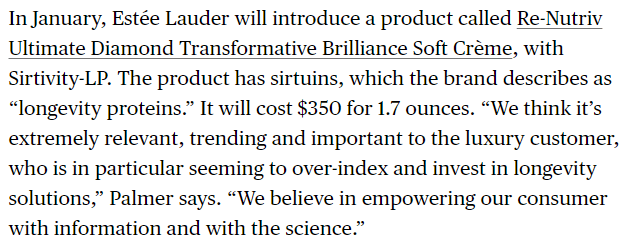
As Jeannette Neumann in Bloomberg states:

In the same article, Neumann goes on to tell us that:

Key to the new product ate sirtuins. So what are sirtuins and what do they do? Sirtuins are a family of signaling proteins involved in metabolic regulation. They are ancient proteins in animal evolution and appear to possess a highly conserved molecular structure throughout all kingdoms of life. They are everywhere in lifeforms. And guess what the scientific evidence suggests: NeoGenesis not only has SIRT1 activators in our S2RM technology, but we also have the SIRT1 protein itself. We’ve had S2RM on the market for over 13 years as a topical product. It’s one of the reasons our products work so well.

Here’s a little more on sirtuins and how they’re activated. SIRT1 is a cellular defense protein that ensures survival by controlling metabolism when there is not enough energy supply to cells. SIRT1 is an important molecule in the control of redox states, apoptosis, and a number of life-extending mechanisms. By changing SIRT1 expression, a number of substances and factors can control the level of SIRT1 protein. Naturally occurring molecules that increase SIRT1 expression include, resveratrol, quercetin, fisetin, curcumin, and berberine. SIRT1 protein expression declines as a we age, and SIRT1 expression decreases with age in mice. SIRT1 has been referred to as a longevity-associated protein that could be used as a potential therapeutic target for extending human healthspan, and it is currently under investigation in the battle against cognitive decline, neurodegenerative diseases, and aging. SIRT1 has been reported to negatively regulate the expression of a number of inflammatory senescence-associated secretory phenotype (SASP) factors, including the SASP factor. SIRT1 produces neuronal protection in neurodegenerative disorders and memory impairment, and is crucial for synaptic plasticity and memory retention in neurons. Numerous studies have shown that p53 and p21 have a role in the control of the cell cycle, DNA repair, apoptosis, and other critical biological processes. Cell cycle arrest results from the activation of p53 and p21, which are responsible for replicative and stress-related senescence in cells. SIRT1 acts on p53 by deacetylating it, which negatively regulates p53’s transcriptional activity, essentially suppressing its function as a tumor suppressor and inhibiting apoptosis induced by stress or DNA damage. In other words, SIRT1 “dampens down” the activity of p53 by removing acetyl groups from it. 

Senescent cells release a range of inflammatory proteins, such as SASP, which causes low-grade chronic inflammation and accelerates senescence. Loss of the key anti-aging molecule SIRT1 may be important for accelerating aging. Zhang et al (2023) found that aged mice displayed upregulation of senescence-related signals such p53 and p21 and downregulation of SIRT1 in the hippocampus. These abnormalities were reversed by the molecules released from mesenchymal stem cells (MSCs).

In our skin, fibroblasts are long-lived cells that are subject to much damage over the years. They can become senescent and pro-inflammatory. Studies have found that SIRT1 can protect human fibroblasts from senescence by promoting telomerase reverse transcriptase transcription (Yamashita et al, 2012). Further, Yuan et al (2012) found that SIRT1 improved the senescence of young MSCs during in vitro subculturing. In other words, SIRT1 protects young cells from stressors, such as oxidative stress, and keeps them healthy and from becoming pro-inflammatory senescent cell types.

As you can see from these studies, it’s not just about anti-aging, it’s about promoting longevity in the first place. We do both at NeoGenesis with our S2RM technology.

Atopic Dermatitis, Bugs, and Itching

The skin barrier in the epidermis is constantly exposed to microbes and their products. The role of microbes in itch generation was previously unstudied. Deng et al (2023) find that Staphylococcus aureus, a bacterial pathogen associated with itchy skin diseases, directly activates pruriceptor sensory neurons to drive itch.

When the scientists injected MRSA, a type of S. aureus, under the skin of mice, as expected, the mice itched so much that they damaged their skin. But the authors claim to have measured no inflammation associated with the injection. This provides evidence that inflammation is not required for itch to occur.

Instead, research has found that when S. aureus invades the skin, it releases 10 different enzymes, or proteases. One of them, called V8, binds to a protein on nerve cells called proteinase-activated receptor 1, or PAR1. Activation of PAR1 likely starts a chain reaction from the skin neurons, to the spinal cord, and to the brain, which then triggers the urge to itch. In the mouse model used by Deng et al, the itching stopped when researchers used Vorapaxar, a drug that blocks the PAR1 receptor. This may not be the only mechanism by which itching occurs, but this is an important new discovery and gives us much insight into the some of the mechanisms underlying pruritis.

From Deng et al (2023)

As Ogonowska et al (2023) have described, Staphylococcus aureus massively colonizes the skin of patients with atopic dermatitis (AD), and the frequency of detection of multidrug-resistant S. aureus (MRSA) in AD patients is higher than the healthy population, which makes treatment much more difficult. 

There’s hope though, and that hope involves using simple, topically applied symbiotic bacteria that are safe and natural to the skin. One set of bacteria are the nitrifying bacteria (Nitrosomonas, Nitrospira, and Nitrobacter), used in NeoGenesis MB-1. The MB-1 product has been on the market since 2015 and is multifunctional – benefiting a number of skin conditions, including acne. As one mechanism of action, Maguire and McGee (2023) hypothesize the MB-1 acts to destroy pro-inflammatory bacteriophage (viruses) associated with acne through a natural CRISPR mechanism in the probiotic bacteria.

These type of nitrifying bacteria in MB-1 have also been found to reduce pruritis and inflammation in humans with atopic dermatitis. Additionally, NeoGenesis is currently testing our second probiotic product that incorporates Bacillus subtilis and Lactobacilli. The bacterium B. subtilis has been found to reduce the S. aureus when topically applied, and Lactobacilli have been found to do the same while reducing the symptoms of AD.

NeoGenesis will have two probiotic products that will be used together in a topical application to renormalize the skin’s microbiome in AD, reduce pruritis, and restore barrier function. Stay tuned.